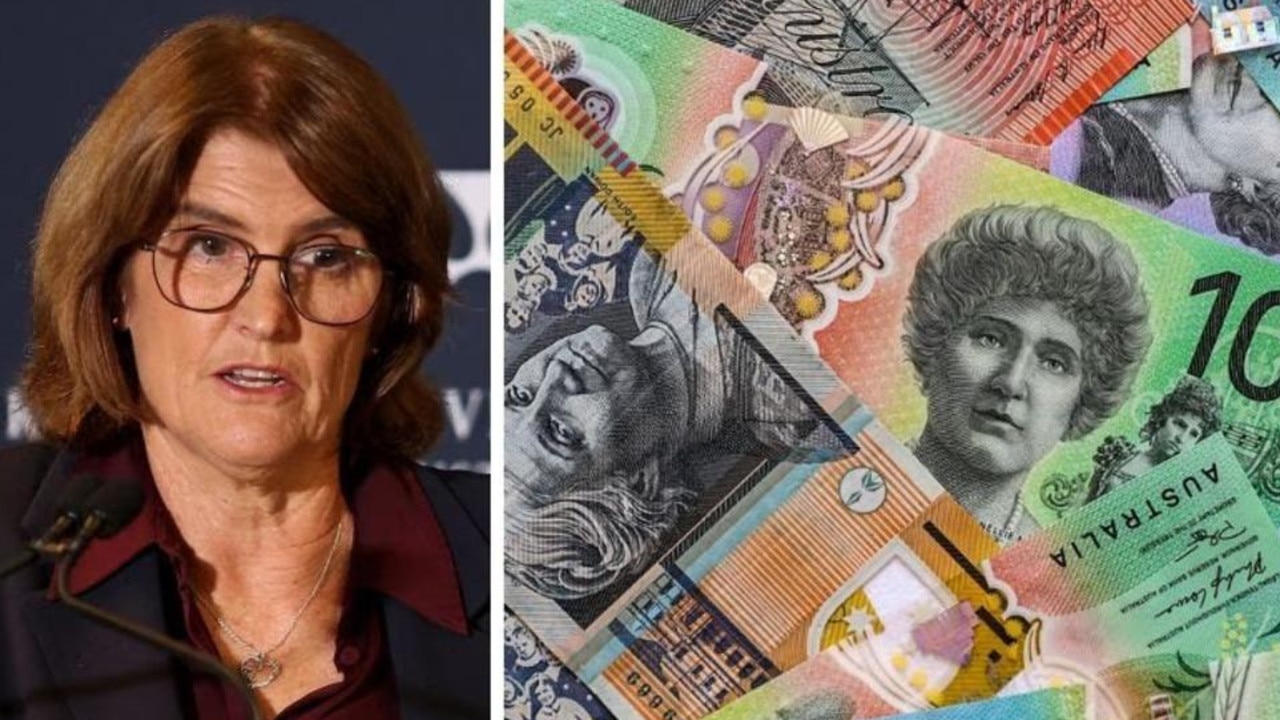
Australia’s battle against persistent inflation has hit a small but welcome milestone, with new official data showing headline consumer price growth cooled slightly in June – but top economic analysts warn ordinary households will not feel tangible relief from cost-of-living strains for a full year, and interest rate hikes remain on the table for the country’s central bank.
New figures published by the Australian Bureau of Statistics on Wednesday put annual headline inflation at 3.8% through the end of June, a modest drop from the 4.0% recorded in May and the 4.2% reading from April. The lower-than-expected result has given some tentative hope to mortgage holders, with economists noting there is no clear trigger in the data to force the Reserve Bank of Australia (RBA) to lift interest rates at its upcoming August policy meeting.
National Australia Bank (NAB) chief economist Sally Auld framed the latest inflation update as a small win in what remains a difficult fight to bring price growth back to the RBA’s 2-3% target range. “Whether you look at monthly, quarterly or annual readings, or core versus headline metrics, most measures came in a touch softer than anticipated,” Auld told NewsWire in an interview. “There’s no smoking gun in this data for the RBA to act in August, but we’re certainly not out of the woods yet.”
Auld pointed to growing global headwinds that continue to threaten Australia’s inflation outlook, specifically the recent escalation of tensions in the Middle East that has already driven up global fuel prices. Those price gains will keep upward pressure on the RBA’s inflation forecasts, she said, making it far too early for the central bank to declare victory over persistent price growth. Even with the June improvement, Auld noted the RBA will remain firmly cautious, and any talk of cutting interest rates remains distant. “It’s a long way away from declaring victory on the inflation challenge or opening up the possibility of lower rates,” she added.
Federal Treasurer Jim Chalmers echoed that cautious optimism, describing the lower inflation reading as “encouraging” while stressing the government still has more work to do to tame price pressures. “We don’t get too carried away by one set of data, one set of numbers from day to day or from week to week,” Chalmers said. “But obviously it’s a positive development that these numbers have come in lower than expected by the market, by the Treasury and by the Reserve Bank.” He also confirmed that ongoing geopolitical tensions between the United States and Iran will continue to put upward pressure on domestic inflation and the broader Australian economy.
While headline inflation showed clear improvement, economists remain divided over the RBA’s preferred inflation metric: the trimmed mean rate, which excludes the most volatile 15% of price changes on both the upper and lower end to filter out temporary swings like sharp petrol price shifts. That core measure held steady at 3.6% in June, unchanged from previous readings and still well above the central bank’s target.
KPMG chief economist Brendan Rynne argued that the sticky core inflation reading keeps another interest rate hike on the table for August, saying the RBA is stuck between competing priorities. “The economy is not in great shape and uncertainty driven by global and domestic factors is elevated, yet it seems inevitable that further rate rises may be necessary to bring inflation back inside the RBA’s target range within a reasonable time frame,” Rynne explained, noting the current 4.1% cash rate is still likely not high enough to bring price growth under control quickly.
Even with the modest drop in headline inflation, cost-of-living pressures remain the top burden for most Australian households, and that strain is unlikely to ease meaningfully until mid-2025, Auld said. “Generally speaking the cost-of-living issue is still a dominant one for many bank customers and I don’t think that has changed materially in the last little while,” she said. “That is probably going to linger as we move into next year, and it probably won’t be until this time next year until households get some relief on that.”
The pressure has also spread to business customers, who have so far absorbed higher input costs by accepting lower profit margins rather than passing all price increases onto consumers, Auld added. Over the next six to 12 months, the Australian economy can expect slower growth, a continued correction in the overheated housing market, and a modest drift higher in the national unemployment rate, she predicted.
Still, there is a small silver lining on the horizon: if the economy weathers that period of slower growth, the RBA should be able to confirm inflation is under control and begin to normalize interest rates with modest cuts by this time next year, Auld said. “This is the nature of inflation challenges, they are not costless in the sense that we have to go through a period of below trend growth in order to get inflation back under control,” she noted.