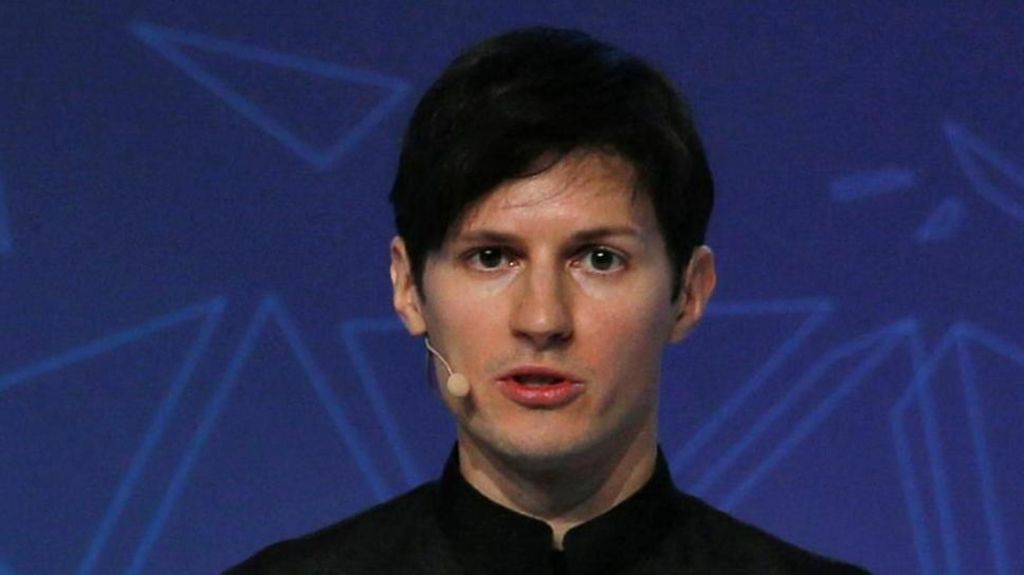
In a sharp escalation of tensions between Russian authorities and the globally popular encrypted messaging platform Telegram, Moscow has brought formal terrorism facilitation charges against founder Pavel Durov, alleging the service has been exploited by Ukrainian intelligence for militant recruitment.
Russia’s primary domestic security agency, the Federal Security Service (FSB), announced the accusations this week, claiming Telegram has been systematically used to plan, organize and carry out sabotage and terrorist operations across Russian territory. According to the FSB’s official statement, platform administrators have repeatedly refused to take down channels, group chats and automated bots that Ukrainian secret services operate to coordinate these activities.
An international arrest warrant has now been issued for Durov, a Russian-born entrepreneur who has lived in self-imposed exile outside Russia for a decade. The 41-year-old billionaire, who holds citizenship in France and the United Arab Emirates, has not yet issued a direct public response to the new charges. Minutes after the Russian announcement, however, Telegram’s official account on the social platform X shared a viral image of Durov displaying an offensive middle finger, a clear rebuke to Moscow’s actions. Durov has long maintained that Russian authorities regularly fabricate justifications to crack down on his platform, framing these efforts as attempts to erode digital freedom for Russian citizens.
Telegram has amassed a massive user base in Russia, with tens of millions of daily active users on the platform. It also boasts widespread popularity in neighboring Ukraine, making it a critical communications tool on both sides of the ongoing conflict. For years, Russian regulators have steadily restricted access to Telegram as part of a broader government crackdown on unregulated online speech and digital independence, tightening controls following the full-scale invasion of Ukraine in 2022.
Durov’s break with Moscow dates back to 2014, when he refused to comply with Kremlin demands to shut down opposition-aligned communities on VKontakte, the successful Russian social network he founded earlier that was widely nicknamed “Russia’s Facebook.” After the standoff, he surrendered his stake in the company and left Russia permanently, never to return.
Today, Telegram counts roughly 950 million monthly active users across the globe, building its brand around a core commitment to user privacy that sets it apart from many other large tech and social media companies. This positioning has earned it a loyal user base, but it has also drawn consistent criticism from global regulators who argue the platform’s lax content moderation policies allow illegal activity to proliferate. Durov and Telegram have repeatedly pushed back against these claims, defending their approach to moderation as balanced and rights-respecting.
The new charges from Russia are not the first legal trouble Durov has faced in recent years. In 2024, French authorities arrested Durov and opened a formal investigation into allegations that he failed to implement adequate content moderation systems to prevent the spread of criminal activity on Telegram. He was released to return to his residence after several months in custody, but the investigation remains ongoing.
As of this report, it remains uncertain whether any other countries will honor Russia’s international arrest warrant for Durov, given deep geopolitical divides between Moscow and much of the Western and Gulf diplomatic blocs.