As the 26th International AIDS Conference opens in Rio de Janeiro, global public health leaders are sounding an urgent alarm: decades of progress in the fight against HIV are now at serious risk, driven by a dramatic, unprecedented collapse in international donor funding that began after the Trump administration returned to power in the U.S. and was followed by sweeping cuts from major European nations.
Beatrice Grinsztejn, president of the International AIDS Society, opened the gathering by highlighting the severity of the crisis, noting that donor funding has never contracted as far or as quickly as it did in 2025, with the world’s most vulnerable communities already bearing the cost of these cuts. “This conference comes at a moment of real danger for the global battle against HIV,” Grinsztejn said.
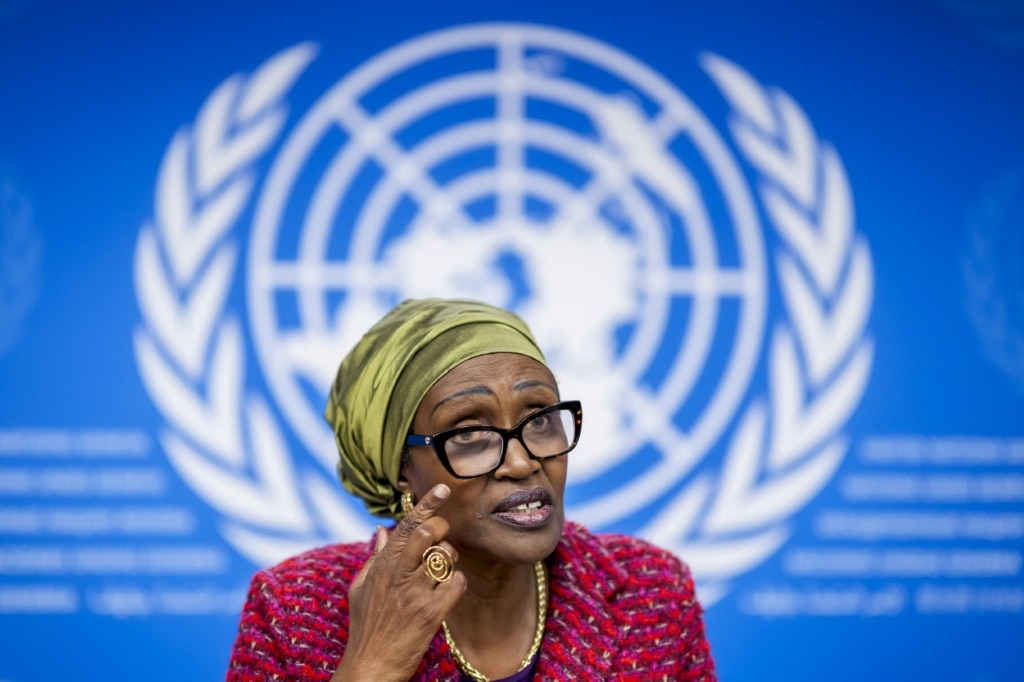
The paradox at the heart of the current crisis is hard to overstate: scientific advances have never been more promising, turning what was once a universally fatal diagnosis into a manageable chronic condition for millions of people around the world. UNAIDS chief Winnie Byanyima emphasized that ending AIDS as a public health threat is no longer held back by a lack of scientific progress — researchers have already delivered the tools needed to turn the tide. Instead, the barrier is political failure and deep systemic inequality.
“We are living through one of the most exciting moments in the history of HIV science,” Byanyima explained, pointing to new prevention medications that offer effectiveness on par with many vaccines. But even with these game-changing tools available, millions of people at risk still cannot access them. “When prevention disappears, infections rise. When treatment is interrupted, people die. We know exactly how this story ends if we fail to act now,” she warned.
New data released by UNAIDS at the conference lays bare the scale of the funding collapse. In 2025 alone, international HIV financing directed to developing nations dropped by 18%. Since 2011, total HIV funding from European donor countries has plummeted by 58%, a decline that has shifted the bulk of the global funding burden to the United States. Even with the Trump administration’s deep cuts last year, the U.S. still accounts for 74% of all donor government funding for HIV programs worldwide.
Against this backdrop of shrinking international support, low- and middle-income countries hardest hit by HIV — most of them in sub-Saharan Africa — have stepped up their own domestic investments. Domestic funding for HIV responses rose by 4% in 2025, and now makes up nearly 60% of total global spending on HIV. But Byanyima cautioned that this increase still amounts to “a drop in the ocean” compared to the total resources needed to meet global targets. For many low-income African nations, up to 90% of their HIV response still relies on international aid, leaving them extremely vulnerable to donor cuts.
Experts note that the full impact of the 2025 funding cuts will not be visible for some time, but early warning signs are already emerging. While global new HIV infections and AIDS-related deaths dropped to their lowest levels in over 30 years in 2025, new infections have already started rising in 21 countries. The world remains far off track from meeting its 2030 goal of ending AIDS as a public health threat: the report found that nearly half of all children living with HIV still do not have access to life-saving antiretroviral treatment, falling short of the target to reach 20 million people on treatment.
The conference is also shining a light on ongoing efforts to expand access to breakthrough new HIV medications, with public health advocates and global health bodies pushing major pharmaceutical companies to lower prices and expand generic manufacturing access. Ahead of the Rio conference, U.S. pharma giant Merck announced a landmark plan to permit generic manufacturers in Africa and India to produce cheaper versions of its once-monthly antiretroviral pill alimatravir, which is still awaiting final regulatory approval.
But activists are calling for more action from other drug makers. Last week, Doctors Without Borders (MSF) issued a public call to U.S. pharmaceutical firm Gilead Sciences to expand access to lenacapavir, a long-acting preventative HIV drug that has been hailed as a game-changer because it only requires two injections per year. MSF pointed out that several countries where lenacapavir clinical trials were conducted — including Brazil, Argentina, Mexico and Peru — are currently excluded from existing agreements that allow generic production of the drug. Independent research shows lenacapavir can be manufactured for just $40 per patient per year, but in the U.S., the drug costs up to $28,000 annually per patient, a price tag that puts it out of reach for nearly all low-income nations.