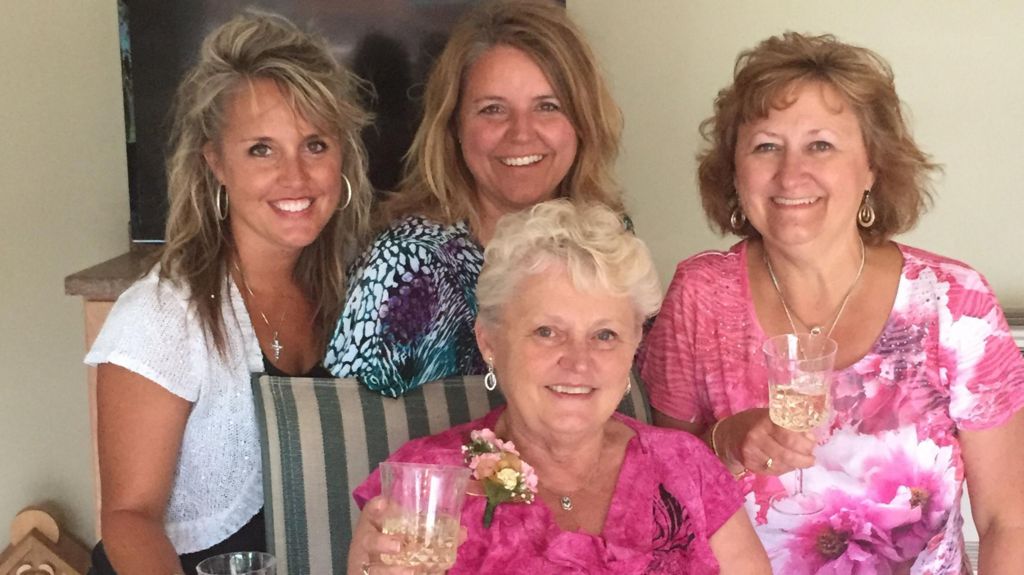
For 82-year-old grandmother-of-five Anita Le Brun, a crisp glass of pinot grigio at 5 p.m. with family and friends at the lakehouse is more than a simple drink—it is a cherished lifelong tradition. When she moved into Minnesota’s Amira Choice Champlin assisted living facility, that tradition nearly came to an abrupt end due to a little-noticed state regulation that blocked care facilities from serving alcohol to residents without an official alcohol license.
The discovery of the ban came last year, after local regulators cited Amira Choice for breaking rules when it served champagne to mark a facility renovation in April 2025. While residents were already allowed to keep and consume alcohol in their private rooms, and could bring their own drinks to community events, the facility could not serve alcohol from its own stock without a license. For senior care providers, the cost and bureaucratic requirements of obtaining such a license were prohibitively expensive and burdensome.
A well-loved social butterfly among her fellow residents, Le Brun stepped forward to become the public face of a campaign to rewrite the outdated state rule. Over months of organizing, she prepared her testimony by practicing her remarks in front of a mirror and running through her talking points with her daughters over the phone. She ultimately testified twice before Minnesota’s state legislature, arguing that entering assisted living should not strip seniors of the personal freedoms they enjoyed their entire lives.
“Just because we are older and live in assisted living doesn’t mean that we should have fewer freedoms than anyone else,” Le Brun told the state Senate committee. “My friends and I love happy hour, just like many of you do. Over a shared drink, we get to reminisce about parts of our life, military service, raising a family, the loss of a friend, and celebrating the golden phase of our lives.”
This week, that campaign crossed the finish line: Governor Tim Walz traveled to Le Brun’s assisted living facility for a ceremonial bill signing, where the pair shared a celebratory toast to the new law, widely nicknamed the “Grandparents’ Happy Hour” bill. The legislation, which went into effect this month, eliminates the license requirement for nursing homes and assisted living facilities across Minnesota that want to serve alcohol to residents and their guests at special events and regular social gatherings. Facilities only need to notify the state in advance of their plans, and the facility already limits residents to two drinks per event to mitigate known fall risks for older adults.
“Growing older shouldn’t mean giving up the traditions and freedoms you’ve enjoyed your whole life,” Governor Walz said at the signing ceremony. “This law cuts unnecessary red tape so senior living communities can spend less time worrying about paperwork and more time creating opportunities for residents to celebrate birthdays, anniversaries, Happy Hours, and everyday moments together.”
The movement for regulatory change has drawn national attention from senior advocates and care providers. Just last month, 96-year-old TikTok star Lillian Droniak—better known to her 15.1 million followers as “Grandma Droniak”—made headlines after she shared a warning letter from her Connecticut assisted living facility that banned her from hosting room parties where she served alcohol to other residents. According to her grandson Kevin Droniak, Lillian praised the new Minnesota rule, saying simply, “Let them drink!”
Alcohol regulations for senior care facilities are set on a state-by-state basis across the U.S., and many facilities already host regular happy hours to encourage social connection among residents. Erin Huppert of LeadingAge Minnesota, the non-profit advocacy group that supported Le Brun’s campaign, said the change is about more than cutting administrative costs—it is about respecting autonomy for seniors. “This is their home,” Huppert said. “They should be allowed to take part in legal consumption of alcohol, just like they could if they lived in a single-family home in the community of their choice.”
Huppert added that senior care providers across Minnesota are already moving to take advantage of the new rule, and at Amira Choice, residents and staff are already planning a large celebratory party next month to mark the change. Facility spokesperson Sara Luehmann called Le Brun a “resident superstar” for her months of work to make the new law a reality, and Le Brun says she is proud to have delivered a win that all her neighbors can enjoy. “I’m very proud, because everybody’s so excited about it,” Le Brun said, noting that fellow residents long viewed the old restriction as “ridiculous.”