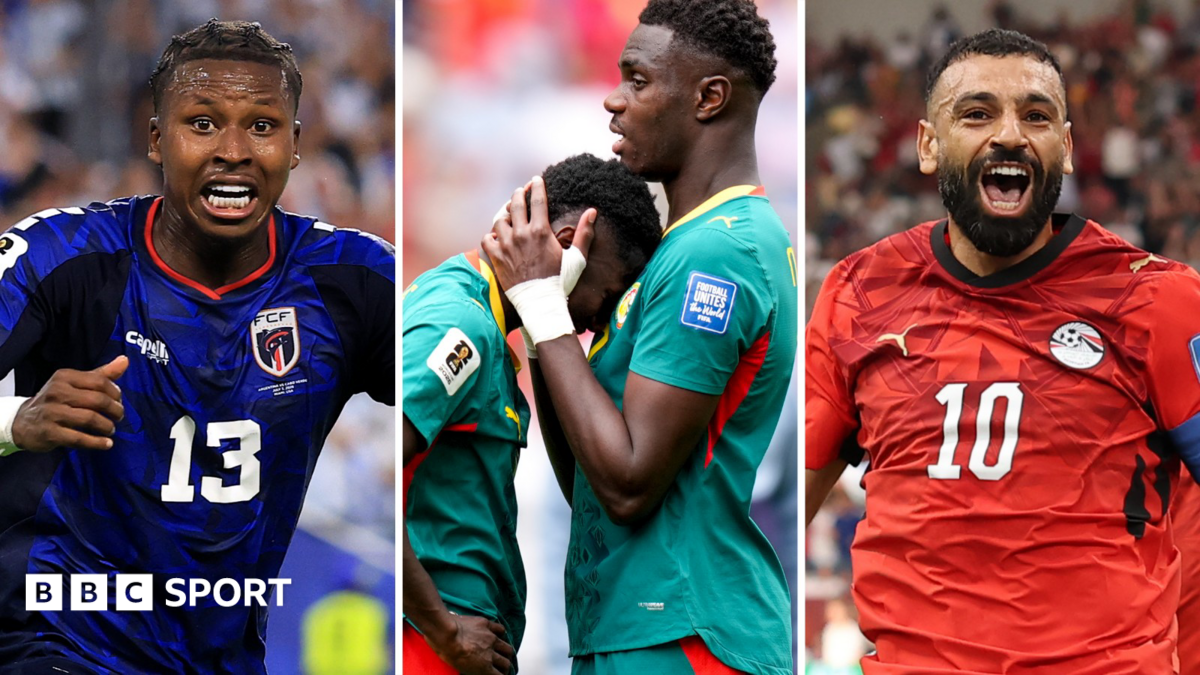
The 2026 FIFA World Cup marked a watershed moment for African football, as the continent sent its largest ever delegation of 10 teams to the global tournament following the competition’s expansion to 48 sides. What emerged was a mixed narrative of unprecedented breakthroughs, crushing late-stage exits, and lingering structural questions that African football must address ahead of the 2030 World Cup, which Morocco will co-host alongside Spain and Portugal.
Confederation of African Football (Caf) president Patrice Motsepe celebrated the early success of the continent’s teams after nine of the 10 African entrants advanced from the group stage, a result that he said made Africa’s 1.6 billion people proud. However, the knockout stage brought a string of devastating exits for most sides, with only Morocco progressing to the quarter-finals. Five different African teams were knocked out after conceding late goals, including high-profile collapses that saw Senegal and Egypt surrender two-goal leads in dramatic fashion.
The standout story of the tournament for African football was undoubtedly the debut campaign of Cape Verde, the small island nation that defied all pre-tournament expectations to reach the round of 32. The Blue Sharks secured creditable draws against Spain, Uruguay and Saudi Arabia to advance from the group stage, then pushed defending champions Argentina to extra time before succumbing 3-2, having twice fought back from a one-goal deficit.
Cape Verde’s 40-year-old goalkeeper Vozinha became a global viral sensation for his string of spectacular saves, with his Instagram follower count jumping from 50,000 to more than 29 million by the end of the tournament. His breakout performance even earned him the unusual honor of having a newly discovered species of sea slug named after him. Defender Roberto ‘Pico’ Lopes said the side’s run proved that even small African nations could compete with the world’s best. “We’ve put ourselves on the map,” Lopes told BBC Sport. “We’re a small nation but with big hearts and we showed what is possible – and if you believe, you can achieve.”
Morocco, the 2022 Qatar World Cup semi-finalists, once again cemented their status as Africa’s leading men’s national side by becoming the first African team to reach consecutive World Cup quarter-finals. While they could not replicate their 2022 run to the final four, falling to France just as they did four years prior, the Atlas Lions showed signs of a bright future under new manager Mohamed Ouahbi, who has shifted the side to a more expansive playing style. Eighteen-year-old midfielder Ayoub Bouaddi emerged as a breakout star, earning links to some of Europe’s top clubs after a series of impressive displays. Ouahbi emphasized that his young side is still building for future success: “We have a young team who want to grow, who will continue to do so. We have talented players who will enable us to grow.”
The most troubling trend to emerge from the tournament was the repeated pattern of late concession that saw multiple African sides throw away winning positions. Former Ivory Coast defender Emmanuel Eboue had warned before the tournament that African sides were often vulnerable to late goals due to lapses in concentration, and his assessment appeared to be borne out across the knockout stage.
DR Congo and Ivory Coast both conceded winning goals in the 86th minute of their round of 32 ties, while Canada scored in second-half stoppage time to eliminate South Africa. Senegal held a 2-0 lead over Belgium in the 85th minute of their last-32 match, only to concede three late goals and lose 3-2, with Belgium scoring the latest winning goal in World Cup history from a 125th-minute penalty. Egypt held a 2-0 lead over Argentina late in their round of 16 tie, only to concede twice in five minutes before falling to a 92nd-minute winner from Enzo Fernandez.
However, Dr Nikita Rowley, a chartered sport psychologist at Coventry University, argued that the pattern was not evidence of an inherent weakness in African football, but rather a natural result of the pressure and fatigue that comes with closing out historic results. “I wouldn’t say it was a trend. I think it’s just unlucky,” Rowley told BBC Sport Africa. “Every team is more susceptible to mistakes in the closing stages of a match. By that point players are experiencing both physical and cognitive fatigue. That cognitive fatigue can affect attention, decision making, communication and makes more lapses more likely. The closer you get to something historic, the more psychologically demanding it can become.”
Alongside the heartbreak, the tournament also delivered a long list of firsts for African football. Egypt and DR Congo earned their first ever wins at the World Cup finals, while Cape Verde, Ivory Coast and South Africa all advanced to the knockout stage for the first time in their histories. Ghana also reached the knockout stage for the first time since 2010, though they drew criticism for their overly defensive approach that left them with only four shots on target across four matches.
Tunisia was the clear disappointment of the tournament, sacking manager Sabri Lamouchi — hired just six months prior — after a 5-1 opening defeat to Sweden, and failing to turn their fortunes around even after appointing two-time Afcon winning manager Herve Renard, who lost all three of his matches in charge.
The expansion of the World Cup to 48 teams clearly benefited African nations, increasing the continent’s guaranteed spots from five to nine before DR Congo won an intercontinental playoff to make it 10. But Gambian coach and FIFA talent identification expert Mattar M’Boge noted that most African players lack consistent access to the high-stakes competitive matches that European and South American players take for granted, a gap that is only beginning to be addressed by the upcoming introduction of an African Nations League with promotion and relegation. “The reality is that the vast majority of the players in African national teams are not used to these high-stakes games,” M’Boge said. “Within Africa, as we continue to grow, develop and gain experience, eventually we will have teams used to this collective responsibility.”
Off the pitch, the tournament was not without controversy for African participants. U.S. visa rules blocked many fans from Senegal and Ivory Coast from attending the tournament, while fans from several African nations were required to pay deposits of up to $15,000 to secure travel visas. Top African referee Omar Artan was denied entry to the U.S. just five days before the tournament began, despite holding what he said were all the correct credentials. UEFA quickly moved to appoint Artan to officiate the upcoming UEFA Super Cup, while FIFA faced heavy criticism for the decision and for a separate controversial decision to lift a suspension for U.S. striker Folarin Balogun. Caf declined to issue a public rebuke of FIFA over either incident, unlike its European counterpart.
With FIFA president Gianni Infantino already floating a further expansion to a 64-team World Cup that would open up even more spots for African teams, the 2026 tournament has given the continent a clear set of lessons to implement ahead of the 2030 tournament, when the World Cup returns to African soil for the first time since 2010.