LONDON – As British Prime Minister Keir Starmer prepares to formally resign from office next Monday, he will face one final round of scrutiny from lawmakers this Wednesday at the weekly Prime Minister’s Questions (PMQs) in the House of Commons.
Starting at noon, Starmer will bid goodbye to the raucous, high-stakes weekly session where he spent two years clashing with opposition politicians and defending his administration’s policy record. When he steps down at the end of next week, he will pass leadership of the country and the ruling Labour Party to Andy Burnham, the former Greater Manchester mayor who ran unopposed in the leadership contest and will be officially confirmed as the new party leader this Friday.
Under the UK’s parliamentary democratic system, ruling parties are permitted to replace their leader — and therefore the country’s prime minister — without triggering an immediate general election. The next mandatory national vote is not scheduled to take place until 2029.
Starmer’s time in office has been a short two-year tenure that started with a historic landslide general election victory in July 2024, but ended in resignation following a string of policy missteps and judgment errors that eroded his support among both Labour Party members and the general public. He failed to deliver on core campaign pledges to boost sustained national economic growth, repair underfunded, overstretched public services, and ease the persistent cost of living crisis that has strained household budgets across the UK.
His position was further weakened by high-profile controversial decisions, most notably the appointment of Peter Mandelson — a figure with documented ties to disgraced financier Jeffrey Epstein — as British ambassador to the United States. After the Labour Party suffered severe losses in May’s local elections, pressure from within the party grew to a breaking point, and Starmer announced he would step down.
In advance of his departure, Starmer is expected to use his final PMQs to highlight the policy wins his administration did secure, including expanded legal protections for residential renters, a landmark increase to the national minimum wage, and the passage of the Hillsborough Law, a reform that bans official cover-ups following public tragedies. He is also likely to reference his foreign policy work, including unwavering support for Ukraine amid Russia’s ongoing invasion and efforts to repair strained post-Brexit relations between the UK and the European Union.
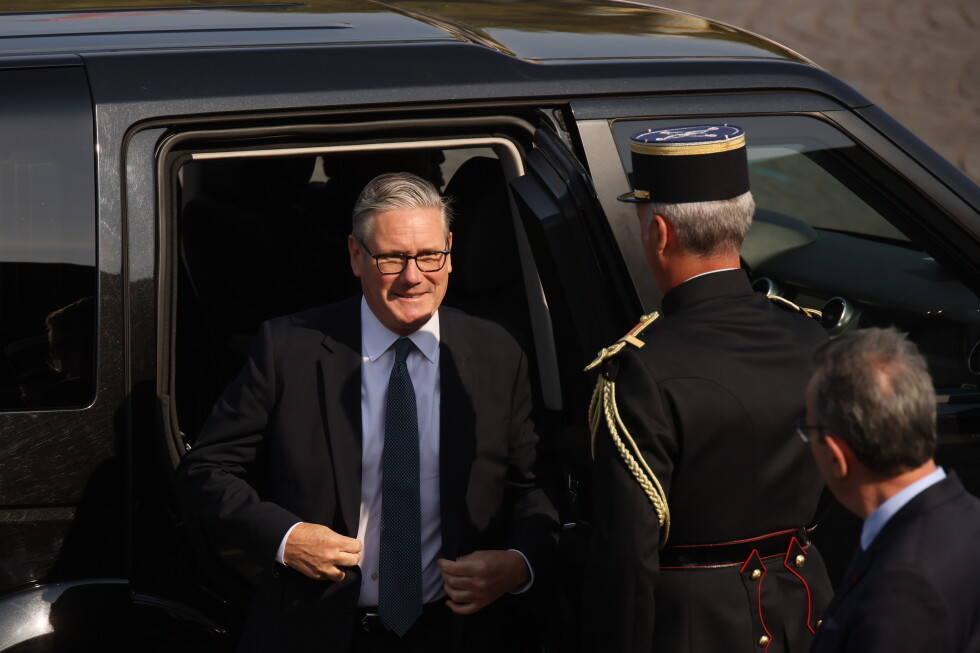
Just one day before his final PMQs, Starmer joined French President Emmanuel Macron for Paris’s annual Bastille Day celebrations, where Macron awarded him the Legion of Honor, France’s highest civilian honor, in recognition of his work strengthening European security cooperation between the two nations.
Back in London on Tuesday, Starmer hosted a thank-you reception in the garden of 10 Downing Street for campaigners who have spent years pushing for official accountability after losing loved ones to violent tragedies. Addressing the gathering, he struck a conciliatory tone about his departure.
“I leave on Monday with good grace,” he told attendees. “I’m very pleased I’ve had the privilege of being prime minister. I’m pleased to have delivered on the promises that are made to many people in this garden. And I’ll make this last promise, which is I will stand with you and walk with you, as long as I’ve got breath in my body.”
The formal handover of power will take place next Monday, when Starmer travels to Buckingham Palace to officially tender his resignation to King Charles III. Following Starmer’s departure, the King will invite Burnham to form a new government and take office as the UK’s next prime minister.