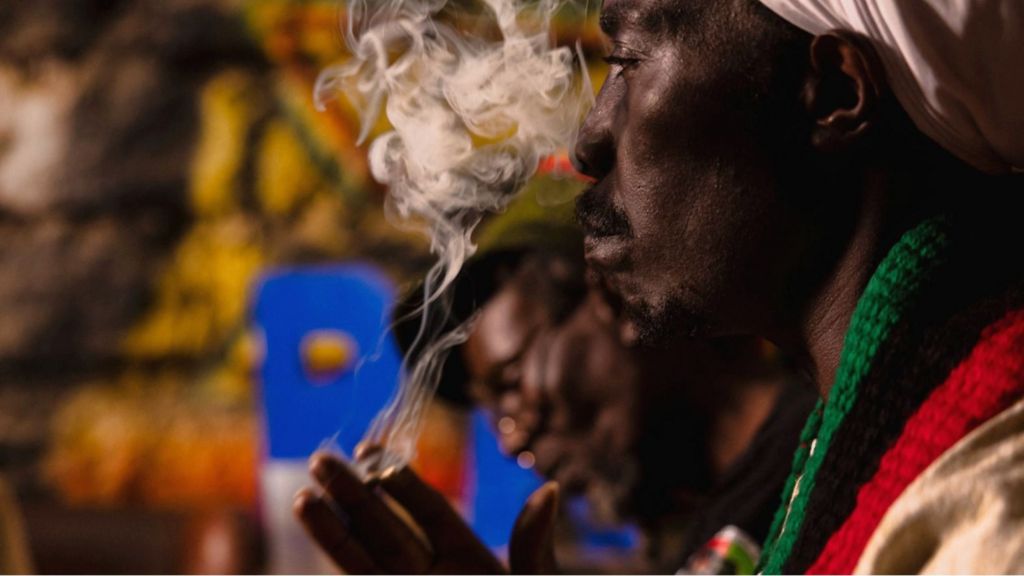
Kenya’s highest judicial body has thrown out a legal challenge from the country’s Rastafarian community, which had pushed to exempt religious practitioners from national cannabis bans on the grounds of constitutional protection for freedom of belief. The case, which has drawn widespread public attention across the East African nation, centers on a longstanding tension between controlled drug policy and religious autonomy.
The Rastafarian community has long held that cannabis, referred to in their doctrine as a sacred herb, is an integral part of their spiritual practice. In their submission to the court, the group argued that the blanket national prohibition on cannabis use directly violated the fundamental right to religious freedom enshrined in Kenya’s constitution.
In the widely watched ruling delivered by Justice Bahati Mwamuye, the court dismissed the petition on the basis that the Rastafarian group failed to present sufficient evidence proving that existing drug legislation infringed on their constitutional rights. While the outcome fell short of the community’s demands, Justice Mwamuye used the ruling as an opportunity to call for a far-reaching, inclusive national conversation on the country’s cannabis policies.
“This is not an issue that concerns only the Rastafarian community. It is a national question that touches every segment of our society,” Justice Mwamuye stated in his judgement. “We need to hold open, frank discussions about what direction our cannabis policies should take moving forward.”
The ruling comes amid a growing movement across Kenya to review the country’s strict cannabis laws. Advocates for reform have put forward a range of economic and social arguments for loosening restrictions, noting that regulated commercial cultivation could generate new employment opportunities for thousands of Kenyans, increase public tax revenues, and unlock the potential of industrial and medical applications of cannabis that remain off-limits under current law. For the Rastafarian community, however, the debate is first and foremost a matter of religious equality, with members maintaining that their sacred use of cannabis deserves legal recognition and protection under the law.