Against the backdrop of the ongoing war in Ukraine, a team of UK military veterans volunteering with a British disaster response charity has wrapped up another deployment, bringing critical frontline medical training to ordinary civilians living and working in active war zones.
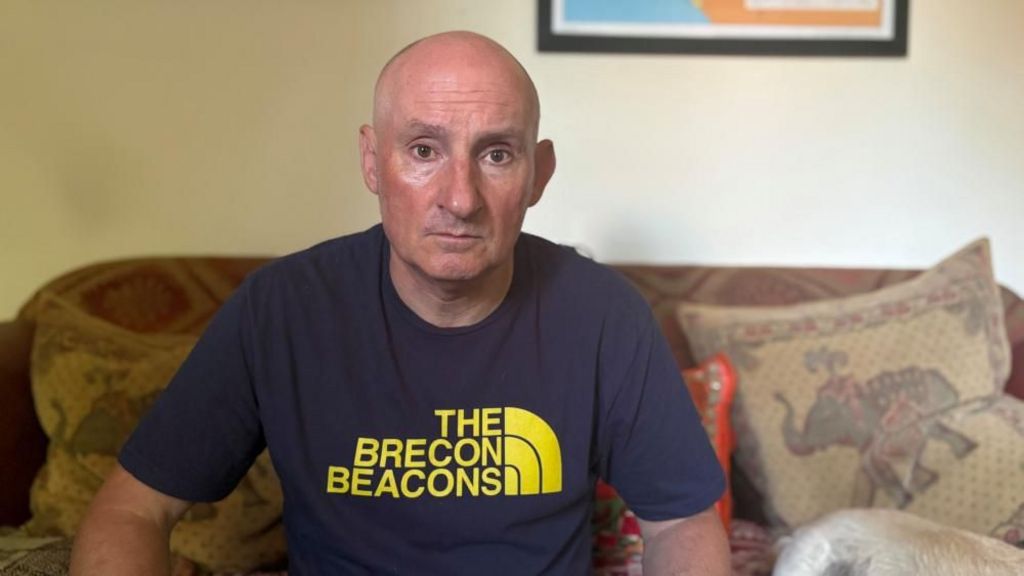
Paul Taylor, a resident of Hay-on-Wye, Herefordshire and a veteran of the Royal Regiment of Fusiliers, just returned to the UK from his 10th mission to Ukraine, where he and other volunteers from REACT Disaster Response have been training local civilians in tactical first aid and incident management since Russia’s full-scale invasion more than four years ago.
For Taylor, the work is a chance to put decades of military-honed skills to use for people facing daily danger. “It is tough, but it’s a huge privilege to be able to use the skills that I’ve accrued doing a number of things over a number of years and put that to good,” he said in an interview after his return.
Founded in the wake of the devastating 2015 Nepal earthquakes, REACT Disaster Response is a UK-based charity that has deployed to respond to natural disasters and conflict zones across the globe, from hurricanes and tsunamis to ongoing active war. For more than two years, the organization’s core focus in Ukraine has been building local capacity to handle trauma injuries from attack, training ordinary civilians who are routinely exposed to frontline risk.
The program’s curriculum centers on three core life-saving pillars, Taylor explained: keeping people safe in active conflict zones, stopping life-threatening bleeding and maintaining open airways for injured people, and coordinating safe evacuation of casualties to formal hospital care. The training is tailored to the full range of civilians who remain in high-risk areas, from entire families living in regions targeted by frequent drone strikes to critical infrastructure workers who must venture into dangerous areas to restore services after attacks.
Taylor noted that even basic, widely accessible medical tools like tourniquets and field dressings can mean the difference between life and death when attack strikes far from established hospitals. “It’s fairly rudimentary, so it’s tourniquets and it’s what you would know as field dressings but it’s life saving… we’re trying to put that knowledge and skill close to the incident. That’s what’s going to save people’s lives,” he said. “We have trained mum, dad and two kids because they are exposed to the harsh reality of this every single day. We were also training internet engineers: as soon as there’s a strike, internet goes down, these people are out on the streets in extremely dangerous conditions, up poles etc, having to fix the internet connection.” In addition to training, REACT also donates critical medical supplies to local families and workers in high-risk areas.
Joining Taylor in the work is fellow veteran Lizzy Stileman, a 20-year veteran of British Army officer service who now serves in the Army Reserves and has volunteered with REACT since 2017. Stileman said she chose to join the Ukraine missions because she wanted to contribute directly when it matters most for civilians caught up in the conflict.
“Seeing the challenges people face in Ukraine, I feel that even a small contribution can make a meaningful difference, and it’s motivating to know that the work we’re doing helps build confidence, preparedness, and potentially saves lives,” she said.
During his latest deployment, Taylor documented the harsh realities of daily life in Ukrainian war zones, noting that major roads across the country are now covered with protective nets designed to shield civilian vehicles from incoming drone attacks, a constant reminder of the pervasive risk local people face every day.