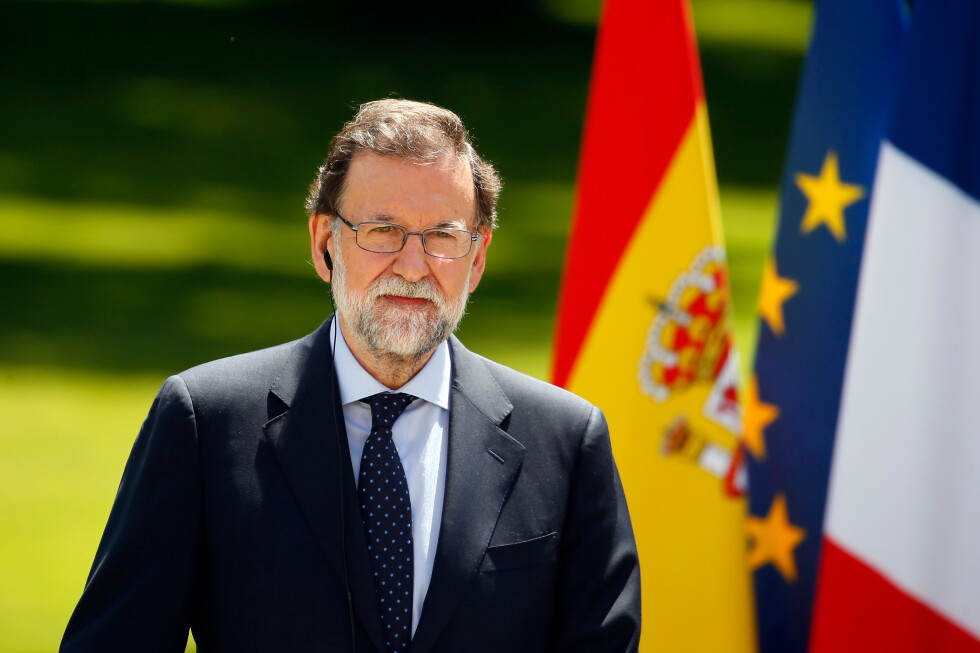
Ahead of the highly anticipated 2025 FIFA World Cup semifinal clash between France and Spain in Dallas, a controversial comment from former Spanish prime minister Mariano Rajoy has sparked global outrage, with leaders from both nations labeling the remark as overtly racist.
Rajoy, a longstanding senior figure in Spain’s center-right Popular Party who held the office of prime minister from 2011 to 2018, published the incendiary claim in a opinion column for Spanish news outlet El Debate on July 10. In the piece, he acknowledged France’s impressive run at the tournament—where the side had won every match heading into the semifinal and sits atop the official FIFA world rankings, boasting one of the deepest and most talented rosters in the competition. Despite this praise, Rajoy added the provocative line: “That said, one thing they don’t have is any French players.”
The comment quickly drew sharp rebuke from across the political and sporting spectrum, starting with top French officials. On Monday, French Foreign Minister Jean-Noël Barrot told BFM TV, a leading French broadcaster, that the nation does not have a single defining skin color, and any statement claiming otherwise is rooted in stupidity, racism, or both. A day before Barrot’s remarks, Philippe Diallo, president of the French Football Federation, took to social platform X to condemn Rajoy’s words, writing that the comments carry an intolerable whiff of racism. Diallo added that the incident also exposes the troubling societal environment that allows such discriminatory views to surface publicly, noting that French national team players do not need a former head of government to validate their nationality.
Spain’s current ruling Socialist Party government also moved quickly to distance itself from Rajoy’s words, with top Spanish leaders issuing clear condemnations. Current Prime Minister Pedro Sánchez addressed the controversy on X, without directly naming his predecessor, arguing that there are still those who judge national belonging based on surname, place of birth, or skin color, while others recognize belonging through a person’s commitment to their country and willingness to contribute to its success—whether that contribution comes through playing professional football, caring for aging community members, or building new businesses. Sánchez concluded his post with a message of sportsmanship ahead of the match: “France, we’ll see you in the semifinals. May the best one win and may racism lose.”
Spanish Foreign Minister José Manuel Albares doubled down on the government’s criticism on Monday, calling on Popular Party leader Alberto Núñez Feijóo to publicly and clearly disavow Rajoy’s comment.
This is not the first instance of racist targeting against the French national squad during this World Cup tournament. Earlier in July, French captain and star forward Kylian Mbappé publicly condemned a Paraguayan senator for discriminatory remarks made after France’s round of 16 victory over Paraguay. After Mbappé scored a match-winning penalty to secure France’s win on July 4, Celeste Amarilla, a senator from Paraguay’s Liberal Radical Party, posted a series of mocking posts on X targeting Mbappé’s origins, upbringing, education, and physical appearance.