A devastating prolonged drought in Uganda’s northeastern semi-arid Karamoja region has left at least 16 people dead from hunger in recent weeks, according to official government statements, renewing long-running concerns over the region’s growing vulnerability to climate-driven food insecurity.
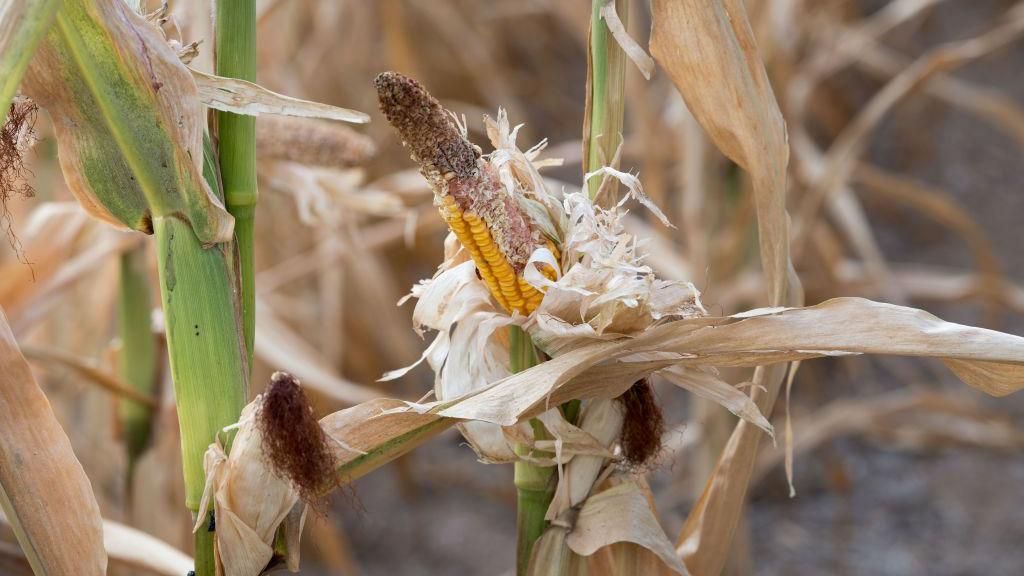
Local farming communities report that staple crops including maize, sorghum, and soybeans have entirely failed this growing season. Since April, when the annual planting period begins, the region has recorded barely any rainfall — leaving parched fields and withered crops that have destroyed all hopes of a productive harvest. Thousands of households across Karamoja now face acute food shortages after losing their entire seasonal crop yield.
Climate and agricultural experts point to a combination of overlapping drivers that have put the region on a cycle of recurring hunger crises. Recurring climate change-fueled low rainfall patterns, combined with widespread deforestation, unsustainable overgrazing, and persistent crop pest outbreaks, have steadily eroded the ability of local communities to withstand dry spells, leaving them increasingly exposed to severe food shortages. To address these systemic risks, experts are calling for long-term interventions: improved weather forecasting to help communities prepare for drought, expanded public investment in irrigation infrastructure, and wider adoption of drought-resistant crop varieties that can survive extended dry conditions.
Ugandan Prime Minister Robinah Nabbanja announced that her office will request cabinet approval on Monday to allocate additional funding and acquire emergency food supplies for the affected region. The government has already begun rolling out initial emergency food aid distributions to hard-hit communities, but the scale of the crisis has left policymakers scrambling to scale up support.
This is not the first time Karamoja has faced a catastrophic hunger emergency. A 2022 report from Uganda’s official human rights commission documented that more than 2,200 people died from starvation and hunger-related illnesses in the country’s northeast during that year’s drought. That crisis sparked national outrage after then-Foreign Minister Henry Okello Oryem drew widespread condemnation for calling hunger victims “idiots”, claiming that Uganda’s generally favorable climate and fertile land meant people should always be able to grow enough food to feed themselves.
Karamoja’s long-standing pattern of drought-driven hunger has underscored growing warnings across East Africa that climate change is intensifying the frequency and severity of extreme weather events, pushing marginalized rural communities into repeated cycles of crisis that require both emergency aid and long-term adaptive investment.