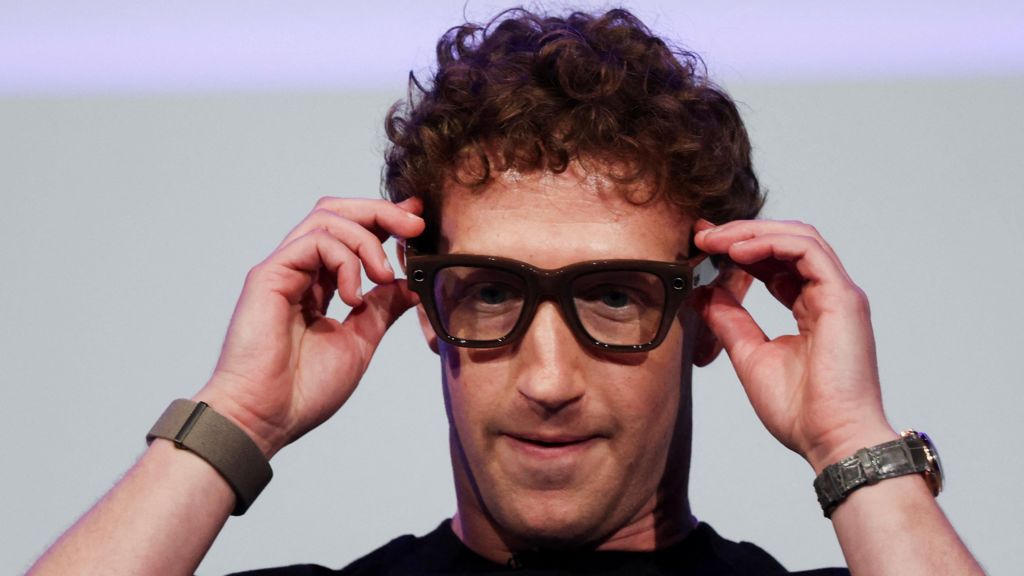
At the annual Meta Connect conference held in Silicon Valley, Meta CEO Mark Zuckerberg introduced a groundbreaking lineup of smart glasses and AI-powered wearable devices, signaling the company’s ambitious push into the future of wearable technology. The event, attended by hundreds of tech enthusiasts and industry leaders, showcased Meta’s latest innovations, including the Meta Ray-Ban Display glasses and the Oakley Meta Vanguard, both designed to integrate seamlessly with the company’s AI ecosystem. The Meta Ray-Ban Display features a high-resolution, full-color screen embedded in one lens, enabling users to conduct video calls, view messages, and capture photos with a 12-megapixel camera. Additionally, Meta unveiled a neural wristband that pairs with the glasses, allowing users to perform tasks like sending messages through subtle hand gestures. Despite a minor hiccup during the live demonstration—a WhatsApp call failed to connect—Zuckerberg emphasized the transformative potential of these devices, calling the technology a ‘huge scientific breakthrough.’ Analysts predict that smart glasses, with their everyday practicality, could outperform Meta’s Metaverse project in terms of market adoption. However, challenges remain in convincing consumers of their value, particularly given the $799 price tag for the Meta Ray-Ban Display. Zuckerberg also highlighted Meta’s massive investments in AI infrastructure, including plans to build sprawling data centers across the U.S., as part of its mission to develop ‘superintelligence.’ The event was not without controversy, as activists protested outside Meta’s New York headquarters, demanding stronger safeguards for children on social media platforms. These concerns were amplified by recent Senate testimonies from former Meta researchers alleging the company downplayed potential harms of its VR products. Meta has denied these claims, labeling them as ‘nonsense.’