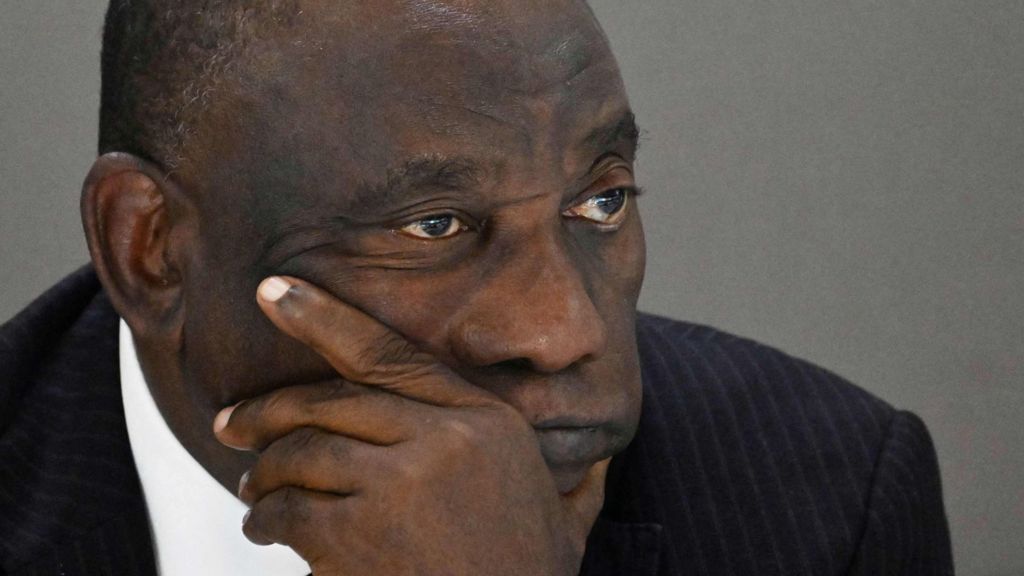
A deepening diplomatic dispute between Ghana and South Africa, sparked by violent anti-foreign xenophobic protests in South Africa, has led Ghana to postpone a planned state visit by South African President Cyril Ramaphosa that was intended to ease cross-border tensions.
Ramaphosa had scheduled the high-profile visit for the first week of August, a trip widely viewed as an opportunity to open dialogue and repair frayed relations between the two African nations following weeks of unrest targeting foreign residents. But Ghanaian officials concluded that proceeding with the visit amid widespread public anger over the treatment of Ghanaian citizens in South Africa would likely trigger large-scale disruptive protests, leading to the decision to delay the trip indefinitely for the time being.
“We sent them a communication indicating that it would be best to defer the visit in view of the present climate around xenophobia,” Ghanaian government spokesman Felix Kwakye Ofosu confirmed to the BBC in a statement Tuesday.
In response, South African presidential spokesperson Vincent Magwenya reaffirmed the country’s continued commitment to strengthening bilateral ties, framing the two nations as sister partners aligned on advancing shared pan-African goals. “The two countries will continue to engage through diplomatic channels to identify a mutually convenient date,” Magwenya noted, downplaying the severity of the current rift.
Tensions began to spike earlier this year after a graphic video of a Ghanaian resident in South Africa being harassed and ordered to leave the country went viral across social media, sparking outrage across West Africa. Since the unrest erupted, Ghana has already repatriated more than 900 of its citizens from South Africa, with a final group of more than 900 additional Ghanaians expected to be brought home in the coming weeks.
Ghana is not alone in its response to the anti-immigrant unrest. Other African nations including Nigeria, Malawi, and Kenya have also organized repatriations for their citizens who felt unsafe amid the protests. Local anti-immigration groups gave undocumented migrants a deadline of June 30 to leave South Africa, and United Nations data indicates that roughly 25,000 foreign migrants have been repatriated to their home countries across the continent so far.
The dispute escalated dramatically last week over conflicting accounts of a Ghanaian national’s death in Cape Town’s Khayelitsha suburb. Ghanaian authorities allege that 40-year-old Bahiru Isak was killed during anti-immigration protests held on June 30, a claim South African officials have outright denied. South African authorities confirm only one Ghanaian fatality, 35-year-old Kwabena Boagen, and insist his death was not connected to the xenophobic demonstrations. This disagreement led South Africa’s Justice Minister to accuse Ghana of spreading deliberate misinformation about the unrest and irregular migration.
A core point of contention also remains over the immigration status of repatriated Ghanaians: Ghana claims nearly all of its citizens residing in South Africa held valid legal residency documentation, a claim Pretoria has rejected. Neither side has yet released public evidence to back up their opposing assertions.
Back in May, Ghana submitted an official petition to the African Union calling for a formal fact-finding mission and urgent intervention to address the recurring waves of xenophobic violence in South Africa. Ghanaian officials argue that attacks on foreign African residents directly contradict the core principles of the African Continental Free Trade Area agreement, which aims to facilitate free movement of people and goods across the continent.
Regional political analysts warn that if South Africa does not take urgent, concrete action to address the anti-immigrant violence and resolve ongoing diplomatic tensions, it faces growing political isolation across the African continent.
Xenophobic sentiment targeting foreign residents is not a new issue in South Africa. For decades, some native South Africans have blamed undocumented and documented foreign migrants alike for high levels of domestic unemployment and rising crime rates. But many citizens of other African nations have pushed back on this narrative, reminding Black South Africans of the widespread cross-border solidarity and support their countries provided during the anti-apartheid struggle that led to South Africa’s transition to multiracial democracy.
Additional reporting for this article was contributed by Khanyisile Ngcobo and Natasha Booty. More coverage of African political and social developments is available at BBCAfrica.com.