JUBA, South Sudan — Fresh political violence has shattered the fragile calm in South Sudan’s oil-rich Jonglei State, where a government-named county commissioner for a key opposition-held area was assassinated by opposition forces, national government officials confirmed late Monday. The killing has intensified ongoing clashes in the region, raising grave new concerns about the viability of the 2018 peace agreement that was meant to end years of civil war ahead of the country’s long-delayed first post-independence elections scheduled for December.
Strategically located Akobo County has long been a flashpoint for competing political claims, with both the ruling party under President Salva Kiir and the main opposition bloc led by imprisoned former vice president Riek Machar appointing separate officials to the county’s top administrative post. According to officials from both sides of the conflict, the slain official, James Kueth Makuach, was killed Sunday when opposition fighters launched an coordinated assault on Walgak, a sparsely populated remote area in Akobo West.
Makuach’s path to the role underscores the deep political divisions that continue to plague South Sudan a decade after it gained independence from Sudan. Earlier this year, he was removed from the position by the opposition’s acting leadership, prompting him to defect to Kiir’s ruling Sudan People’s Liberation Movement in April. Shortly after his defection, the national government appointed him to the county commissioner post — a move that directly violates the power-sharing terms laid out in the 2018 peace accord, which reserves the Akobo County commissioner seat for Machar’s opposition party. Machar, who has been Kiir’s main political rival for decades, remains in custody in Juba facing national treason charges.
In an official statement released after the killing, Kiir’s ruling party issued a harsh condemnation of what it called the “brutal killing” of Makuach, announcing it would convene an emergency legislative session to discuss a formal response to the violence. John Wiyual Lul, the governor of Jonglei appointed by Machar’s opposition bloc, confirmed that opposition fighters temporarily seized control of the Walgak area before pulling back after government reinforcements arrived to retake the territory. Lul also added that multiple senior government army officers were among the dead in the clash, though full casualty counts have not been compiled.
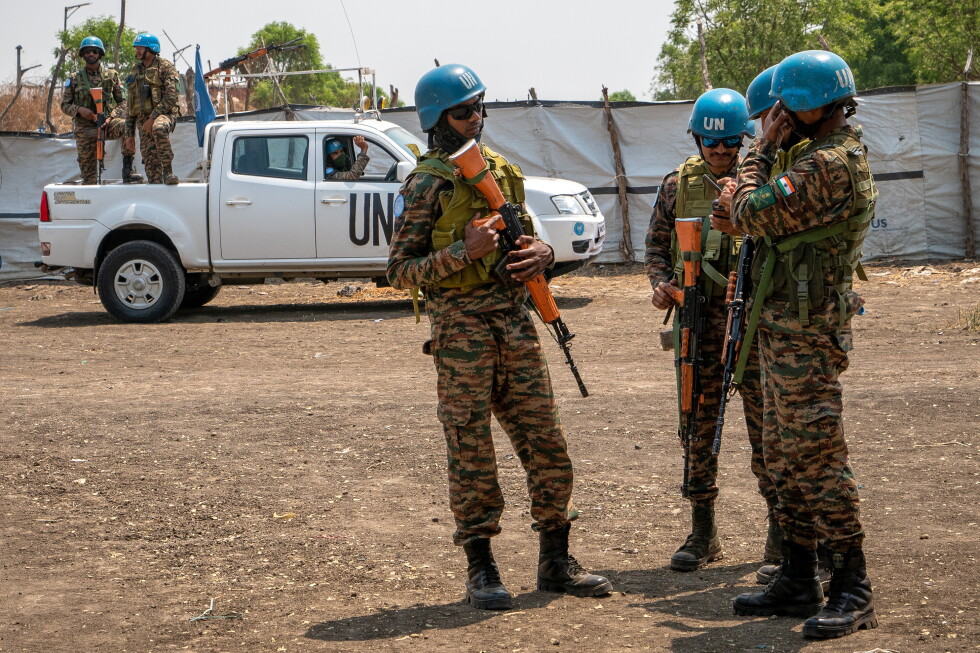
Nyamar Lony Thichiot, spokesperson for the Jonglei State government, told the Associated Press Monday evening that the exact number of people killed or injured in the recent surge of fighting remains unknown, due to the remote location of the conflict zone and restricted access for humanitarian and verification teams. This latest round of clashes is not an isolated outbreak: fighting first erupted in Akobo County back in March, when opposition forces launched an attack on a major government military base. By June, the United Nations made the decision to withdraw its peacekeeping force from a civilian protection base in the county, leaving local residents without international protection.
The Reconstituted Joint Monitoring and Evaluation Commission, the independent body tasked with overseeing compliance with the 2018 peace agreement, issued a formal statement Monday warning that the renewed violence directly undermines ongoing efforts to implement the power-sharing deal and puts thousands of civilian lives at severe risk. Civil society leaders across South Sudan have sounded the alarm that growing political gridlock between Kiir and Machar’s factions is once again escalating into open armed conflict, just months before the country is set to hold its first national elections since independence in 2011.
“This is an unfortunate relapse into violence and a clear threat to civilians, their property and humanitarian operations,” said Bol Deng Bol, a prominent Juba-based civil society activist. Fellow activist Edmond Yakani called on both the ruling government and opposition blocs to immediately recommit to the permanent ceasefire laid out in the 2018 agreement, urging political leaders to resolve their disputes through dialogue rather than armed confrontation. With elections just months away, analysts warn that rising violence across Jonglei and other contested regions could derail the vote and push South Sudan back into full-scale civil war.