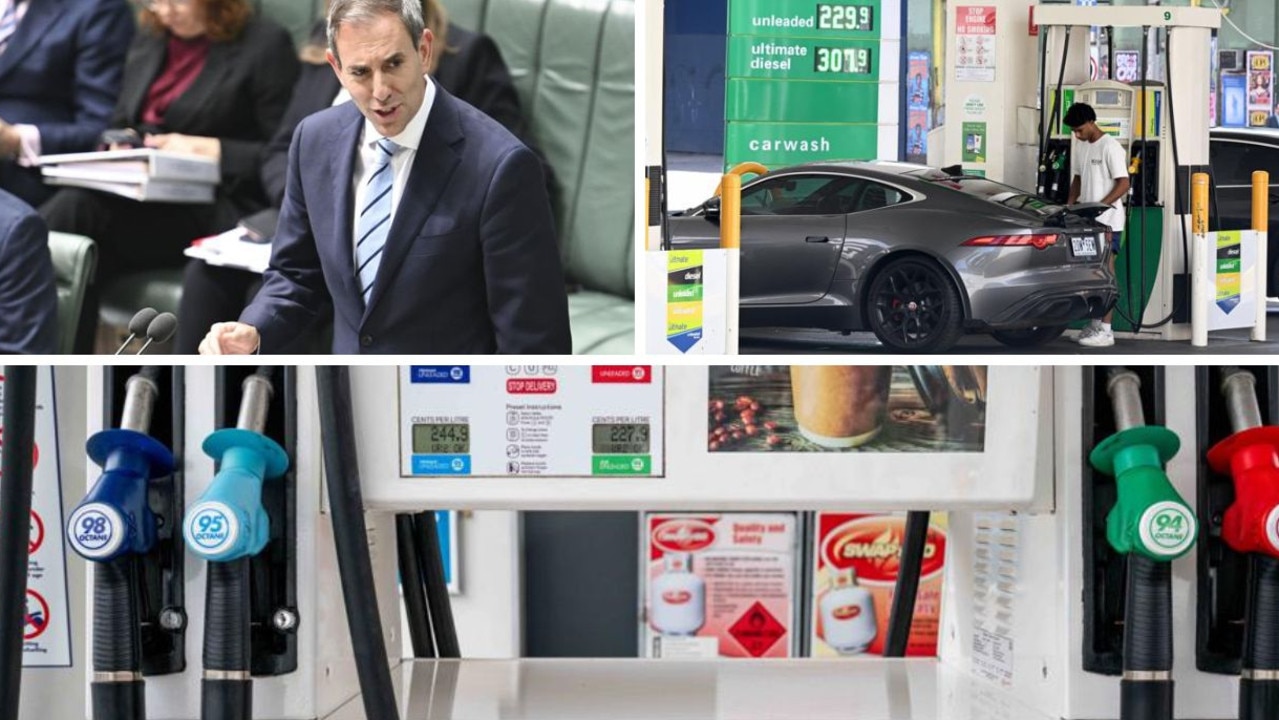
Australian drivers are already feeling significant financial strain at petrol pumps just days after the federal government halved the temporary fuel excise discount introduced to offset sky-high global fuel prices, new data and industry analysis confirms.
Finder’s latest consumer research reveals that 79% of Australian motorists believe they are being overcharged by fuel retailers following the June 30 reduction of the total per-litre discount from 32 cents to 16 cents. Automobile advocacy group the NRMA has recorded dramatic price surges across New South Wales, with regular unleaded petrol in Sydney jumping 17 cents per litre to hit 164.4 cents in the week after the discount cut. Sydney diesel prices rose even faster, climbing 21.1 cents per litre to 182.2 cents.
Worse price increases are on the horizon for drivers across the state, the NRMA’s fuel watch program warns. “Prices are expected to rise a further 3 cents per litre in Sydney over the next week or so,” the group said in its latest update. “Regional price increases in the order of at least 6 cents per litre will take longer to pass through to consumers, but the final size of the increase depends on when individual retailers replenish their stock.”
The staggered rollback of the fuel excise cut is part of a policy response to geopolitical turbulence that roiled global energy markets earlier this year. The original 50% cut to fuel excise was introduced on March 30, following the outbreak of conflict between the United States and Iran that led to the temporary closure of the Strait of Hormuz — the critical global chokepoint through which 20% of the world’s daily energy supplies flow.
The closure disrupted global oil and gas markets, pushing benchmark crude prices up to roughly $US120 per barrel before a fragile peace agreement calmed tensions. After the deal, oil prices retreated to near pre-conflict levels of around $US70 per barrel.
The initial excise cut reduced fuel costs by 26.3% per litre, cutting the cost of filling a 50-litre tank by $16 and an 80-litre tank by $21 for Australian motorists. State governments later agreed to return excess GST revenue generated by the higher fuel prices to consumers, bringing the total combined discount to 32 cents per litre. Fuel prices briefly dropped to a five-year low nationwide as a result of the combined policy action.
Starting July 1, the total discount was halved to 16 cents per litre as part of a planned gradual return to pre-conflict tax levels, which will be fully restored by August 2, 2026.
Federal Treasurer Jim Chalmers defended the gradual rollback, framing the extended partial discount as responsible cost-of-living support for households still grappling with broader inflationary pressure. “This extension of the fuel tax cut recognises there’s still a lot of uncertainty in the Middle East and the global economy more broadly, and our action provides a graduated return to normal settings for the fuel excise,” Chalmers said.
“The additional relief we’re providing means that from 1 July, we’ll have more temporary help with the cost of living with this extension to the fuel tax cut, and more permanent help with the cost of living with another round of tax cuts for every taxpayer,” he added. “We thank the states and territories for contributing to the fuel tax cut.”
Economics analysts note that Australian fuel prices are highly sensitive to shifts in global crude markets: according to financial services firm AMP, every $10 increase in global oil prices translates to an extra 10 cents per litre paid by consumers at Australian pumps.
As prices climb, Australia’s competition regulator has moved to crack down on potential price gouging by fuel retailers. The Australian Competition and Consumer Commission (ACCC) sent a formal warning letter to retailers late last week, reminding businesses they must not exploit the partial excise restoration to overcharge consumers at the pump.
“We will closely examine fuel price movements and market behaviour, both in the lead-up to and following the increase in fuel excise,” ACCC Commissioner Anna Brakey said. “We will not hesitate to take action if retailers make false or misleading statements about price movements or if there is evidence of anti-competitive behaviour.”