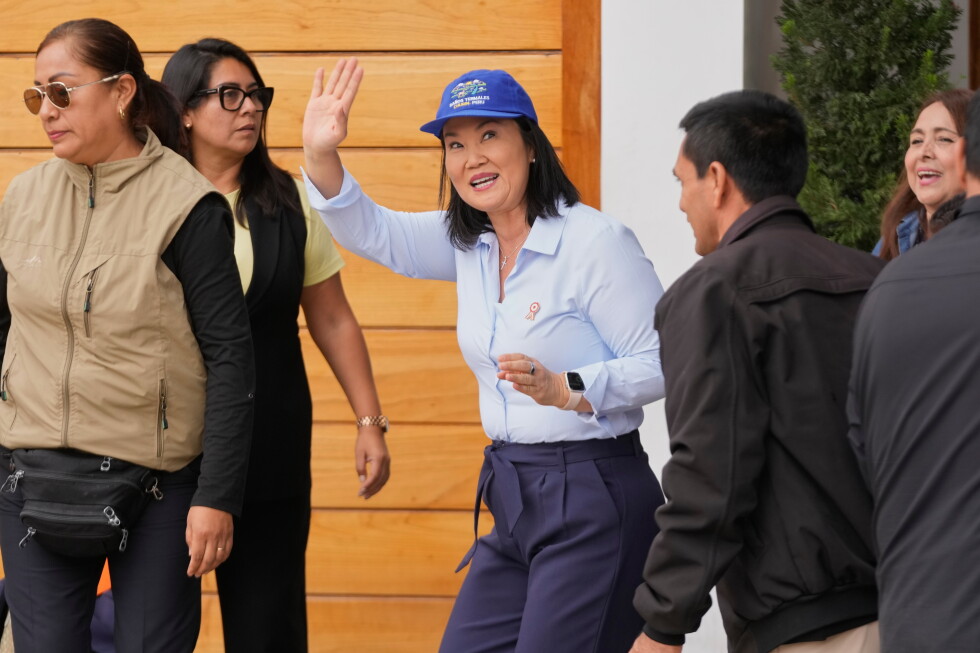
LIMA, PERU – In a closely contested election outcome finalized on Friday, conservative contender Keiko Fujimori has been officially certified as the president-elect of Peru, capping off a fourth consecutive bid for the nation’s highest office shaped overwhelmingly by voter anxiety over skyrocketing criminal activity. The 51-year-old politician, daughter of disgraced former Peruvian president Alberto Fujimori, will assume office later this month to become the country’s ninth head of state in just one decade, a statistic that underscores the persistent political volatility South America’s third-largest economy has faced in recent years.
Peru’s national election authority formally validated the razor-thin victory Friday, bringing an end to vote tabulation processes that stretched for days after the June 7 runoff. Final official data, released in full this week after all 100 percent of ballots were counted, shows Fujimori secured 9,223,000 votes, equivalent to 50.135 percent of the total electorate. Her opponent, nationalist congressman Roberto Sánchez, followed closely with 9,173,000 votes, or 49.865 percent, leaving the margin of victory thinner than 0.3 percentage points.
Both candidates advanced to the two-person runoff after emerging as the top two vote-getters in an April general election that fielded a total of 35 candidates. Throughout the runoff campaign, public discourse centered heavily on one pressing issue that resonated with voters across demographic groups: the rapid growth of organized crime and the associated surge in public insecurity, particularly the widespread extortion rackets run by violent criminal gangs across the country. Fujimori built her campaign platform around a hardline pledge to crack down on criminal activity with an uncompromising approach, a policy pitch that appealed to voters frustrated by the failure of previous administrations to curb rising violence.
The incoming president’s political legacy is deeply tied to that of her late father, Alberto Fujimori, who served as Peru’s president through the 1990s. While the elder Fujimori is widely credited for defeating the violent Shining Path extremist insurgency that terrorized Peru through the 1980s and early 1990s, his administration drifted into authoritarian rule, and he was ultimately convicted in 2009 on two counts: human rights abuses committed during counterinsurgency operations, and separate corruption charges. Keiko Fujimori’s rise to the presidency marks a major milestone for the Fujimori political dynasty, which has remained a divisive but powerful force in Peruvian politics for more than 30 years.