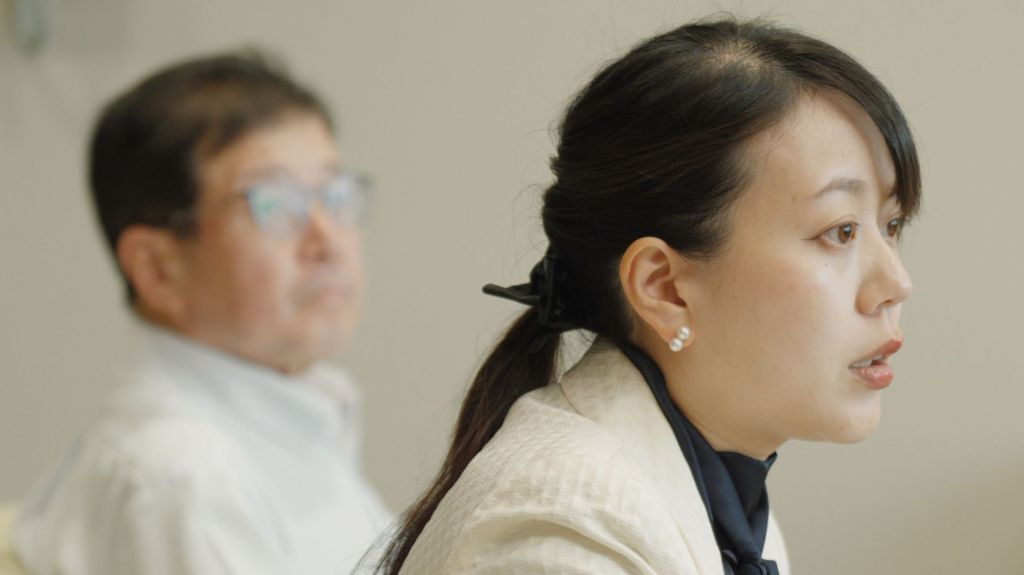
Thirty-five-year-old Shoko Kawata, mayor of the small scenic town of Yawata south of Kyoto, is about to make unprecedented history in Japanese politics: she will become the first Japanese sitting mayor to take maternity leave. What she expected would be a routine announcement of personal leave has instead thrown her into the center of a fierce national conversation, a conversation that cuts to the core of Japan’s ongoing struggles with falling birth rates, gender representation in public office, and outdated workplace norms.
Kawata, who made history three years ago as Japan’s youngest female city mayor when she took office at 33, has always navigated a heavily male-dominated political landscape. As of 2025, just 4% of Japan’s 1,720 municipal leaders are women, and the country ranks 118th out of 146 nations on the World Economic Forum’s 2025 Global Gender Gap Index – the lowest performer among G7 countries. Even with Japan’s first female prime minister in office, successive governments have faced widespread criticism for failing to implement meaningful policies to remove barriers that keep women out of politics. A 2025 Cabinet Office survey explicitly named pregnancy, the pervasive cultural assumption that politics is a male sphere, and systemic harassment as the top obstacles holding women back from public service.
Because no existing legal framework outlines maternity leave provisions for locally elected officials in Japan, Kawata cannot take formally recognized maternity leave. Instead, she has arranged for her 62-year-old deputy mayor Shigeto Nose to act as interim mayor during her four-month absence: two months leading up to her mid-September due date, and two months following childbirth. Nose, a father of two who never took parental leave himself and now sees his own son-in-law taking six months of leave to care for his second child, will hold full mayoral authority during Kawata’s leave, with a weekly remote check-in to discuss major municipal matters. Kawata’s in-office colleagues, who have an average age of 39, have all voiced full support for her decision.
Public reaction, however, has been sharply divided, with thousands of posts on X and dozens of YouTube videos weighing in on the debate. Supporters argue that Kawata’s choice breaks new ground for working women across Japan, pointing out that Japanese society has long failed to build institutional support for pregnant people in public and professional life. Many praise her for normalizing the idea that women do not have to choose between holding public office and building a family, noting that her precedent will make it easier for other women to pursue political careers in the future.
Critics, by contrast, have labeled her decision irresponsible. Some argue that if she wanted to have a child, she should have done so before running for office, while others demand that she resign for taking an extended leave from public duties or that her salary be cut during her time away.
Kawata has pushed back firmly against these criticisms. She remains unapologetic about her choice to start a family while serving in office, noting that barring elected officials from taking maternity leave effectively excludes all women of childbearing age – women in their 20s through 40s – from holding public office. “We really need to create a society where it’s so common for women to do both – and not have to choose between working and having a family,” she said in an interview with the BBC.
Former Akitakata city mayor Shinji Ishimaru framed the debate as an opportunity for constructive change, noting that while most people agree maternity leave is a positive right, the conversation needs to focus on creating clear systems to ensure public services are not disrupted when elected officials take leave. Kawata’s groundbreaking move has already shone a bright spotlight on the gaps in Japan’s workplace policies, even for elected officials, and is pushing the country to confront long-held cultural norms that have held back gender equality for decades.