A spreading wave of anti-undocumented migrant sentiment in South Africa has triggered a mass exodus of thousands of African foreign nationals, with Nigeria formally preparing to seek diplomatic redress and financial compensation for its affected citizens.
Recent weeks have seen South Africa swept by organized protests led by anti-migrant groups, which called on the national government to tighten border controls and crack down on unauthorized migration. Demonstrators issued a 30 June deadline for undocumented foreigners to leave the country, and staged widespread marches that drew thousands of participants on 30 June. While most of the protests remained largely peaceful, isolated outbreaks of targeted violence against foreign residents have sparked widespread panic across migrant communities. South African law enforcement officials confirmed that roughly 900 people have been taken into custody, with most arrests linked to immigration violations and looting connected to the unrest.
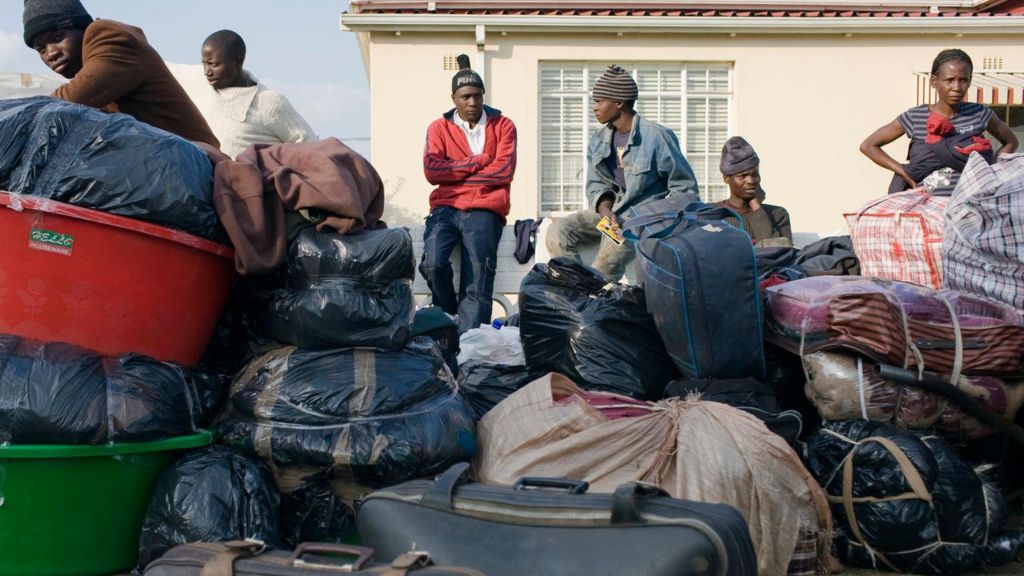
By official estimates, approximately 25,000 African migrants have fled South Africa since the unrest began. For Nigeria alone, more than 600 citizens have already been repatriated on government-organized flights, with hundreds more still waiting for evacuation near the Nigerian High Commission in Pretoria, the South African capital.
Nigerian officials have confirmed they will pursue compensation through diplomatic channels with South Africa, with discussions planned between the two countries’ top leadership. “We have not severed ties with South Africa, we are still engaging them at the highest level, we will sort those details using our usual diplomatic channels,” Kimiebi Imomotimi Ebienfa, spokesperson for Nigeria’s foreign ministry, told the BBC. Acting Nigerian High Commissioner Alexander Ajayi told local South African media that authorities have already started the process of cataloging abandoned assets, including businesses, vehicles and both movable and immovable property left behind by fleeing Nigerians. All claims will be fully verified before a formal compensation demand is submitted, Ebienfa added.
One of the evacuees waiting for repatriation, 32-year-old Nigerian trader Oghodero Erejor Wilson, shared his experience of abandoning nearly a decade of life built in South Africa. Wilson, who ran a successful clothing shop in Centurion, Gauteng province, told the BBC he closed his business and fled to Pretoria after threats left him fearing for his personal safety. His residency permit expired in 2021, and he was unable to renew it, leaving him in an undocumented status. Wilson estimates he lost roughly 16,000 rand ($975) worth of inventory and abandoned all his personal belongings, including his clothing and furniture. He told reporters he holds little hope of receiving compensation, saying: “If South Africa government can compensate it, it will be nice, but I know they won’t.” Wilson is scheduled to board the next repatriation flight to Nigeria on Friday.
South African authorities have stated that all repatriated Nigerian citizens were in the country illegally, a claim Nigerian officials have publicly disputed. The BBC has requested comment from the South African government on Nigeria’s upcoming compensation demand, and no response had been issued at the time of reporting.