As the United Kingdom’s controversial National Security (State Threats) Bill races toward final parliamentary approval this week, independent security and legal experts have issued stark warnings that the sweeping legislation could inadvertently criminalize foreign correspondents and non-governmental organization (NGO) workers who interact with state-backed groups designated as threats under the new law.
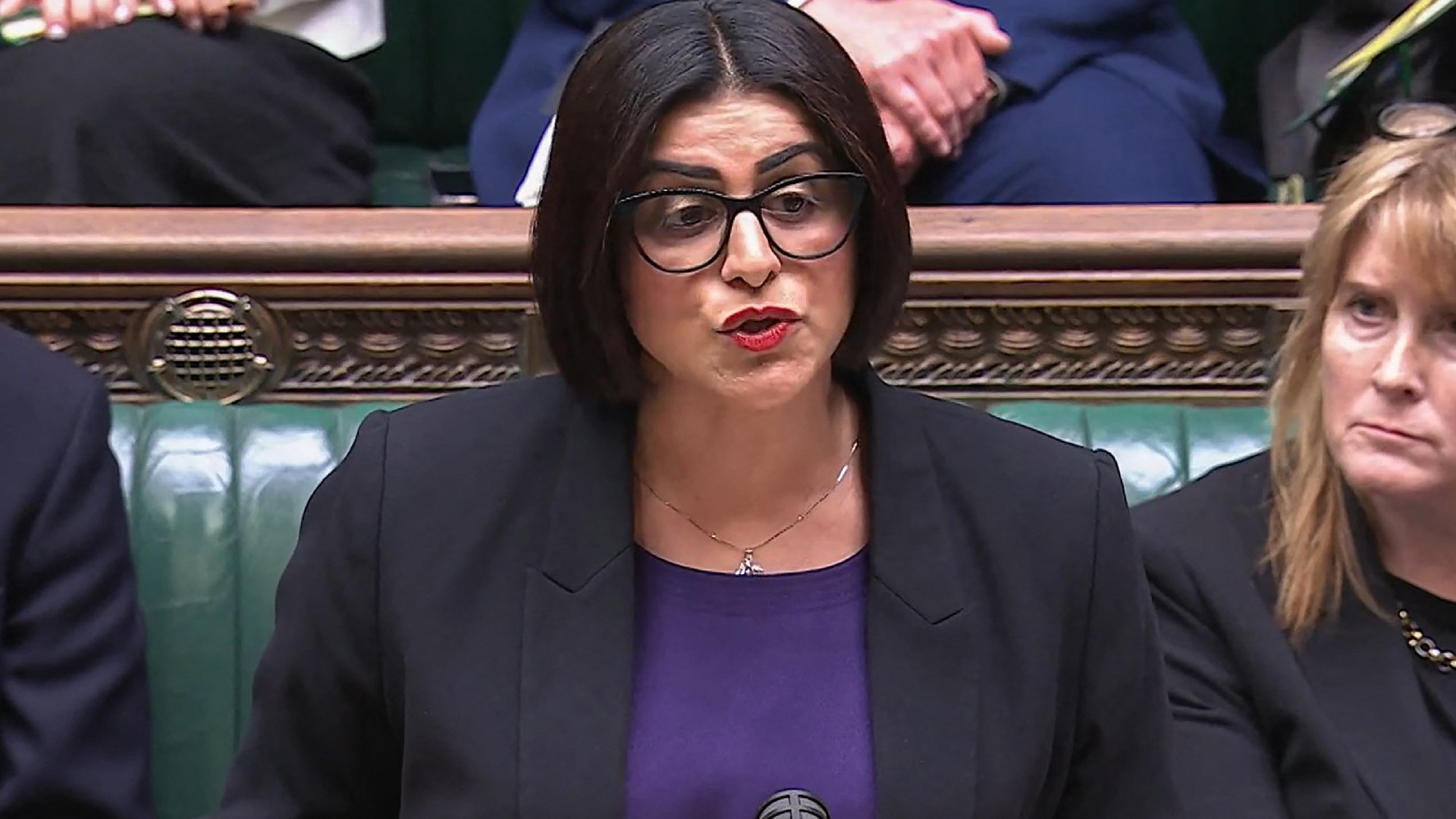
The bill grants UK Home Secretary Shabana Mahmood broad authority to label any state-backed organization that is judged to harm the UK’s national safety and core interests as an official threat. Under its provisions, anyone found to “support, assist, or obtain material benefits” — including information — from a designated proscribed group commits a criminal offense, carrying a maximum penalty of 14 years in prison. Most notably, the legislation explicitly rules out a “reasonable excuse” defense for these offenses, a provision that critics say creates dangerous gaps in protection for legitimate public-facing work.
Former independent reviewer of UK terrorism legislation David Anderson has emerged as one of the most prominent critics of the bill, arguing that the proposed legislation contains effectively no safeguards for reporters working in conflict zones and sensitive international beats. Writing for The Guardian, Anderson noted that promised protections for both journalists and NGO workers are largely missing from the final draft of the bill. He added: “Foreign correspondents could also be affected. Indeed on the face of it, they would be at risk of prosecution if they were to have contact of any kind with sources within designated bodies or their agents.”
In an attempt to address growing criticism, cabinet ministers have argued that only information “which possesses an inherent value that enriches the recipient” is banned under the legislation. But Anderson pushed back against this claim, pointing out that the bill’s formal definition of “material benefit” explicitly categorizes information as a separate category from financial gain, meaning even routine reporting that relies on sourcing from designated groups could fall afoul of the law. The UK government also rejected a formal recommendation from current independent terrorism legislation reviewer Jonathan Hall, who called for the “reasonable excuse” defense to be expanded to cover cases involving information gathering for journalistic work.
UK Home Office officials have pushed back against critics, insisting that the bill does not target the work of professional journalists. A spokesperson for the department said: “This bill does nothing to undermine the vital work journalists do, and any suggestion otherwise is absolutely false. Legitimate activity including journalistic freedoms are protected under the bill, as well as diplomatic and humanitarian engagement. We have a proud tradition in this country of upholding the freedom of the press. Indeed, it is our obligation to ensure journalists are empowered to carry out their work.”
But beyond the risks to press freedom, critics warn that the bill’s vague language around key terms including “foreign power threat activity” and “expressing support” creates the opening for authorities to weaponize the legislation to restrict peaceful protest rights. Many critics have also highlighted the unusually fast pace of the bill’s passage through parliament as a major red flag, arguing that the rushed process prevents robust scrutiny of its far-reaching implications.
Former Labour Party leader Jeremy Corbyn amplified these concerns in a formal statement released on June 17, describing the bill as “an alarming expansion of state power, and an escalation of the government’s chilling assault on the right to protest.” Corbyn argued that the legislation’s deliberately vague and open-ended wording allows the home secretary to unilaterally criminalize political campaigns that the government of the day opposes. He pointed to recent mass arrests of activists under existing terrorism legislation as evidence of the risk of overreach: more than 3,000 people have been arrested under the Terrorism Act for expressing support for proscribed Palestinian advocacy group Palestine Action, after the group was banned in July 2025. Earlier this month, five senior judges overturned an earlier February High Court ruling that had found the proscription of Palestine Action to be unlawful, a decision that has added to fears of expanded crackdowns on protest under the new national security law.