On Tuesday, thousands of South African protesters took to the streets across multiple provinces of the country, joining organized demonstrations demanding the immediate departure of all undocumented migrants from the nation’s borders. The demonstration, organized by several prominent local anti-illegal-immigration groups, set Tuesday as a non-negotiable deadline for all unauthorized migrants to leave South Africa, a framing that has put the country on edge amid lingering memories of violent unrest tied to similar past actions.
The organizing coalitions behind the protests, which include high-profile movements such as March and March, Operation Dudula, and Progressive Forces, argue that undocumented migrants exacerbate South Africa’s persistent systemic challenges. Protesters claim that migrants’ willingness to accept lower wage levels pushes native South African workers out of formal employment, while also blaming unauthorized immigration for driving spikes in violent crime and other social ills across the country. Bongani Cindi, one protester participating in the Johannesburg demonstrations, pushed back against common criticism that the movement is rooted in xenophobia, saying the groups are only raising legitimate concerns about domestic challenges. “We are not fighting anyone,” Cindi noted. “Our country has got a lot of problems. We have influx of illegal immigrants who are committing crimes that we can’t even take anymore. So we need them to leave us in peace, so we can sort our house.” Another Johannesburg protester, Nkele Thebe, echoed this sentiment, saying “After today, we’ll be dealing with our president and our nation. We don’t want an outsider to come interfere.”
This self-imposed deadline has not received any official recognition from South Africa’s national government, which has stressed that only formal state authorities hold the legal power to enforce the country’s existing immigration regulations. Ahead of the protests, President Cyril Ramaphosa held a closed-door meeting with leaders of several participating groups on Monday night, where he urged organizers and attendees to commit to peaceful, lawful demonstration action.
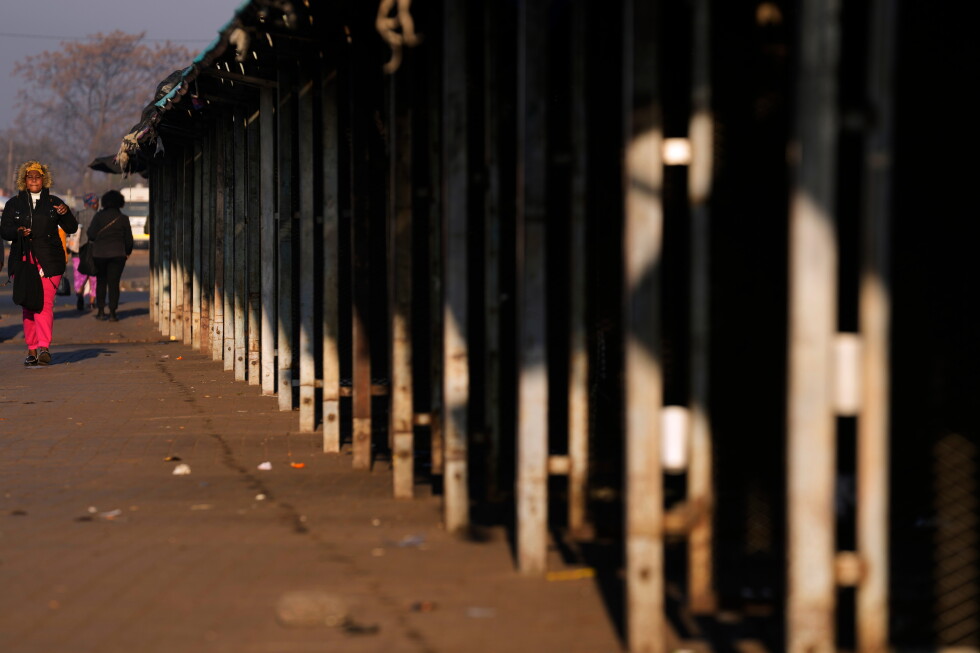
Despite the call for calm, security officials have taken extensive precautions to prevent a repeat of the violence that marred previous anti-immigration protests, when migrant-owned properties were targeted, foreign national businesses were vandalized, and public infrastructure was destroyed in unrest. South African police have deployed hundreds of trained officers to major protest hotspots, including the Gauteng provincial hub of Johannesburg, the KwaZulu-Natal coastal city of Durban, and Eastern Cape province, where past anti-immigration demonstrations turned deadly. Private security teams have also been deployed to at-risk areas to supplement official police resources. As of Tuesday morning, early reports confirmed gatherings of protesters in parts of Durban, as well as additional mobilization across North West and Free State provinces. In Johannesburg, many foreign-owned small businesses preemptively closed their doors ahead of expected protest activity.
The threat of renewed violence has already triggered a wave of voluntary repatriation among thousands of undocumented migrants, the vast majority of whom originate from neighboring southern African nations Zimbabwe and Malawi. Migrants have flocked to their respective national embassies and consulates across South Africa to request emergency transportation back to their home countries. Border crossing data shows a sharp increase in traffic at the Beitbridge border checkpoint connecting South Africa to Zimbabwe, with multiple daily buses carrying returning migrants departing South Africa. In Durban, thousands of Malawian citizens have already exited the country through a temporary repatriation center set up to process returning nationals.