A high-profile controversy has erupted in India over a national electoral roll revision exercise that has stripped a veteran former newspaper editor of his voting rights and blocked his passport renewal, drawing sharp condemnation from the country’s leading organization of editors and sparking widespread outrage across political and media circles.
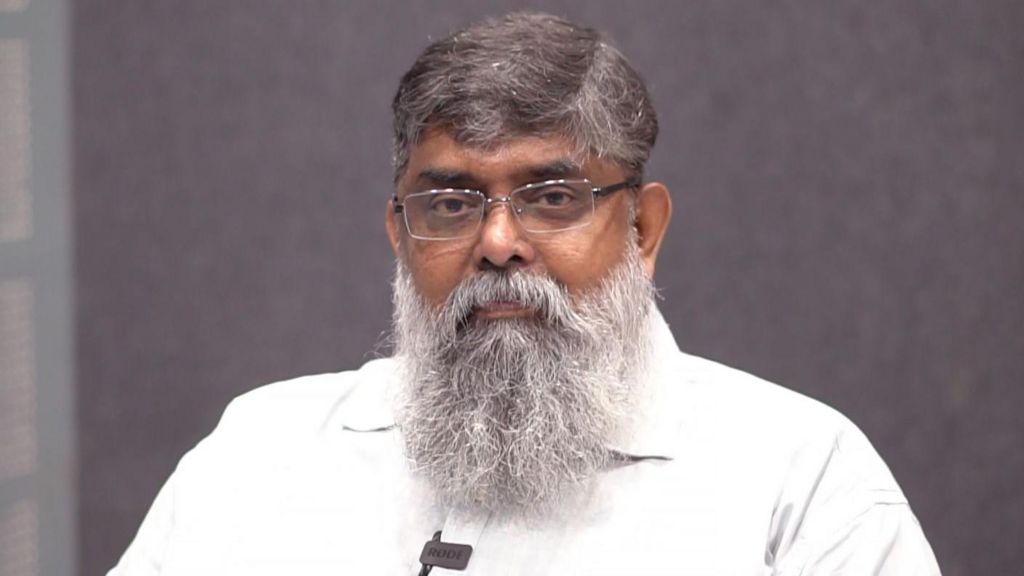
R Rajagopal, who served as editor of the widely read Kolkata-based daily *The Telegraph* from 2016 to 2023, is one of millions of voters affected by the Election Commission of India’s (ECI) Special Intensive Revision (SIR), a nationwide effort launched to remove ineligible entries from voter registries. The exercise, which kicked off in November 2025 across 12 Indian states and union territories, has already resulted in roughly 60 million names being struck from electoral rolls, with nearly 9 million of those deletions coming from Rajagopal’s home state of West Bengal alone. A second phase of the revision is currently ongoing in 16 additional states and three union territories.
In a personal account published by Indian news outlet *The Wire*, Rajagopal detailed that despite being a registered voter in Kolkata’s Ballygunge constituency since 2010 and residing in the area for over 25 years, his name was removed from the roll during the SIR process. The revision cross-references all current voter records against the 2002 national electoral roll—the last time a nationwide update of this scale was conducted—and Rajagopal’s entry was cut because neither his nor his father’s name appeared in the 2002 rolls. Even after submitting his matriculation certificate as proof of residency and identity to dispute the deletion, he says he received no formal explanation for the exclusion, and his appeal remains pending before a special tribunal established per Supreme Court guidelines.
The fallout from the deletion extended far beyond losing his voting right: Rajagopal revealed that regional authorities have halted the police verification required for his passport renewal, explicitly citing his removal from the electoral roll as the reason. The veteran editor noted he has been unable to find any official regulation that lists a valid voter ID as a mandatory requirement for passport renewal, leaving his application in limbo with no clear timeline for resolution.
The Editors Guild of India, the country’s leading journalists’ advocacy body, issued a formal statement on Sunday condemning the incident and using Rajagopal’s case to highlight broader flaws in the SIR process. “If an influential public figure like Rajagopal could be stripped of his voting rights, the plight of ordinary Indians was likely to be far worse,” the organization said, adding that the case exposes the unnecessary hardship the SIR has imposed on millions of eligible voters across the country.
Critics of the electoral revision have long argued that the ECI’s process has wrongly disenfranchised millions of valid, eligible Indian voters—a claim the commission has repeatedly rejected. The ECI has not issued any public response to the specific allegations raised by Rajagopal, and representatives from the ECI have not yet responded to requests for comment from the BBC.
Rajagopal’s case has quickly gone viral on Indian social media, drawing widespread expressions of solidarity from journalists, opposition politicians, and public figures. Veteran journalist Rajdeep Sardesai wrote on X that he stood in full solidarity with Rajagopal, noting “Scary part is this could happen to anyone!” Congress party spokesperson Supriya Shrinate claimed that Rajagopal was targeted as retaliation for his independent journalism and his work demanding accountability from the government. MA Baby, General Secretary of the Communist Party of India (Marxist), added that his party had long warned the SIR process would disenfranchise poor and marginalized communities, saying “But now, even an editor of repute and an acclaimed journalist like R Rajagopal has been denied his right to vote.” Rajagopal himself echoed that sentiment, noting that if a well-known professional journalist can face these barriers, the situation for ordinary marginalized voters must be far more dire. Thousands of affected voters, Rajagopal included, have already filed legal appeals to challenge their removal from the West Bengal electoral rolls.