Two massive back-to-back earthquakes have unleashed unprecedented destruction across Venezuela, leaving hundreds of buildings flattened, more than 1,400 people confirmed dead, and tens of thousands unaccounted for as exhausted families and emergency workers race against time to pull survivors from rubble.
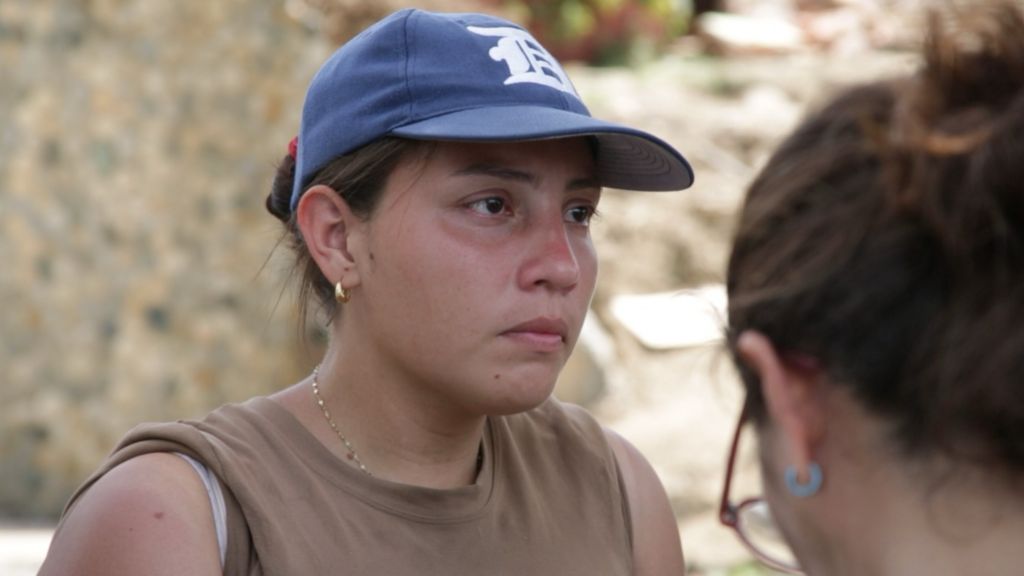
Among the countless grieving, waiting families is Andreina Valerio, who rushed straight from her workplace to La Guaira — the coastal hard-hit region where her 21-month-old son Santiago was staying with her partner Ramsés Mendoza and his extended family at an in-law’s apartment. By the time she arrived, the multi-story building had collapsed into a pile of concrete and twisted rebar, with her entire family trapped beneath the wreckage.
Speaking to reporters on the edge of the disaster site Saturday, Valerio said she has not abandoned hope that her son and his family will be found alive. Just days after the quake, she heard the faint cry of a baby coming from the rubble, while her brother-in-law Samuel Mendoza detected a woman’s faint plea for “help” a day earlier. “I still have faith my son is alive,” Valerio said. “I know my son will get through this, as will his family.”
Valerio and Mendoza are not alone in their desperate vigil: the collapsed building is also believed to hold two other trapped children — 9-year-old Lucas and 3-year-old Aranza. Across La Guaira, hundreds of other families have been digging through wreckage with their bare hands, deprived of sleep and left hoarse from calling out for trapped relatives, as infrastructure failures and limited resources slow large-scale rescue efforts.
Official data confirms the scale of the catastrophe: more than 1,400 buildings have been completely destroyed across La Guaira state alone, with over 3,200 people injured nationwide. Jorge Rodríguez, president of Venezuela’s National Assembly, described the disaster as “the most disastrous event this republic has suffered in the last 123 years,” labeling the region’s damage as “tremendous devastation.” Interim President Delcy Rodríguez has deployed 14,000 police and military personnel to the state, which has been militarized to maintain public order and safety, with travel to the affected region officially discouraged.
On the ground, rescue operations have been hampered by crumbling, blocked roads that delayed the arrival of heavy excavation equipment for hours. Ambulances have been unable to navigate gridlocked streets, forcing injured survivors to be transported to care on the backs of motorbikes, particularly after a key bridge collapsed. Early Saturday, international rescue teams from El Salvador and Spain arrived at the La Guaira site where Valerio’s family is trapped, but access issues initially prevented them from entering the rubble. By end of day Saturday, no survivors had been pulled from that specific building, though teams from 10 total nations were expected to join the response effort across the country.
Community solidarity has filled gaps left by overwhelmed official services: neighbors and volunteers from across Venezuela have flocked to La Guaira, distributing donated medicine, clothing, and food to displaced families. Relatives of missing people have set up makeshift camps along the streets near collapsed buildings, refusing to leave out of fear that authorities will block access to the sites and cut off any chance of recovering their loved ones. At the main hospital in Caracas, which has received more than 600 injured survivors, most with serious bone fractures, medical staff are also addressing widespread psychological trauma, with many patients experiencing severe panic attacks. Family members have posted handcrafted posters of missing loved ones outside the hospital next to official lists of the dead and injured, desperate for any information.
The disaster has laid bare Venezuela’s long-standing vulnerability to large-scale emergencies, after years of repeated political and economic crises that have strained public infrastructure and response capacity. As of Saturday, power has been restored to 60% of La Guaira, but rescue workers and families face a race against the clock, with the odds of finding surviving trapped people dropping by the hour in the sweltering tropical heat.