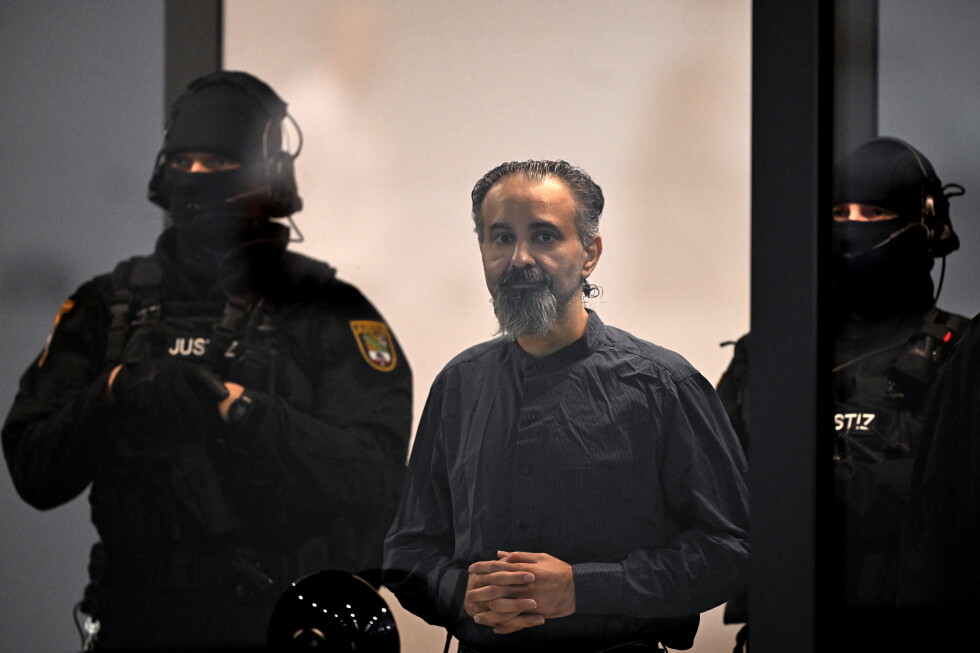
BERLIN – A German court has delivered a final verdict in one of the most high-profile violent attacks in recent German history, convicting a Saudi-born doctor of murder and imposing a life sentence without the possibility of early release after 15 years, the standard sentence provision in German criminal law. The conviction stems from a devastating December 2024 car-ramming attack on a crowded Christmas market in the eastern German city of Magdeburg that left six people dead and dozens injured.
The defendant, 51-year-old Taleb al-Abdulmohsen, went on trial at Magdeburg’s state court in November, with prosecutors laying out a detailed account of the premeditated attack that unfolded over just 61 seconds. According to official investigation findings, al-Abdulmohsen carried out the assault using a rented BMW X3, which he drove at speeds reaching 30 miles per hour through the gathering of holiday shoppers and visitors. Investigators confirmed the 51-year-old was sober at the time of the attack, and that he acted entirely alone with no co-conspirators involved in the planning.
Court officials confirmed the jury found al-Abdulmohsen carried “particularly serious” culpability for the attack, a ruling that strips him of the eligibility for early parole after 15 years that typically applies to life sentences in Germany. Five women and one 10-year-old boy were killed in the rampage, with many more survivors sustaining life-altering injuries that have had lasting impacts on their families and the wider Magdeburg community.
Investigators have established that al-Abdulmohsen’s motive stemmed from deep personal anger over the outcome of a civil legal dispute and repeated dismissals of his criminal complaints, rather than ideological extremist direction. While the defendant does not fit the typical profile of a religious extremist attacker, investigators noted he publicly identified as an ex-Muslim highly critical of Islam, and expressed open support for far-right ideologies on social media platforms. German authorities had previously interacted with al-Abdulmohsen over reported threatening behavior, but he had no prior documented history of violent offenses before the 2024 attack. Al-Abdulmohsen first relocated to Germany in 2006 and held permanent residency status in the country at the time of the attack.
The deadly Magdeburg attack became a turning point in German national politics, as it was one of a string of high-profile violent incidents involving immigrant perpetrators that pushed the issue of migration policy to the center of public debate ahead of Germany’s February 2025 federal national election. The verdict closes a key chapter in the legal aftermath of the attack, though it has left ongoing conversations about immigration regulation, threat assessment, and public safety in crowded public spaces unresolved across the country.