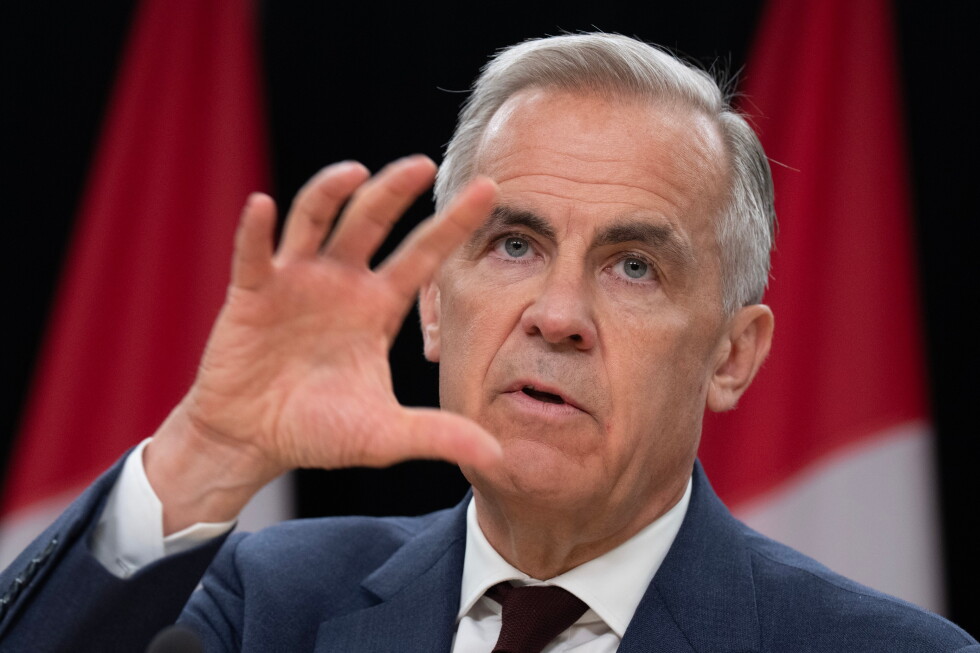
TORONTO – In a sharp break from decades of previous policy put in place by prior Canadian administrations, Prime Minister Mark Carney has publicly called for Canada to reverse course and reopen its long-closed diplomatic missions in Iran and Venezuela, arguing that the current lack of on-the-ground presence undermines core Canadian government responsibilities to its citizens and global humanitarian response efforts.
Speaking to reporters on Thursday, Carney emphasized that even as Ottawa maintains sharp, fundamental disagreements with the governments of both nations, the absence of formal diplomatic posts creates unnecessary barriers that hurt both Canadian travelers and residents abroad, as well as Canada’s ability to respond quickly to unfolding emergencies. “Engagement is not endorsement,” Carney clarified. “Maintaining an embassy and delivering consular services within a country does not equate to our approval of that government’s policies.”
The closure of Canada’s diplomatic footprint in the two countries dates back more than a decade for Iran, and five years for Venezuela. In 2012, former Conservative Prime Minister Stephen Harper severed full diplomatic ties with Iran, closed the Canadian embassy in Tehran, and expelled all Iranian diplomats from Canada, labeling the Islamic Republic the single most significant threat to global peace at the time. For Venezuela, Canada suspended embassy operations in Caracas in 2019, after the government of then-president Nicolás Maduro refused to renew work visas for Canadian diplomatic staff.
Carney pointed specifically to recent events in Venezuela to illustrate the costs of the current policy. When a major earthquake struck the country, Canada was unable to deliver rapid, on-the-ground assistance that an active embassy would have enabled, he said. Beyond the immediate disaster response, Carney noted that the lack of diplomatic representation puts Canada at a structural disadvantage when it comes to supporting its own citizens who are living or traveling in these countries.
“There are a number of countries where, to put it mildly, we do not see eye to eye on policy, and we currently have no official representation on the ground,” Carney said. “This situation puts us at a disadvantage, first and foremost when it comes to assisting Canadians who are present in these countries.”
While Carney stressed that no final formal decision to reopen the embassies has been issued, he made clear that the status quo is untenable for his administration. “In my judgement, moving toward this, making a decision to reopen, is exactly what we need to do,” he said. Carney added that the current arrangement, while rooted in understandable policy differences, means Canada is failing to live up to a core basic responsibility of sovereign government. “There is an ongoing severe humanitarian crisis in Venezuela, and there is a need for rapid action, so in my view we have to change how we are approaching this,” he said.
In a separate announcement Thursday, Carney revealed that U.S. President Donald Trump held a phone call with him on Wednesday to discuss a range of pressing international topics, including the upcoming NATO summit scheduled for next month, as well as ongoing tensions and developments involving Iran and the broader Middle East region. U.S. Defense Secretary Pete Hegseth and other senior U.S. administration officials joined the call, Carney confirmed.