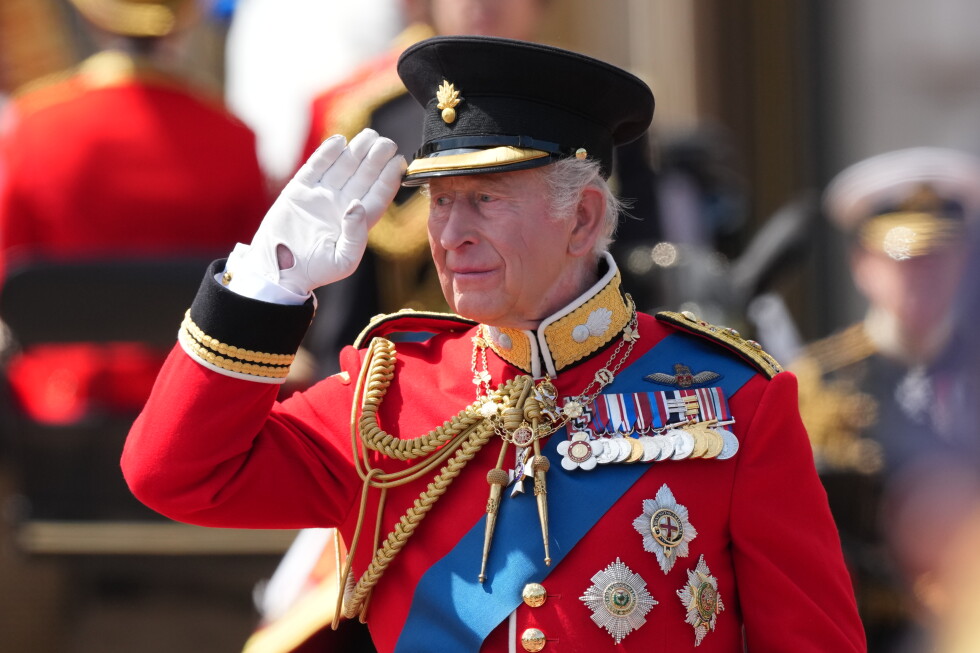
LONDON — In a landmark step for royal accountability that comes amid growing public and political demands for openness around the British monarchy’s finances, King Charles III is set to become the first reigning British monarch to publicly release details of his personal tax bill this Thursday. The unprecedented move follows months of negative headlines centered on the king’s disgraced younger brother, Andrew Mountbatten-Windsor, the former Prince Andrew stripped of all royal titles amid an ongoing misconduct investigation.
Multiple British media outlets confirmed over the weekend that the tax details will be made public as part of Buckingham Palace’s annual briefing on the Sovereign Grant, the public funding mechanism that covers the monarchy’s official operational costs. Last year’s annual report ran 159 pages, detailing how the palace allocated the £86.3 million ($113.7 million) it received from British taxpayers, including a multi-million pound portion allocated to the extensive ongoing renovation of Buckingham Palace itself.
While Charles previously published his tax payment details when he held the title of Prince of Wales, this release marks the first time he has shared this information since ascending to the throne following Queen Elizabeth II’s death in September 2022. His eldest son and heir, Prince William, the current Prince of Wales, has announced he will mirror this new level of transparency with a separate public briefing of his own tax records.
The push for greater institutional openness gained momentum after a series of damaging revelations about Andrew Mountbatten-Windsor, who was stripped of his royal patronages and titles in 2025. Mountbatten-Windsor, who has longstanding ties to convicted sex offender Jeffrey Epstein, is currently under active investigation by UK police for potential misconduct in public office. Recent reports have also uncovered that he generated personal income by subletting cottages on a sprawling royal estate he occupied rent-free for years, prompting further public anger over royal privilege and lack of accountability.
Citing anonymous palace sources, the BBC reported that the decision to release tax records was a personal choice made by King Charles, part of a broader push to “encourage wider understanding and accountability” for the monarchy. Long before the Andrew scandal erupted into public view, Charles had already pledged to streamline the monarchy, reduce unnecessary operational costs, and modernize the 1,000-year-old hereditary institution as public debate grows over the role of a monarchy in 21st-century British democracy.
Unlike ordinary British citizens, the reigning monarch is not legally required to pay income tax, but Charles voluntarily pays tax on all his private income. This precedent was first set by his mother, Queen Elizabeth II, who began voluntarily paying taxes in 1993 following widespread public outrage over the use of public funds to restore Windsor Castle after a devastating 1992 fire. The voluntary tax arrangement is formalized through a confidential memorandum of understanding between the British government and the Crown, which still guarantees Charles the same personal privacy protections for his tax affairs that any other British taxpayer receives, outside of the details being released voluntarily this week.
Charles ranks 230th on the Sunday Times’ 2025 list of Britain’s richest people, with an estimated personal net worth of £680 million ($896 million). His private income draws from two major privately owned royal estates — the 50,000-acre Balmoral Estate in Scotland, home to the king’s traditional summer retreat Balmoral Castle, which operates public tourism offerings including guided tours, hospitality and golf courses, and the 20,000-acre Sandringham Estate, a coastal country retreat in eastern England where much of the land is managed for commercial farming by the estate or tenant farmers. Charles also draws private income from personal savings and investment holdings. The upcoming release will only cover taxes paid on this private income; no tax will be reported for funds from the Sovereign Grant or other revenue allocated exclusively to official royal duties, as these are not taxed under the existing agreement.
For Prince William, the primary source of private income is the Duchy of Cornwall, a centuries-old trust holding a portfolio of land and investments that passes to the current reigning Prince of Wales. The Duchy controls roughly 130,000 acres of land across the UK, and reported a net profit of £22.9 million ($30.2 million) in its last fiscal year. The Duchy is overseen by an independent board of directors, and all major strategic decisions require formal approval from the UK Treasury.