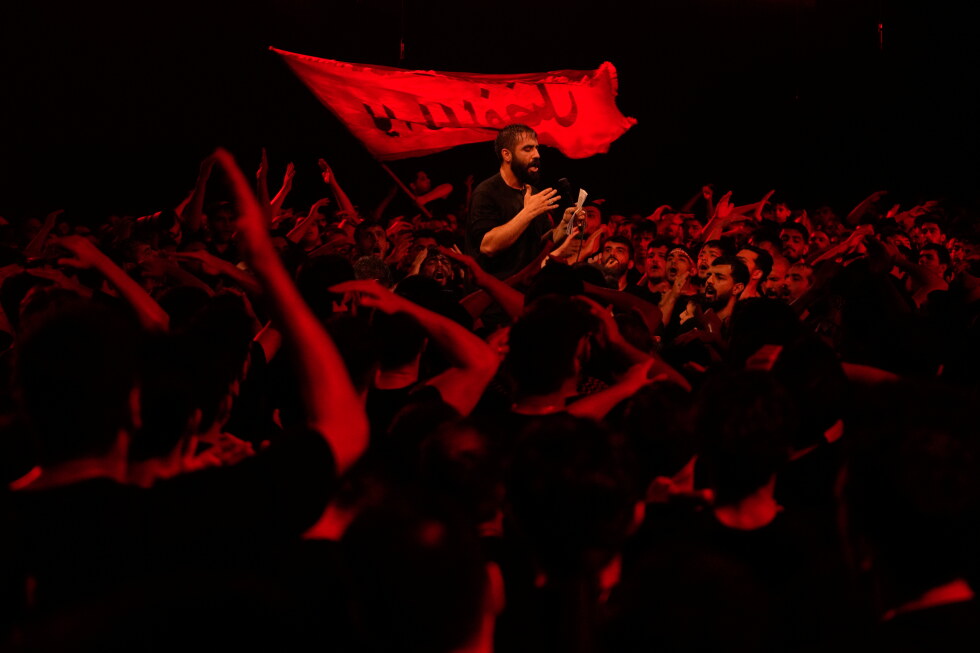
Across the globe, millions of Shiite Muslims gathered on Thursday to observe Ashoura, the holiest day on their religious calendar, a commemoration steeped in meaning of sacrifice and resistance against oppression that carries unprecedented emotional weight this year, following months of devastating open conflict across Iran and Lebanon.
Rooted in 7th-century Islamic history, Ashoura honors the martyrdom of Imam Hussein, the grandson of the Prophet Muhammad, who was killed alongside his family and close companions at the 680 CE Battle of Karbala after refusing to swear loyalty to the ruling Umayyad caliphate. The event’s legacy shaped the centuries-long schism between Sunni and Shiite Islam, and it endures today as one of the faith’s most potent symbols of standing against injustice.
This year’s observance comes at a defining turning point for the Middle East. Just days ahead of the scheduled funeral procession for Iran’s long-serving supreme leader Ayatollah Ali Khamenei, who was killed in an Israeli airstrike on February 28, the opening day of the ongoing regional war, the timing has amplified the day’s themes of loss and resistance. Khamenei, 86, was not only Iran’s highest political authority and ultimate arbiter of religious doctrine, but also a figure revered by millions of Shiite believers across the world. This week, Iranian and U.S. negotiators have convened talks to work toward finalizing a fragile ceasefire that could end months of active hostilities.
The war has spilled across borders into Lebanon, where Iran’s key regional ally, the Shiite militant group Hezbollah, entered the conflict within days of its outbreak, launching rocket barrages into northern Israel in solidarity with Tehran. The retaliation from Israel has been severe: widespread aerial bombardment and a limited ground incursion that reduced large swathes of majority-Shiite areas in southern Lebanon and Beirut’s southern suburbs to rubble. As this year’s Ashoura is observed, more than one million displaced Lebanese residents are attempting to return to their destroyed hometowns, and religious gatherings have been held against a backdrop of collapsed buildings and widespread ruin.
In the coastal Lebanese city of Tyre, families who lost loved ones — whether fighting alongside Hezbollah or serving as civilian paramedics — gathered for early pre-Ashoura sermons, weeping as clerics framed the current conflict through the lens of Imam Hussein’s legacy. Between portraits of new Iranian Supreme Leader Mojtaba Khamenei and Hezbollah Secretary-General Naim Kassem, one cleric drew a direct parallel between the struggle facing modern Shiite leaders and the sacrifice of Hussein and his followers at Karbala. Red and black banners emblazoned with Hussein’s name line streets across the region, and in Beirut’s southern suburbs, worshippers have flocked in large numbers to the grave of former Hezbollah leader Hassan Nasrallah, who was killed in an Israeli strike in September 2024.
Thousands of miles away in Pakistan, which is home to a large Shiite minority living within a predominantly Sunni nation, security officials have deployed thousands of police and paramilitary forces to protect Ashoura gatherings, following intelligence warnings of planned militant attacks on worshippers. Though most Sunni and Shiite communities in Pakistan coexist peacefully, sectarian militant groups have repeatedly targeted Shiite religious sites and gatherings over the years, carrying out attacks that have killed hundreds of people. To counter potential threats, authorities have announced temporary mobile phone service suspensions in high-risk areas during processions.
For many worshippers, the ancient symbolism of Ashoura feels particularly resonant amid today’s turmoil. “Imam Hussein is a symbol of the highest struggle and sacrifice,” said Saadia Shah, 33, who attended a gathering in the eastern Pakistani city of Lahore alongside her two children. “His name gives us the courage to stand up to tyranny, to say what is right and oppose what is wrong.”
Associated Press journalist Munir Ahmed contributed reporting from Islamabad, Pakistan.