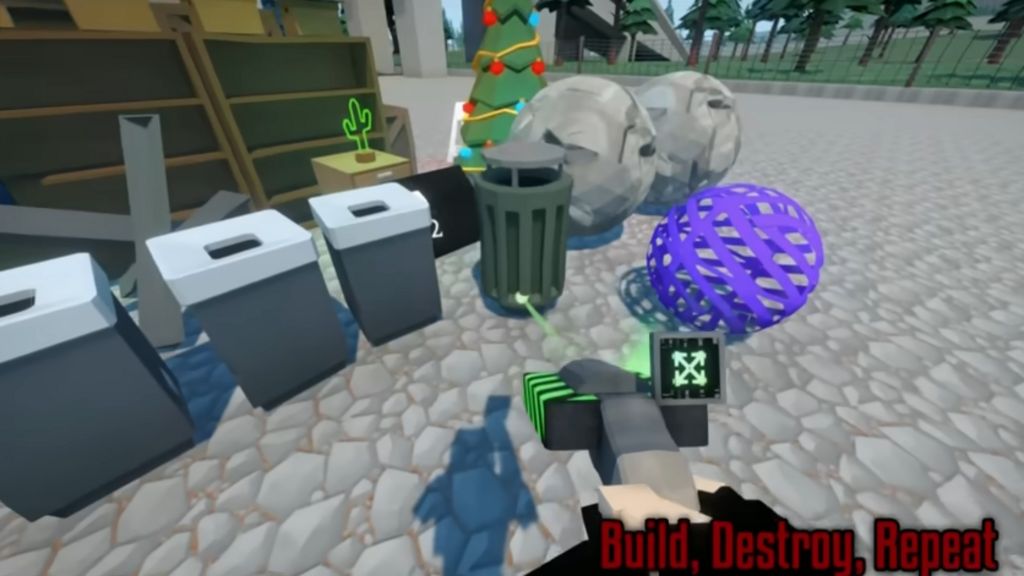
A horrific mass shooting at a Philippine high school that left three students dead and 20 more wounded has triggered an immediate government response, including a temporary ban on the ultra-violent video game Gorebox linked to one of the underage suspects.
The attack, which unfolded on Monday at San Jose National High School in Tacloban, a city in southeastern Manila still known for the devastating 2013 Super Typhoon Haiyan that killed thousands, marks a deeply unusual incident in the country: while gun-related crime occurs regularly, mass school shootings carried out by minors are extremely rare. Police have confirmed the two attackers are aged 15 and 14, with the younger suspect documented as an active player of Gorebox, a first-person shooter developed by German studio F2Games.
According to the game’s own listing on Google Play, Gorebox markets itself as a space where “creativity meets unrestrained destruction”, allowing players to “obliterate anything [they] desire” and engage in brutal combat using a wide arsenal of firearms and explosives. The International Age Rating Coalition has already assigned Gorebox an R18 rating, restricting it exclusively to adult players due to its extremely violent, explicit and unregulated content. Philippine law enforcement say the 14-year-old suspect had been sharing violent content online, and investigators believe he was “heavily influenced” by violent online materials.
Within days of the shooting, Philippine cybersecurity authorities ordered the temporary block of Gorebox to facilitate a full investigation into any connection between the game and the attackers’ actions. “We cannot ignore possible online influences that may have contributed to this tragic incident,” the national cyber-security agency stated. Aboy Paraiso, undersecretary at the country’s Cybercrime Investigation and Coordinating Centre, explained that the temporary restriction will give authorities time to complete a thorough assessment of whether the game platform played any role in radicalizing the suspects. The BBC has reached out to F2Games for official comment on the allegations, and to date no conclusive scientific research has established a direct causal link between video game play and real-world violent behavior.
Legal proceedings and follow-up investigations have already moved forward. As of Tuesday evening, murder charges have been formally filed against the 15-year-old suspect. Under Philippine juvenile justice rules, the 14-year-old suspect is too young to face criminal charges. Investigations into how the minors obtained their weapons have also revealed damning gaps in gun regulation: the 9mm pistol the younger suspect used belonged to his aunt, a serving policewoman who has since been suspended from duty, while the .38 caliber weapon carried by the 15-year-old was registered to his grandfather’s private security firm. A preliminary investigation into the attackers’ motives found the pair claimed they had endured prolonged bullying at the school, and all evidence collected so far indicates the attack was carefully planned. The suspects locked themselves in a school bathroom before carrying out the shooting, according to Philippine National Police spokesman Allan Rae Co.
A close friend of the 15-year-old suspect, who spoke to the BBC on condition of anonymity, described the teen as unusually tense and unwilling to let insults from bullies go unchallenged. He often got into physical fights with peers who targeted him, and rejected advice to walk away from confrontations. The friend noted that the teen adopted military-style hairstyles and clothing, and appeared to have extensive knowledge of firearms, a likely influence from his grandfather’s work in the security industry. “I couldn’t think that someone could do such a heinous thing,” the friend told reporters.
The shooting has already sparked urgent calls for policy reform across the Philippines. Party-list congressman Chel Diokno of the Akbayan party is pushing for harsher penalties for any individual or entity that enables minors to access illegal firearms. Philippine senators have announced they will resume a stalled investigation into the impact of violent online content on youth mental health and behavior. Senator Risa Hontiveros argued that unregulated online platforms have become “nests for brainwashing and radicalising our youth”, stressing that authorities cannot wait for another tragedy to act. Joy Belmonte, mayor of the populous Quezon City, called for a national review of school security protocols, noting that regular active shooter drills and simulations are needed to prepare students and staff for potential incidents. Education Secretary Sonny Angara echoed these concerns, saying the government does not want to see the kind of repeated copycat school shooting incidents that have become a public health crisis in the United States take root in the Philippines.
This incident remains the deadliest school shooting involving minors in recent Philippine history, and it comes more than 15 years after the country’s worst ever mass shooting: the 2009 Maguindanao massacre, where a local mayor and his allies killed 58 people, most of them journalists covering a political dispute.