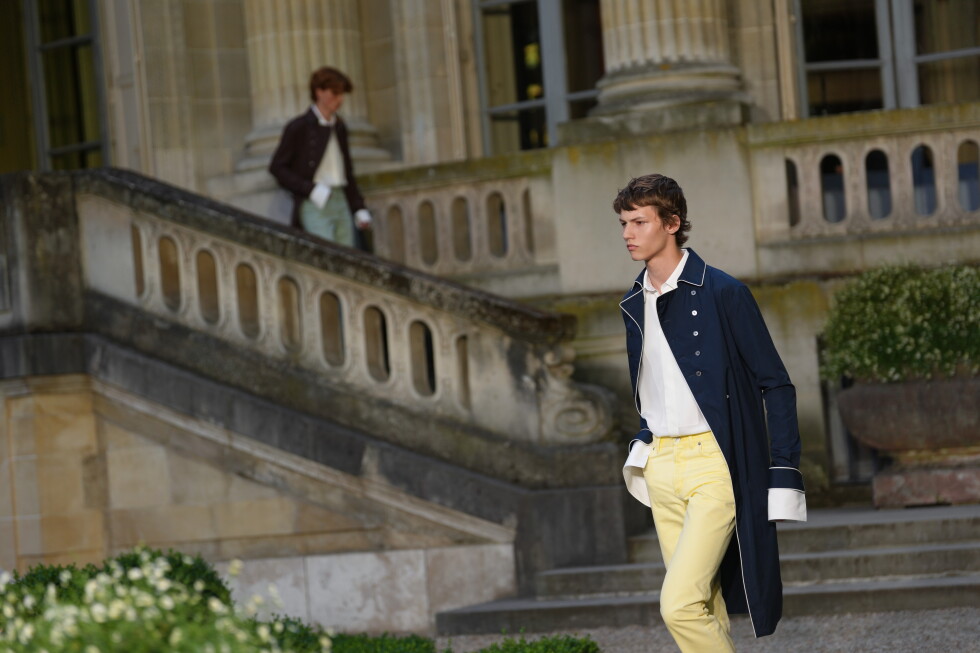
A record-breaking heatwave sweeping across large swathes of Western Europe has forced iconic luxury fashion house Dior to make an unusual last-minute adjustment to its Paris Fashion Week men’s show, rescheduling the event to an unprecedented 9 a.m. start time on Wednesday. Even the early-morning kickoff, however, was not enough to escape the soaring temperatures that have gripped the French capital this week. When invited guests began filing into the event venue, the historic Musée Nissim de Camondo, organizers had prepped small cooling comforts: cold damp towels, fresh strawberries, and portable parasols were distributed to attendees at the entrance to help beat the heat. Inside the stately 18th-century-inspired mansion, temperatures climbed steadily as the show got underway, leaving some guests visibly uncomfortable amid sweltering conditions, with potable water in short supply for the crowd. Despite the oppressive heat, the front row held true to Fashion Week tradition, boasting a star-studded guest list that included actor LaKeith Stanfield, musician Little Simz, actor James Marsden, Outerbanks star Drew Starkey, actor Mike Faist, rapper 070 Shake, actor Alexander Ludwig, and actor Sam Nivola. Northern Irish designer Jonathan Anderson, the creative lead for Dior Men, unveiled his latest ready-to-wear collection centered around a deliberate core concept: traditional high fashion formality unspooling and relaxing into something more casual and lived-in. Dior’s creative team framed the collection’s mood as “a soiree turning into a house party,” while Anderson himself described it as “something quite formal becoming undone.” The overarching narrative of the line was that the modern Dior man does not just arrive at an elite event; he stays from the night before through the messy, joyful aftermath of the morning after. Anderson opened the presentation with tailored suiting, a Dior staple, but reimagined it to feel lighter and less rigid than traditional formalwear. Classic suiting patterns including pinstripes and houndstooth were printed onto lightweight silk chiffon instead of being woven into heavy wool, creating a silhouette that retained the structure of formal wear while feeling ethereal and semi-transparent. The collection pushed Dior’s long-established brand codes into a grittier, more approachable territory. Sequined tailoring was shaped to resemble casual denim jeans, while ripped denim pieces were finished with delicate silver chain details. Traditional tuxedos were re-cut in loose, relaxed fits, and soft pink denim shorts were layered underneath structured formal outerwear. Standout accessories included crystalline statement sunglasses, sparkling disco-ball inspired boots, and patchworked shirts crafted from upcycled Japanese denim. The strongest pieces in the collection successfully balanced respect for Dior’s iconic heritage with intentional creative disruption. A recurring scarf motif was pulled directly from a 1979 Dior haute couture design, while fine silver embroidery took inspiration from the ornate detailing on 18th-century gentlemen’s formal coats. The collection’s disco boots were intentionally crafted to look slightly disheveled, decorated with tiny embroidered ladybird motifs scattered across the material. Far from rejecting Dior’s century-long legacy, the reworking of classic design elements was framed as a way to make heritage feel dynamic and relevant for a new generation. The choice of the Musée Nissim de Camondo as the event venue added unexpected depth and context to the collection. The mansion, which is currently closed to the public for major restoration work, was originally built to house Moïse de Camondo’s extensive collection of 18th-century French decorative arts — the same design era that deeply inspired Dior founder Christian Dior. Anderson’s exploration of loosened formality played perfectly against the space’s own “in-between” state of preservation and ongoing repair, a tension that Dior’s own show notes highlighted as core to the collection’s theme of beauty found in imperfection. The venue also carries a somber historical weight: Camondo’s only son died in combat during World War I, and multiple remaining members of the Camondo family were deported and murdered during the Holocaust. Today, the mansion operates both as a decorative arts museum and a quiet memorial to the family’s loss. Against this layered backdrop of history and change, the collection’s playful reimagining of classic Dior created a striking creative tension. Anderson pulled the house’s most recognizable signatures — the tuxedo, the iconic Bar jacket silhouette, couture hand embroidery, 18th-century decorative references — and recontextualized them into a younger, less polished aesthetic. The resulting presentation is widely regarded as one of Anderson’s clearest, most cohesive outings for Dior Men to date.