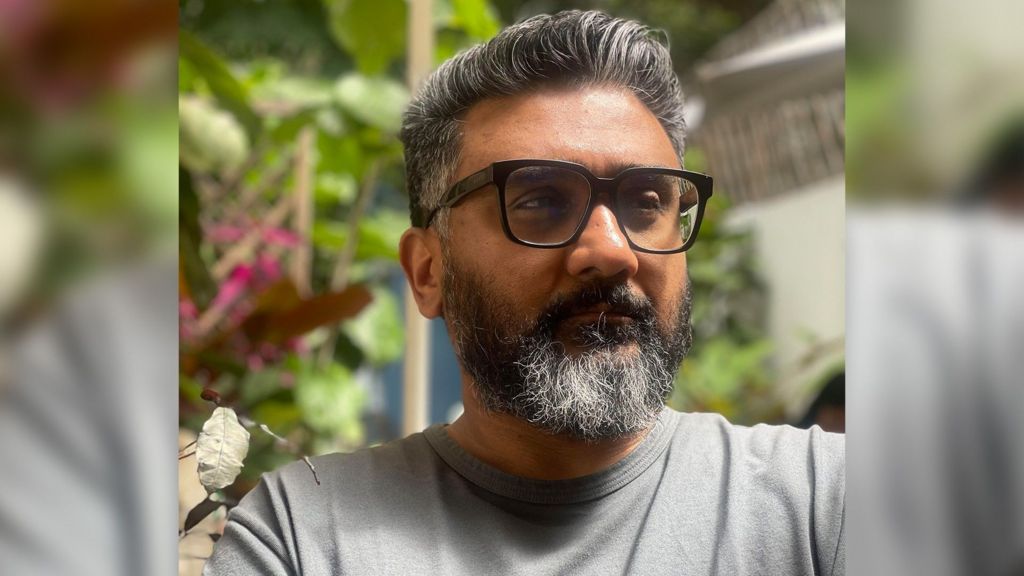
For years, Kunal Shah, the founder of Indian fintech unicorn Cred, was a well-respected figure mostly confined to India’s tight-knit startup and investment communities. Beyond building his own companies, he built a broad following through public appearances: his podcast conversations dive into nuanced topics from behavioral economics and incentive structures to wealth creation, while his social media commentary spans everything from artificial intelligence development to philosophical thought. Now, a surprise appointment from Meta has catapulted the Indian entrepreneur straight onto the global tech stage, after Meta named him the new head of its 3-billion-user messaging giant WhatsApp.
The leadership move comes on the heels of Meta’s $900 million investment in Cred, a deal that values the Indian fintech at approximately $4.5 billion — a modest step up from its previous funding round valuation, though still below the peak valuation it hit in 2022, per Reuters reporting. The appointment also aligns with WhatsApp’s ongoing strategic push to expand far beyond its core consumer messaging function, into new high-growth areas including digital payments, small and medium business tools, and AI-powered customer products.
What makes this appointment notable for the global tech industry is its break from recent trends. While a growing number of Indian-origin executives have risen to lead top global technology firms, Shah is rare in that he built his entire career within India’s domestic startup ecosystem before taking the reins of a massive global consumer platform of WhatsApp’s scale.
Shah’s path to leading WhatsApp started long before Meta reached out. Born and raised in Mumbai, he took an unconventional route to tech entrepreneurship, unlike many of India’s most high-profile tech founders who graduated from elite engineering and business schools. Instead, Shah studied philosophy in college — a choice he once shared with Indian entrepreneur Sanjeev Bikhchandani was driven by practicality: the discipline’s early morning class schedule let him work full-time to support his family after their business hit financial trouble. He worked a string of odd jobs while completing his degree, experiences that shaped his later approach to building businesses.
His first major industry breakthrough came in 2010, when he co-founded FreeCharge, a digital mobile recharge platform, at the very moment India’s consumer internet economy was starting to take off. The startup grew rapidly, and just five years later it was acquired by e-commerce firm Snapdeal in one of the largest Indian startup acquisitions of that era.
After stepping away from FreeCharge, Shah spent half a decade investing in early-stage Indian tech startups and advising founding teams, including stints as an advisor to legendary startup accelerator Y Combinator and leading venture capital firm Sequoia Capital. Through these roles, he became a deeply influential figure in the rapid expansion of India’s startup ecosystem, mentoring a whole generation of emerging tech founders.
In 2018, Shah launched his second major venture, Cred, built around a deceptively simple core value proposition: reward consumers for paying their credit card bills on time. Shah has repeatedly framed the company’s origins around his longstanding interest in trust and incentive structures, and over the years Cred expanded far beyond its core use case to add lending, insurance, e-commerce, and wealth management products. The brand became a household name across India, in large part thanks to viral ad campaigns that blended humor, nostalgia, and surprise celebrity appearances that resonated with young, digitally active consumers.
But Cred’s rapid growth has not come without controversy. For years, the fintech has drawn praise for its strong brand traction and user growth, while also facing persistent scrutiny over its path to profitability. Critics have argued that the company’s high valuations and investor enthusiasm outpace its actual financial performance, while supporters counter that many of the world’s most successful technology companies spent years operating at a loss to build scale and market presence. The debate reignited last year after a social media post questioned why unprofitable founders still receive widespread acclaim; Shah responded by acknowledging that profitable businesses deserve full recognition, but argued that entrepreneurship itself should be celebrated for the jobs it creates and the inherent risk founders take on.
To his supporters, Shah is the face of a generation of entrepreneurs that built India’s modern internet economy from the ground up, starting with early digital payments and maturing into world-class fintech. Shweta Rajpal Kohli, CEO of the Startup Policy Forum, who has collaborated with Shah on policy issues for years, described him to the BBC as having “a rare ability to bring a product lens to regulatory complexity, and a regulatory lens to product design,” adding, “His creativity and problem-solving instinct have been consistently fascinating.”
Industry observers note that Shah’s appointment is a natural fit for WhatsApp’s current strategic priorities: the platform is prioritizing expansion into payments, commerce, and business services — exactly the areas where Shah has spent 15 years building products, investing, and advising companies. India, which is already WhatsApp’s largest single market by user count, has been the center of Shah’s entire career, and he will make history as the first Indian to lead the global platform.
Yet Nikhil Pahwa, founder and editor of Indian tech publication MediaNama, argues that framing the appointment as purely a fintech play misses the bigger picture. “There’s a tendency to assume Shah was chosen for this role because of his background in fintech and payments. I think that’s too narrow a view,” Pahwa told the BBC. “He’s someone who has spent years thinking about products, consumer behaviour, incentives and growth. And in his businesses, payments have been a mechanism for consumer acquisition, so that products can be marketed to them. This looks less like a payments appointment and more like Meta choosing a founder with experience in scaling the business side of a consumer business.”
Meta has not shared full details on its decision to pick Shah for the role, but in the official announcement of the appointment, Meta CEO Mark Zuckerberg highlighted Shah’s “builder mentality” and “global perspective” as key factors in the choice. Those qualities will face a major test as Shah takes the helm: WhatsApp is aiming to deepen its footprint in payments, business tools, and AI products while serving more than three billion global users across every income and demographic group. The challenge is far different from anything Shah has faced before: at Cred, he built products for a niche audience of financially active consumers, with a secondary following among founders, investors, and tech enthusiasts. At WhatsApp, he will now lead a product used by billions of people across every walk of life.