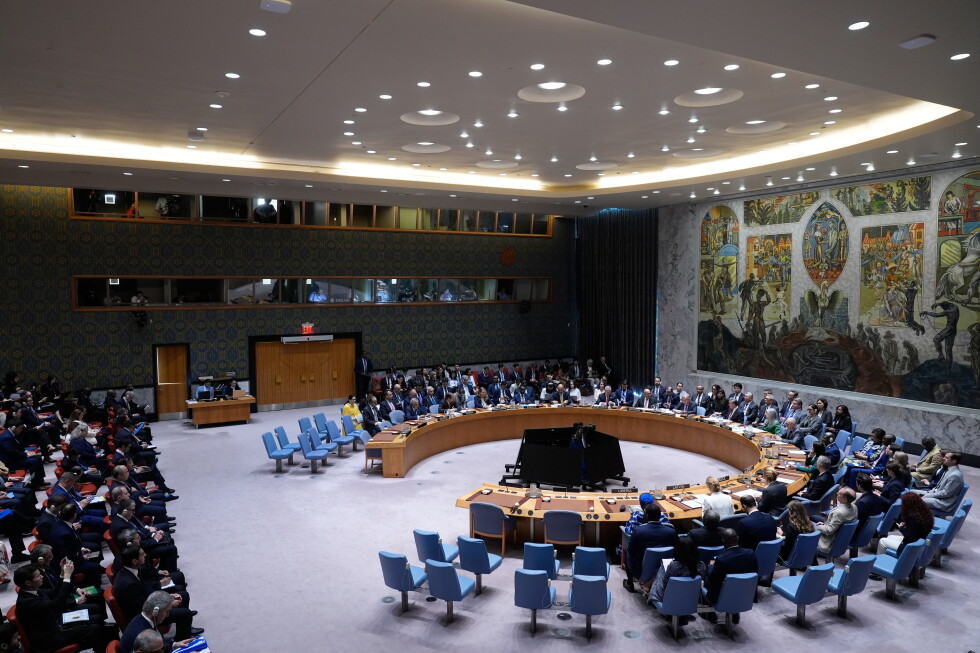
UNITED NATIONS – In a landmark move to protect global peacekeeping personnel, the United Nations Security Council passed a unanimous resolution Tuesday that creates new formal mechanisms to guarantee perpetrators of violent crimes against U.N. peacekeepers are brought to justice.
Data from the U.N. Department of Peace Operations underscores the urgent need for this action: since the U.N. launched its first peacekeeping mission in 1948, close to 1,100 peacekeepers from nations across the globe have been killed in the line of duty, and thousands more have sustained lifelong injuries. Despite this staggering toll, the newly adopted resolution confirms that prosecution rates for killings and other violent offenses targeting peacekeeping personnel have remained stubbornly low for decades.
Drafted by Pakistan and Denmark, the resolution drew broad international support, with more than 150 member states signing on as co-sponsors. The text is designed to close long-standing gaps in the global accountability framework. It formally authorizes U.N. Secretary-General António Guterres to oversee systematic evidence-collection following any future attacks on peacekeepers, and to provide direct support to national and international investigations and prosecutions of all violent acts against peace personnel.
Addressing the council after the vote, Denmark’s U.N. Ambassador Christina Lassen emphasized that the resolution sends an unambiguous message to the more than 50,000 peacekeepers deployed across mission hotspots from Lebanon and Cyprus to South Sudan and the Central African Republic: attacks on their personnel will not be met with international silence or allowed to end in impunity.
“To the perpetrators of any crimes, wherever and whoever they are,” Lassen said, “it sends a firm message that the international community is watching, that crimes will not go unpunished, that accountability and justice will be pursued and will be upheld.”
Pakistan’s U.N. Ambassador Asim Ahmad noted that in recent years, attacks on peacekeepers in multiple active mission zones have grown both in frequency and tactical complexity, with very few perpetrators ever facing legal consequences. While condolences after fatal attacks are a necessary gesture, Ahmad argued that what peacekeepers and their families truly deserve is justice. “Most importantly, this resolution is a strong expression of the council’s political will to stand by the peacekeepers,” he added.
This is not the first time the Security Council has taken action on this issue: a 2021 resolution already sought to strengthen accountability frameworks for crimes against peacekeepers. The U.N. peacekeeping department reports that measurable progress has been made since that vote, with a sharp rise in national investigations and a growing number of alleged perpetrators identified, detained, or prosecuted. Since 2020 alone, 103 individuals have been convicted of offenses connected to the killings of 35 peacekeepers and two U.N. experts across the Central African Republic, the Democratic Republic of Congo, Lebanon, and Mali.
Still, U.N. spokesperson Stephane Dujarric welcomed Tuesday’s resolution while stressing that systemic gaps remain, and far more work is required to deliver consistent accountability.
The new resolution requires the secretary-general to present the Security Council with a full set of policy options to strengthen accountability frameworks within 120 days. “This will help the council assess what is working, where gaps remain, and what further action may be required,” Ahmad explained. Lassen added that the council is prepared to review the proposals promptly and work collaboratively to turn them into tangible, meaningful progress for peacekeepers worldwide.