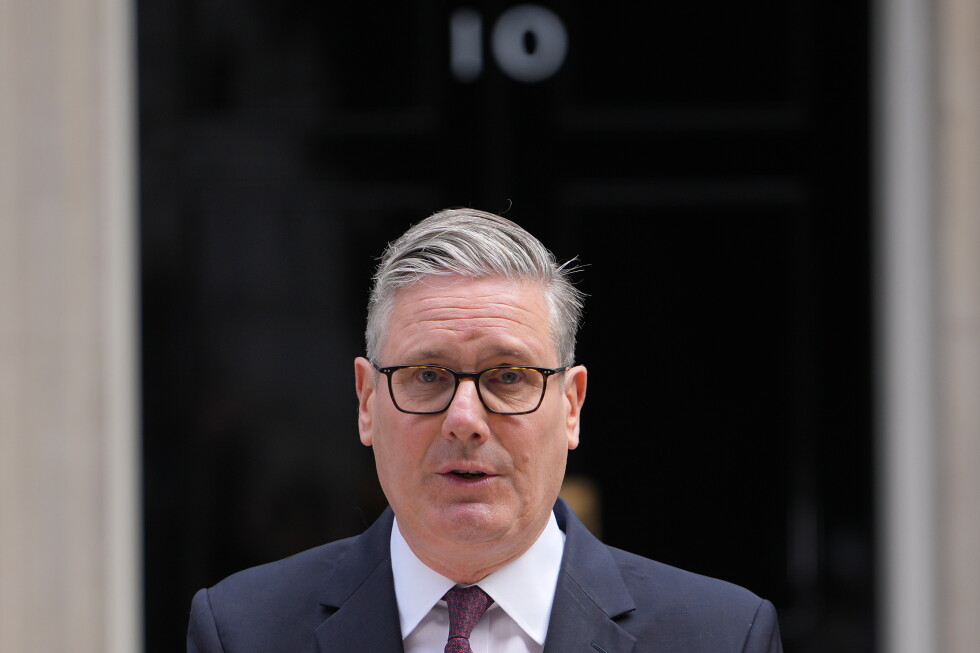
LONDON – It is one of the most dramatic political reversals in modern British history: Keir Starmer, who led the Labour Party to a landslide general election victory in 2024 that ended 14 years of Conservative rule, announced his resignation as prime minister on Monday, forced out by a party rebellion triggered by catastrophic local election losses. His premiership lasted less than two years, unraveled by a toxic mix of economic stagnation, repeated policy missteps, a damaging controversial appointment, and widespread voter disillusionment over his perceived lack of a clear governing vision.
Starmer’s political rise reached its peak on July 4, 2024, when Labour secured a commanding majority of 411 seats out of 650 in Parliament, a stunning turnaround from the party’s historic defeat in the previous general election. The victory ushered in a wave of national optimism, as Starmer positioned his government as a champion of working-class Britons drained by years of Conservative governance. In his triumphant victory speech, Starmer framed the win as a new beginning for the United Kingdom, saying, “Walk into the morning, the sunlight of hope, pale at first but getting stronger through the day, shining once again, on a country with the opportunity after 14 years to get its future back.” Home Secretary Shabana Mahmood even praised Starmer for pulling the party “from the brink, back to power.”
That optimism faded far faster than even Starmer’s most vocal critics predicted. The new prime minister inherited an economy already reeling from the lingering fiscal damage of the COVID-19 pandemic and the inflationary shock of Russia’s full-scale invasion of Ukraine, leaving his government with little fiscal room for large popular spending programs. Voters had ousted the Conservatives over soaring household costs, but Starmer and Treasury chief Rachel Reeves stumbled early: their overly downbeat public assessments of the country’s economic situation eroded consumer and business confidence, prompting widespread spending cuts and hiring freezes that deepened economic stagnation.
Policy missteps compounded the economic damage. Bound by an election manifesto pledge to rule out increases to income tax and value-added tax—the government’s two largest revenue sources—Starmer’s administration instead raised payroll taxes on businesses. The change was deeply unpopular, pushing countless companies to scale back hiring plans and worsening already elevated unemployment levels. This misstep was followed by a string of embarrassing policy U-turns that eroded public trust and gave opposition parties ample ammunition to claim Starmer lacked core convictions. The government was forced to backtrack on plans to cut winter home heating subsidies for millions of pensioners, reverse proposed deep cuts to welfare spending, and weaken a new agricultural inheritance tax after thousands of angry farmers blockaded central London with tractors. Even outside of economic policy, Starmer flipped positions on high-profile issues, most notably launching a national inquiry into organized child sexual abuse only after sustained pressure from opposition figures and billionaire Elon Musk.
The most damaging blow to Starmer’s credibility came from his fateful decision to appoint veteran Labour figure Peter Mandelson—an open friend of convicted sex offender Jeffrey Epstein—as British ambassador to the United States. Initially, the pick was hailed as a shrewd strategic move: Mandelson, long nicknamed the “Prince of Darkness” for his hard-nosed political tactics, had deep trade experience and established relationships with U.S. business and political leaders, including then-President Donald Trump. His efforts ultimately delivered a bilateral trade deal with lower tariffs for Britain than most observers expected. But the appointment unraveled in September 2025, when new documents revealed Mandelson had been far closer to Epstein than he had publicly disclosed. Further revelations compounded the scandal: internal government records showed Mandelson had been flagged as a “reputational risk” before his appointment, failed a mandatory security background check, and was under investigation for allegedly passing sensitive cabinet information to Epstein more than 15 years earlier. Starmer ultimately fired Mandelson, but the scandal left his political judgment permanently in question. Mandelson has repeatedly denied all wrongdoing.
The final collapse came this spring, when Starmer’s already plummeting popularity translated into a devastating rout for Labour in local elections across the country. The far-right, anti-immigration Reform UK party won the largest share of local seats, while the rising Green Party pulled large numbers of left-leaning voters away from Labour. In the wake of the losses, more than 100 Labour members of Parliament publicly called for Starmer to step down. Several senior cabinet ministers, including popular Health Secretary Wes Streeting, resigned in protest, fueling speculation that Streeting would launch a leadership challenge. Popular Greater Manchester Mayor Andy Burnham, another potential challenger, returned to Parliament after a sitting MP stepped down to clear his path to a leadership bid. When Burnham won the resulting by-election last week, the writing was on the wall for Starmer.
After holing up at Chequers, the prime minister’s official country residence, over the weekend to weigh his options, an emotional Starmer announced his resignation Monday morning. Burnham was sworn in as prime minister later the same day in the House of Commons, where he received a rapturous welcome from Labour MPs. Labour’s national executive committee will open nominations for a permanent party leader on July 9, and it remains unclear whether any other candidates will step forward to challenge Burnham for the permanent role.