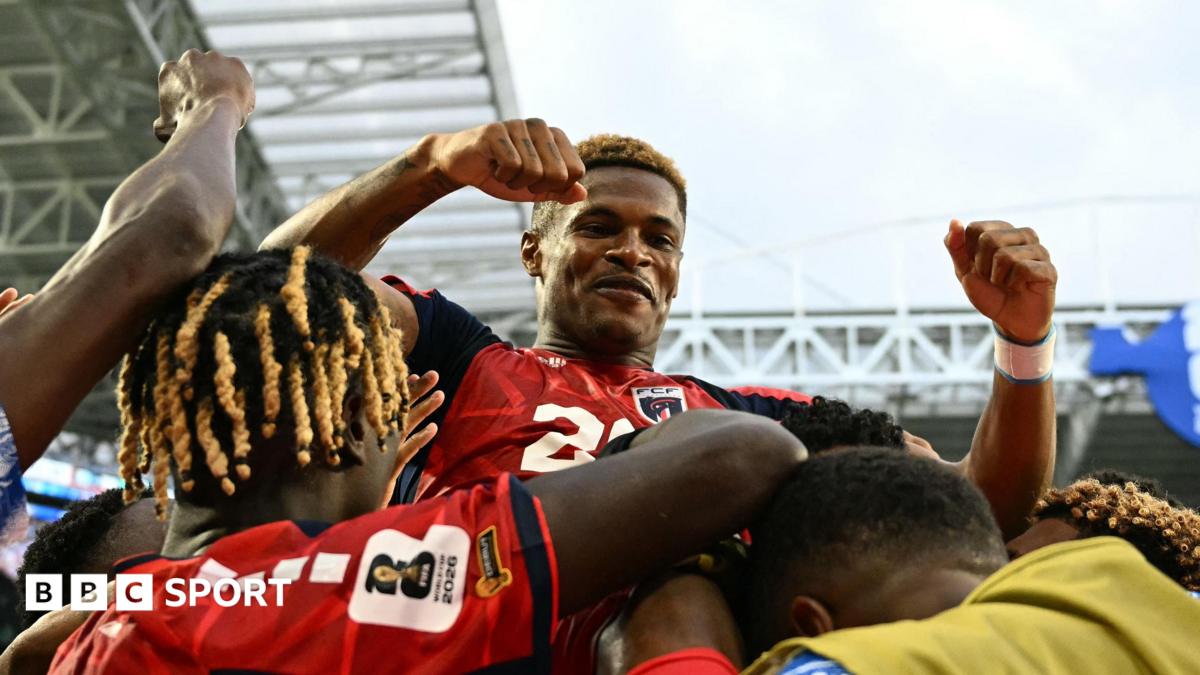
Against all pre-tournament expectations, the tiny Atlantic island nation of Cape Verde is writing one of the most memorable underdog stories in modern World Cup history, sitting just one result away from advancing to the knockout stage on their tournament debut after a thrilling 2-2 draw with two-time world champions Uruguay.
The Blue Sharks, ranked 63rd in the FIFA world rankings, already sent shockwaves through global football earlier in the group stage when they held 65 places higher-ranked Spain to a stalemate. On Sunday, they replicated and even built on that performance to earn a hard-fought point against a Uruguayan side long established as World Cup stalwarts, cementing their reputation as the most entertaining surprise package of the 2026 expanded tournament.
With a total population of just under 525,000 spread across 10 Atlantic islands according to World Bank data, Cape Verde has punched far above its weight against two of the most experienced sides in the competition. Unlike the Spain draw, where goalkeeper Vozinha emerged as an unlikely social media sensation (growing from 40,000 pre-tournament Instagram followers to more than 15 million after his heroics), this time the Blue Sharks’ defensive organization limited Uruguay to only two shots on target, and the match-winning contributions came from the attacking end. Notably, Vozinha was able to share the moment with his mother, who could not attend the Spain match due to prohibitive U.S. visa costs but was present in Miami to watch her son’s side hold the South American giants.
From the opening whistle, Cape Verde adopted a bold, attack-minded game plan, constantly pushing the ball upfield to put Uruguay under sustained pressure, leaving the tournament heavyweights reeling against the debutants’ energetic, free-flowing play. The first history-making moment came in the first half, when Kevin Pina stepped up to take a 30-yard free kick. Uruguay’s defensive wall jumped to block the effort, but split open unexpectedly, allowing Pina’s well-struck shot to arrow through the gap and beat keeper Fernando Muslera for Cape Verde’s first ever World Cup goal. Back in the nation’s capital Praia, the strike sparked wild celebrations among fans who had already dared to dream after the Spain draw.
Written off by almost all pundits before kickoff – including former Wales defender Ashley Williams and former South Africa striker Benni McCarthy, who both predicted a Uruguay win on BBC One – Cape Verde refused to conform to expectations. After Uruguay fought back to take the lead, Helio Varela capitalized on a defensive mistake to produce a clinical finish, rounding a stranded Muslera with a deft touch before slotting the ball into an empty net to equalize. In the second half, Cape Verde combined the steely defensive resilience that earned them a point against Spain with continued attacking threat, pushing hard for a winning goal that would have delivered an even bigger upset. They ended the match with 12 total shots, four on target – double Uruguay’s tally, with 10 of those chances coming in the second half as they chased victory.
The stunning back-to-back performances have already won over neutral fans and pundits alike. McCarthy told BBC One after the match that he had “a new lease of respect” for Cape Verde, praising their bravery and sensational play: “They really came out to play. I think they’ve won a lot of people’s hearts after this performance.” Williams called it the “most entertaining” game he had covered at the 2026 World Cup so far, adding: “Even at the end, they wanted the win – and that’s against Uruguay.” Former England forward Sue Smith described the display as “outstanding from Cape Verde yet again”, noting that “the story of this team keeps going.” Former Scotland forward James McFadden highlighted the side’s joy as a key part of their appeal: “The biggest thing for me is how much Cape Verde are enjoying themselves. It’s been a joy to watch.”
The result leaves Cape Verde third in Group H, level on two points with Uruguay, entering their final group stage match against Saudi Arabia. Under the new expanded World Cup format, the Blue Sharks have a clear path to the knockout stage: three points from Saturday’s fixture will be enough to seal progression, and pundits including McCarthy believe the underdogs are well positioned to pull off the win. Only two teams ranked lower than Cape Verde’s current 63rd place have ever advanced to the World Cup knockout stage before: 74th-ranked Nigeria in 1998 and 70th-ranked Russia in 2018. If Cape Verde can beat Saudi Arabia, they will not only make their own tournament history, but cap off one of the most remarkable underdog runs the World Cup has ever seen. Cape Verde are also the first World Cup debutants to remain unbeaten through their first two group games since Senegal’s iconic run in 2002, putting them in elite underdog company already. As Williams put it: “They’ll be going into the Saudi Arabia game with their tails up thinking ‘we can qualify here.’” Speaking from a U.S. fan park, one Cape Verde fan summed up the mood surrounding the team: “everybody doubted us, everybody thought we weren’t going to make it. We’re here now.”