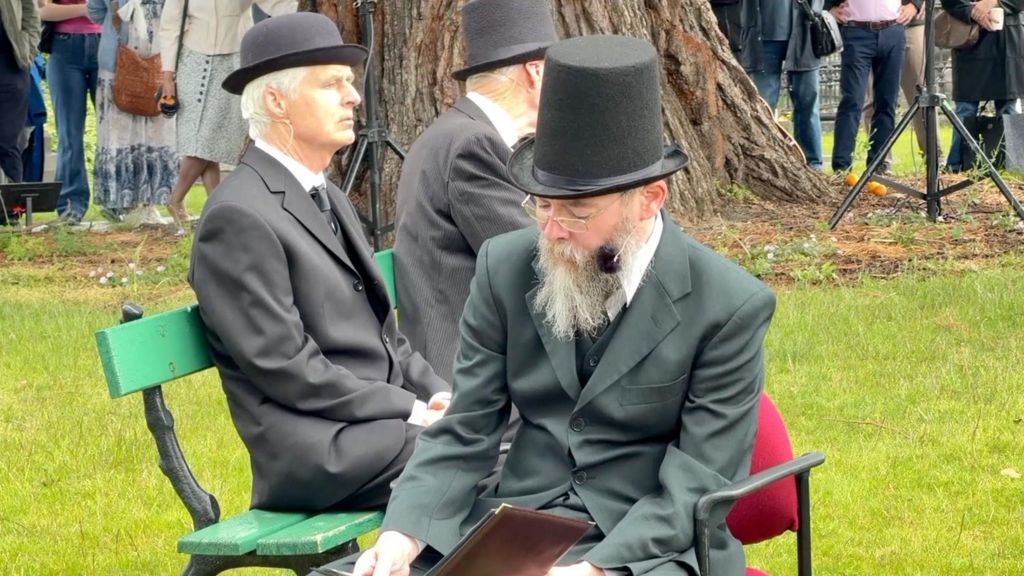
Every June, the cobblestone streets and historic quarters of Dublin transform into a living, breathing tribute to one of the 20th century’s most revolutionary works of literature: James Joyce’s *Ulysses*. That celebration, known globally as Bloomsday, draws literary enthusiasts, casual visitors, and Dublin locals alike each year, all gathering to honor the novel and its iconic everyman protagonist, Leopold Bloom.
The date of the celebration holds deep meaning: it marks the single day on which the entire plot of *Ulysses* unfolds—June 16, 1904. For Joyce himself, the date also carried personal weight: it was the date of his first romantic outing with his future wife, Nora Barnacle, a private milestone he wove into the core of his masterpiece.
Today, Bloomsday has grown far beyond a small literary commemoration. Participants don period clothing matching the novel’s early 1900s setting, retrace Leopold Bloom’s exact walking route across Dublin, take part in public readings of the book’s famously dense and lyrical passages, and enjoy traditional Irish food and drink that feature prominently in Joyce’s text. What began as a quiet tribute among a small circle of Joyce’s admirers in the 1920s has evolved into a major cultural event that draws visitors from across the globe to Dublin each year, while smaller celebrations are now held in literary hubs around the world.
So why does this specific celebration endure, more than a century after the novel was published? For many, Bloomsday is more than a nod to a classic work of literature. It is a celebration of ordinary life: *Ulysses* unfolds over a single, unremarkable day in Bloom’s life, elevating small, everyday moments to the level of high art. The event also celebrates Joyce’s radical reimagining of narrative and the English language, which redefined what the novel could do. For Dublin, it has also become a beloved cultural tradition that ties the city’s present to its literary past, drawing communities together around a shared love of storytelling and Irish cultural heritage.