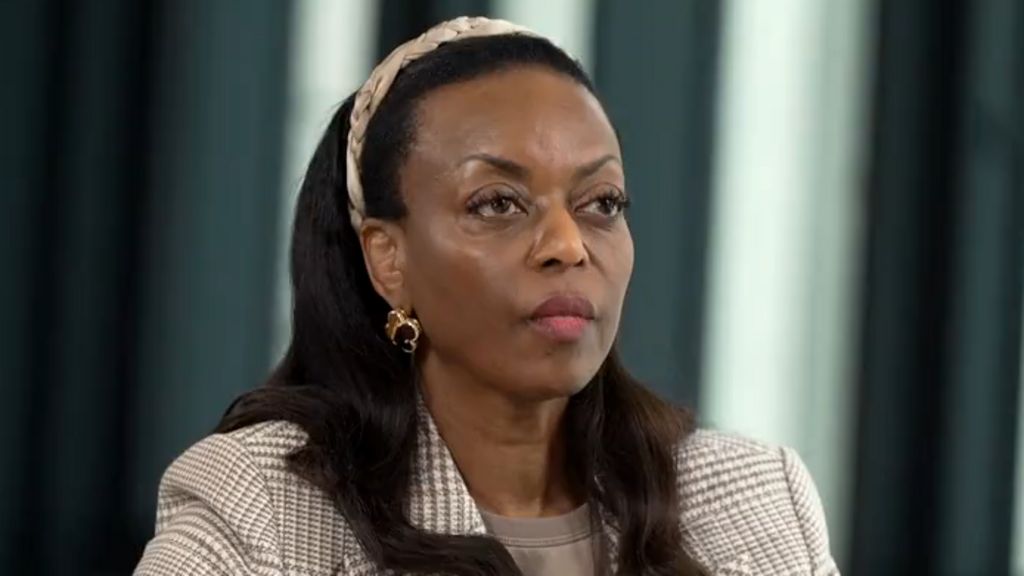
More than a decade of high-stakes anti-corruption investigation ended in acquittal this week, leaving a trail of damaged careers, unproven allegations, and sharp criticism of British law enforcement from one of the oil and gas industry’s most prominent female leaders. Diezani Alison-Madueke, 65, who made history as the first woman to serve as Nigeria’s oil minister and as president of the Organization of the Petroleum Exporting Countries (OPEC), was cleared of all five bribery and conspiracy charges Wednesday at London’s Southwark Crown Court after a months-long trial.
In her first public interview following the verdict, the ex-minister told the BBC the 13-year probe carried out by the UK’s National Crime Agency (NCA) devastated her personal and professional life, leaving her with a permanently tarnished reputation that can never be repaired. The case was not just a legal battle, she said, but a traumatic experience that upended every part of her life. For years, she was barred from international travel and blocked from working in any professional capacity. When your personal freedom is restricted for so long, Alison-Madueke explained, it inflicts deep, long-lasting psychological harm. She has maintained her complete innocence from the start, emphasizing she never committed any of the serious misdeeds prosecutors alleged against her.
The case against Alison-Madueke dated back to her 2015 arrest, though formal charges were not brought until 2023. Prosecutors claimed she accepted hundreds of thousands of dollars in improper kickbacks from wealthy Nigerian oil tycoons who secured lucrative government oil contracts during her tenure. Prosecutors alleged these payments funded a lavish lifestyle, including more than £2 million ($2.65 million) in luxury goods purchased from London’s Harrods, access to private chauffeur-driven cars, and the use of multi-million-pound properties across London and Buckinghamshire. Two other co-defendants – Alison-Madueke’s brother Doye Agamas, a 69-year-old Pentecostal archbishop based in Manchester, and oil industry executive Olatimbo Ayinde, 54 – were also cleared of all related charges. Ayinde’s acquittal carried extra weight: she had been prosecuted despite acting as a cooperating informant for Nigerian anti-corruption officials.
From the opening of the trial in January, Alison-Madueke’s defense team challenged the validity and fairness of the prosecution’s case, arguing that critical documents that would have proven her innocence went missing under mysterious circumstances in Nigeria. The ex-mininger confirmed those missing records included boxes of receipts that proved she had fully reimbursed the oil tycoons for any payments they made on her behalf. She told the BBC that Nigerian intelligence forces seized those documents from her Abuja home back in 2015, and she has had no knowledge of their fate ever since. Former Nigerian President Goodluck Jonathan, who appointed Alison-Madueke to her cabinet post, submitted a letter to the court backing her account, noting that it was common practice for third parties to cover travel and accommodation costs for Nigerian cabinet members conducting official overseas business.
When asked who bears responsibility for the failed prosecution, Alison-Madueke said blame is shared across multiple parties. She called on Nigerian authorities to conduct a full review of the procedures and practices they use in cross-border corruption cases. For the NCA, she argued the agency lacked sensitivity when pursuing a case rooted in another country’s political context, suggesting the investigation into her was at least partially politically motivated. She claims the NCA targeted her as easy, high-profile “low-hanging fruit,” ignoring two key facts: her own record of pushing anti-corruption reform in Nigeria’s oil sector – the heart of the country’s economy, as Africa’s largest oil producer – and the fact that she had made powerful political enemies during her time in office. As a woman breaking barriers in a deeply misogynistic political culture, she said, she was already an outsider target.
Alison-Madueke said the NCA should have paused to conduct a deeper, more thorough investigation into the on-ground context of the claims before moving forward with prosecution. In the wake of the not-guilty verdict, an NCA spokesperson confirmed the agency respects the jury’s final verdict. The BBC has requested additional comment from the agency, and has not yet received a response.
The verdict comes after years of related asset recovery actions by international law enforcement. In 2023, the U.S. Department of Justice seized $53 million (£40 million) in assets from two of the oil tycoons named in the London trial. At the time, a department spokesperson claimed Alison-Madueke had abused her position to steer profitable oil contracts to the tycoons’ companies. Alison-Madueke pushed back on that claim in her interview, noting she was never given an opportunity to defend herself against those allegations because she was never charged in the U.S. case. She added that all contracts awarded during her tenure went through the full, required due diligence process as mandated by law.
Nigeria’s leading anti-graft body, the Economic and Financial Crimes Commission (EFCC), also has had prior actions against Alison-Madueke: in 2022, the agency said it recovered roughly $153 million and more than 80 properties linked to the ex-minister. When asked about those forfeited assets, Alison-Madueke said the assets were never directly traced to her, and she has had no clear updates on the status of that case. Now that she has been acquitted in London, she says she will finally have the freedom to investigate what actually happened with those assets to clear her name further.