LONDON – A decisive landslide win for Andy Burnham in a UK House of Commons by-election has thrown the future of Prime Minister Keir Starmer’s premiership into grave doubt, triggering immediate speculation of an internal Labour Party leadership challenge that could end Starmer’s tenure less than two years after he swept the party back into power. The 56-year-old Burnham, a widely popular former mayor of Greater Manchester who held a seat in Makerfield, northwest England, delivered a stunning political upset that defied Labour’s months of plummeting national poll numbers and bruising local election losses.
Against all expectations, Burnham not only fended off a fierce challenge from the right-wing anti-immigration Reform UK, which had won nearly every local seat within the Makerfield constituency last month, but also grew Labour’s vote share to almost 55% – a result that political analysts describe as a clear public mandate for a change in party leadership. After nearly a decade serving outside Parliament as Greater Manchester’s mayor, Burnham’s return to the Commons puts him directly in position to mount a challenge to Starmer, who has seen his approval ratings sink to historic lows amid a string of high-profile policy failures and damaging controversies.
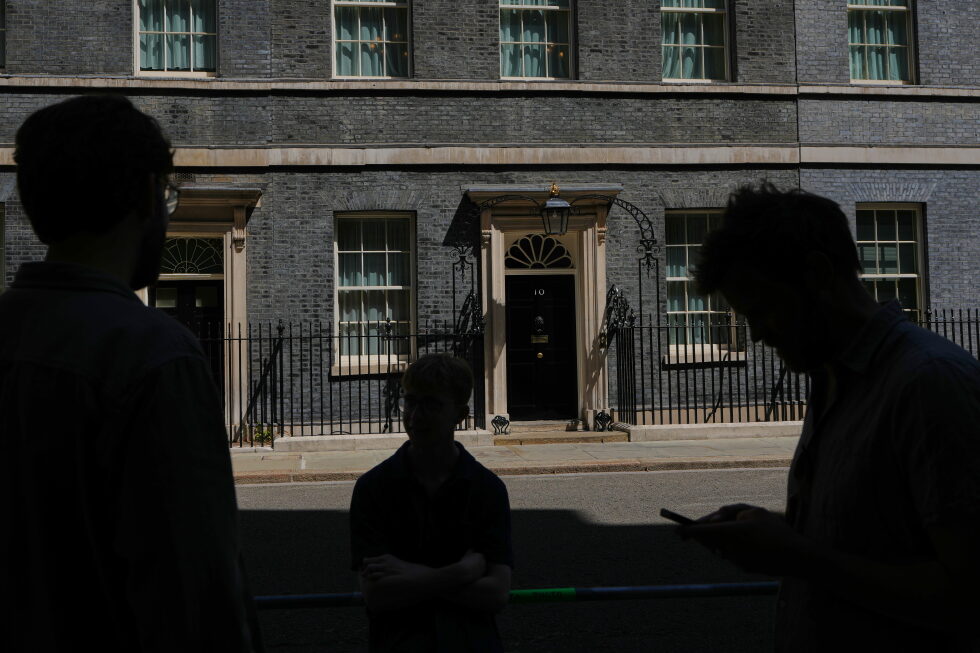
While Burnham has not yet formally declared a leadership bid, his public comments following the win leave little question of his ambitions for 10 Downing Street. Framing his victory as a watershed moment for British politics, Burnham said: “I think we need in this country right now for people to feel a sense of hope that there is something better to work towards on the horizon,” adding that his team aims to “lay out a new path” for the nation. Long nicknamed the “King of the North” for his regional popularity, Burnham is widely viewed as the frontrunner to replace Starmer should a leadership contest be called.
Under UK political rules, a sitting prime minister can be removed by their party mid-term without requiring an early general election, which is not scheduled to take place until 2029. Starmer, who led Labour to a landslide general election victory in July 2024 after 14 years in opposition, has become one of the most unpopular prime ministers in modern British history. His political standing collapsed most recently after the controversial and widely criticized appointment of Peter Mandelson as UK ambassador to Washington, over Mandelson’s longstanding personal links to convicted sex offender Jeffrey Epstein.
Political insiders are now predicting that senior figures within Starmer’s own Cabinet will approach him in the coming days to urge him to step down voluntarily, arguing that his resignation would be in the best interest of both Starmer and the Labour Party. Should Starmer choose to leave office immediately, Labour’s governing body and the Cabinet would install an interim prime minister from the party’s ranks, a role widely tipped to go to current Deputy Prime Minister David Lammy, who is not expected to run for the permanent leadership. Another possible outcome is that Starmer would announce his intention to resign ahead of Labour’s annual party conference scheduled for September.
If a leadership contest is called, Burnham has already made clear he will enter the race. Other potential challengers include former Health Secretary Wes Streeting, who resigned from the Cabinet last month and has already signaled he will run; former deputy leader Angela Rayner, who stepped down last year over an unpaid property tax scandal; and former Armed Forces Minister Al Carns, who resigned last week in protest of Starmer’s defense funding cuts. Many Labour lawmakers are already pushing for a unanimous coronation of Burnham, arguing that a unified party could install him in Downing Street as early as this summer before the annual conference.
In an awkward, paradoxical moment on Friday, Starmer was forced to publicly congratulate Burnham on his win even as the result amplifies growing pressure on his own leadership. When asked whether he would fight a challenge to his position, Starmer insisted he would not step down voluntarily. “Yes, I will run, I will stand. I’ve said repeatedly I’m not going to walk away from that,” he told reporters, confirming he would automatically appear on the ballot if a formal challenge is mounted.
Under Labour Party rules, any candidate seeking to challenge the incumbent leader must secure the backing of at least one-fifth of the party’s sitting Members of Parliament – that’s 81 lawmakers. Candidates that clear that parliamentary threshold must then win support from either 5% of local constituency Labour parties, or at least three affiliated groups such as trade unions and cooperative societies. After eligibility is confirmed, party members and affiliate representatives vote via a ranked-choice system, with the first candidate to win a majority of votes declared the new leader. The winner would then be formally invited by King Charles III to form a government and take office as prime minister. A full leadership contest would take between three and four months to complete, including a series of public town hall events for candidates before member voting opens.