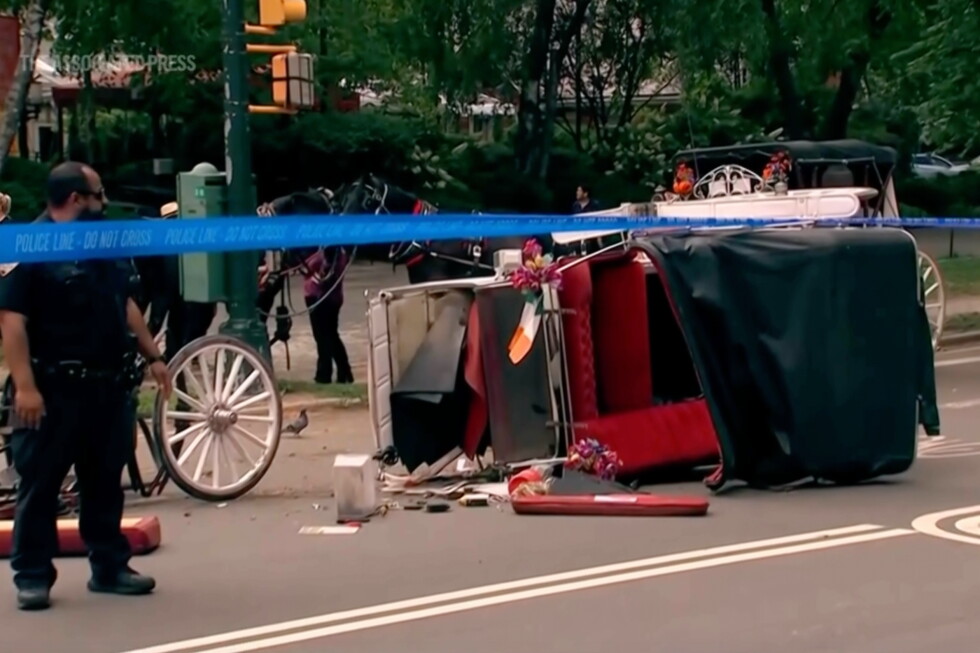
A devastating tragedy in one of New York City’s most iconic landmarks has reignited a decades-long debate over the future of Central Park’s historic horse-drawn carriage industry, after an 18-year-old tourist from India died following a runaway carriage incident. The fatal crash, which has become the first recorded human death linked to a horse carriage accident in the 150-plus-year history of the attraction, has amplified pressure from activists and city leaders to ban the service entirely, while industry representatives push for targeted safety reforms instead of a full elimination.
The victim, Romanch Mahajan, was in New York on a celebratory family trip marking two joyous milestones: his recent high school graduation and his newly earned acceptance to a university in his home state of Rajasthan, India. The family, who had arrived in the city just days earlier and already visited top tourist spots including the Statue of Liberty and Brooklyn Bridge, opted for a classic Central Park carriage ride as a memorable stop on their itinerary. According to Romanch’s father, Deepak Mahajan, the driver dismounted near a popular fountain to take a photograph of the family, leaving the horse untethered. The animal suddenly spooked and bolted, throwing Romanch’s mother from the open carriage. In a desperate attempt to reach his mother, Romanch jumped from the moving vehicle, struck his head fatally on the pavement before the out-of-control carriage collided with a second horse-drawn vehicle and toppled over. Deepak Mahajan, his wife, and their younger son escaped with only minor injuries, but the tragedy cut short Romanch’s emerging future. “It took my son’s dream away,” Deepak Mahajan told *The New York Times*.
Industry representatives confirmed that the carriage owner has suspended the involved driver indefinitely and plans to retire the spooked horse from service. The labor union representing carriage workers, Transport Workers Union Local 100, also voluntarily shut down all operations this week to conduct a full internal review of existing safety protocols. As of Thursday, no carriage rides were operating in the park, and there was no immediate timeline for when service would resume.
Central Park Conservancy, the non-profit organization that manages the 843-acre public space, had already backed regulatory changes to restrict the industry in recent years, and the group is now calling for an immediate suspension of all operations until new sweeping safety safeguards can be implemented. Conservancy officials note that Mahajan’s death marks the eighth horse-related incident in the park over just 13 months, adding that crowded park roads packed with joggers, cyclists, pedestrians, and motorized scooters have made shared space with horses unsafe in the modern era. The organization also pointed to a growing national trend, noting that major U.S. cities including Chicago and San Antonio have already phased out horse-drawn tourist carriages entirely.
Animal welfare and public safety advocates have gone a step further, calling for a permanent full ban. Edita Birnkrant, executive director of New Yorkers for Clean, Livable, and Safe Streets, said the pattern of incidents can no longer be ignored: “The record is undeniable: crashes, runaways, horse deaths, injuries, and now a devastating loss of human life.” Activists have long argued that carriage horses are forced to work excessive hours in crowded urban conditions that leave them prone to spooking, are housed in substandard stables, and that drivers routinely violate existing city safety rules.
These claims have been consistently rejected by carriage owners and drivers, who emphasize that their animals receive proper care and that their stables meet all city regulatory requirements. Rather than eliminating the 150-year-old nostalgic attraction that draws millions of tourist dollars to the city each year, industry leaders argue the fatal crash highlights the need for targeted safety improvements, not an outright ban.
Alexander Kemp, vice president of Transport Workers Union Local 100, said the industry was devastated by the tragedy: “We’re absolutely gutted and stunned by this tragedy.” Onur Altintas, a long-time carriage owner who operates four horses in Central Park, warned that a full ban would eliminate hundreds of jobs across New York’s horse industry, including roles for drivers, stable hands, and farriers. He pushed back on calls to end the industry over a single accident, noting that far more deadly incidents occur in other common forms of transportation regularly. Altintas also laid out a clear path to improve safety, saying 90% of accidents could be prevented by installing public hitching posts across the park at popular tourist photo stops, allowing drivers to secure their horses when they need to step away briefly — a common practice when taking passenger photos, using restrooms, or taking breaks.
The union confirmed that a bipartisan bill has already been introduced to the New York City Council that would mandate exactly these hitching post requirements. But city leaders have already made clear they plan to move forward with a vote on a broader, long-proposed ban that would phase out the industry entirely and support workers to transition to new careers. City Council Speaker Julie Menin announced that the legislative body will hold a public hearing next month on the ban legislation, known as Ryder’s Law, which the Central Park Conservancy formally endorsed last year, reigniting public debate over the carriages. “The time to act is now,” Menin wrote on social platform X.
Mayor Zohran Mamdani has also reaffirmed his commitment to ending the industry, saying he will work with the council, industry stakeholders, and advocates to “deliver a just transition that protects workers while ending horse-drawn carriages in Central Park once and for all.” This push to end the carriage industry is not new: former mayor Bill de Blasio famously vowed to shut down the industry “on Day One” of his tenure, but faced years of stiff opposition in the council. Mamdani’s predecessor, Eric Adams, also came out against the industry near the end of his single term.