TEHRAN – In a landmark shift to a decades-long high-stakes conflict between Iran and the United States, the leaders of both nations have formally signed a cross-border memorandum of understanding (MoU) to end open hostilities via digital authentication, a senior Iranian foreign affairs official confirmed early Thursday.
Iranian Foreign Ministry Spokesperson Esmaeil Baghaei announced the development in an on-camera interview with Iran’s state-owned Islamic Republic of Iran Broadcasting (IRIB), noting that the digital signing by Iranian President Masoud Pezeshkian and U.S. President Donald Trump replaces a previously planned in-person signing ceremony scheduled for this Friday in Switzerland.
“Over the past 24 hours, our two sides conducted additional consultations and reassessment, and reached the conclusion that a virtual signing by the heads of state of both countries is the more favorable path forward,” Baghaei told reporters, adding that a formal in-person ceremonial gathering was deemed “not very appropriate” under current circumstances.
The spokesperson highlighted a key strategic rationale for the last-minute format change: digital signatures from both countries’ top executive leaders significantly increase the political costs for any future violation of the agreement’s terms, creating a stronger deterrent against backtracking from the war-ending commitment.
Baghaei confirmed that the long-awaited second phase of bilateral negotiations between Iran and the United States will proceed as originally planned, kicking off in Switzerland on Friday. He struck a cautious note on the outcome of upcoming talks, however, saying “we will have to see what outcome the parties will reach through mediators in the coming hours.”
Consistent with Iran’s core negotiating priorities, Baghaei emphasized that a ceasefire in Lebanon has held equal importance to a halt to hostilities on Iranian territory for Tehran throughout the negotiation process.
The finalized MoU, which commits to ending open conflict across all regional fronts including Lebanon, was first announced earlier this week by Iran, the United States, and Pakistan. The agreement capped off weeks of intensive mediated negotiations aimed at de-escalating a conflict that erupted in late February.
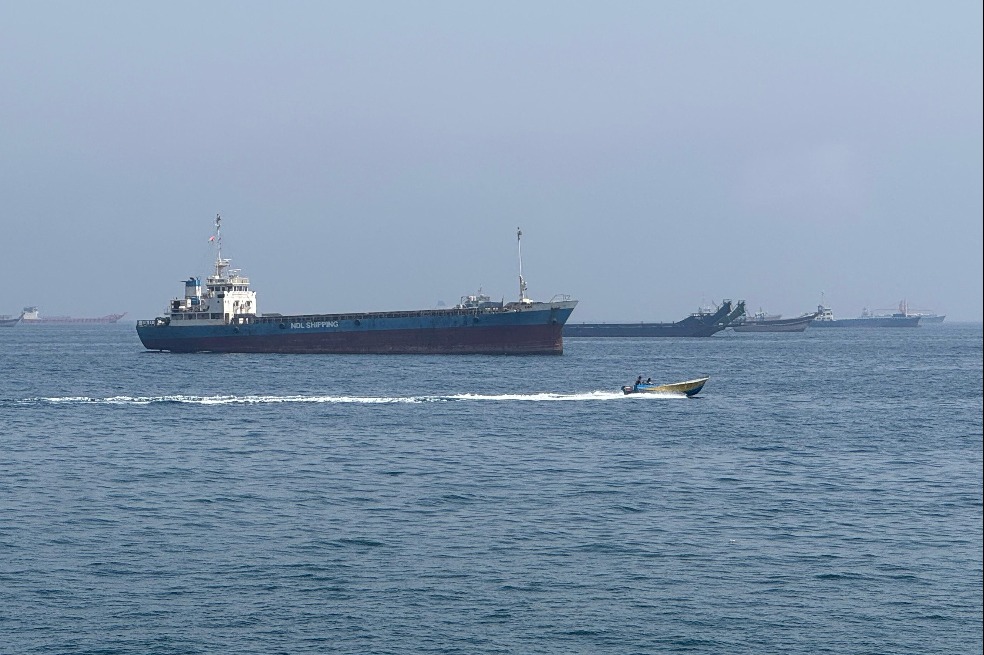
The conflict that the MoU seeks to end began on February 28, when Israel and the United States launched coordinated joint strikes on Tehran and multiple other urban centers across Iran. Iran responded with a large-scale barrage of missile and drone attacks targeting Israeli territory as well as U.S. military bases and strategic assets across the Middle East. Tehran also tightened control over the strategically vital Strait of Hormuz, barring safe passage for any vessels owned by or aligned with Israel and the United States.