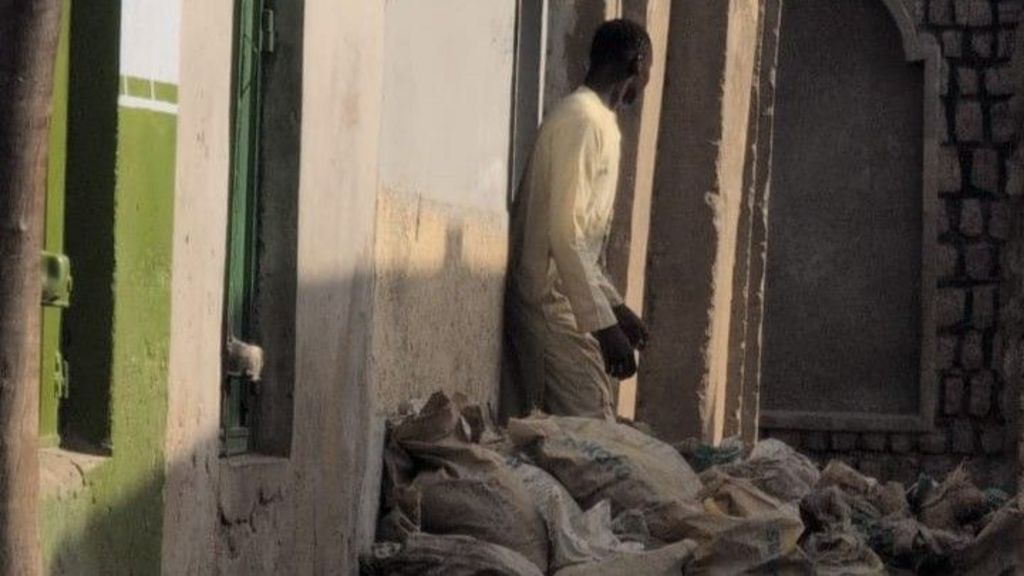
A sanitation worker in northern Nigeria has received a 14-day prison sentence after persistent public complaints over unregulated waste storage upended daily life for nearby residents, in a case that highlights unaddressed public health risks tied to widespread informal waste reuse practices. Mohammed Saidu, who works professionally emptying septic tanks in Kano, was brought before a local magistrate after frustrated neighborhood residents escalated their concerns about an overwhelming foul stench to state environmental officials.
Local community leader Musa Abdullahi told the BBC that when the first complaint reached him, Saidu was holding almost 50 sealed bags of human faeces in the outdoor space adjacent to his home. While Saidu’s line of work frequently brings him into contact with human waste, the root of the conflict lies in his unreported practice of stockpiling the waste to sell to local agricultural producers as organic fertilizer. This informal waste-to-fertilizer trade is a common, though rarely publicly discussed, practice across many rural and peri-urban areas of Nigeria, where smallholder farmers often rely on low-cost nutrient sources for their crops.
Neighbors told reporters that the stench emanating from Saidu’s property grew so severe that it made even staying inside their own homes unbearable. In initial attempts to resolve the issue privately, residents approached Saidu directly and raised their concerns, but he failed to relocate or remove the stockpiled waste, they said. Abdullahi also confirmed he intervened early when the storage first began, saying: “When he first started it, I spoke to him about it and he packed them out and stopped. I did not know when he resumed.” The community leader added that this time around, affected neighbors chose to go directly to state environmental authorities rather than working through local leadership, and noted his home is located far enough from the site that he did not experience the odor himself, but he fully understood why residents were so frustrated.
When the case reached Kano’s local court, Saidu entered a guilty plea to the charge of endangering community public health. Before issuing her ruling, Magistrate Halima Wali made an on-site visit to the property to inspect the stored waste for herself. Wali ultimately ruled that Saidu’s actions were extremely inconsiderate to surrounding households and posed a direct preventable risk to neighbors’ physical health. In addition to the 14-day prison term, the magistrate ordered Saidu to pay a 100,000 naira fine, equivalent to approximately $74 or £55, and mandated that he remove all stored waste from the property immediately and sign a pledge never to repeat the offense.
Following the court ruling, one of the original complainants, Samaila Inuwa, confirmed that neighborhood conditions had already improved dramatically after the waste was removed. “Finally, our neighbourhood is enjoyable once more without any bad smell,” Inuwa said. Abdullahi noted that once Saidu completes his prison sentence, local leaders will facilitate a conversation between the worker and affected neighbors to find a long-term, mutually acceptable solution that allows Saidu to continue his fertilizer trade without disrupting community quality of life. “My mission is for everybody in this area to live in peace,” Abdullahi said.