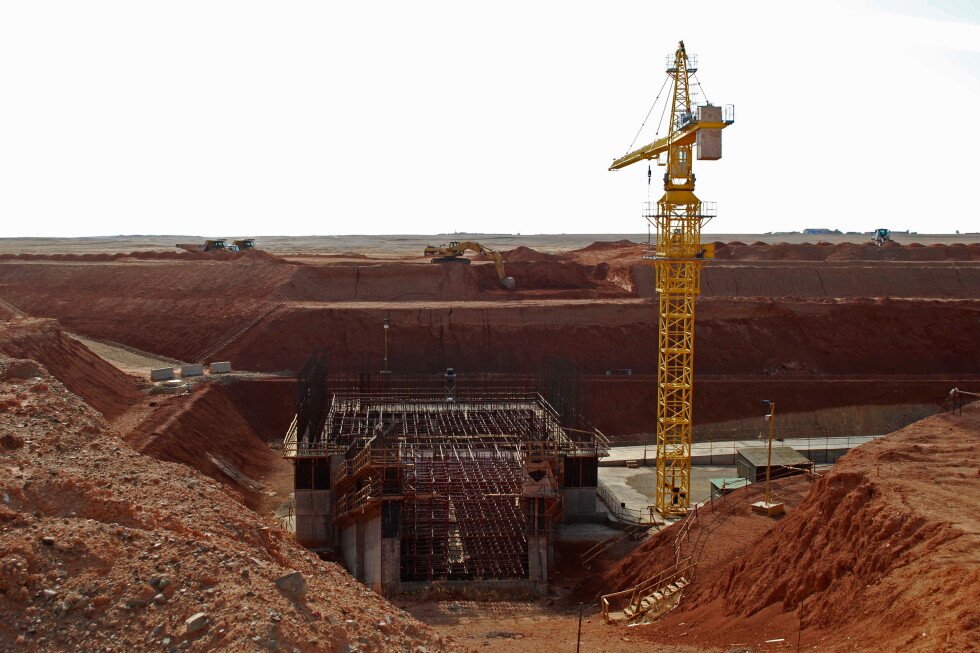
On a clear sunny day in southern Mongolia’s Gobi Desert, a small group of activists from the domestic advocacy group Radical Reform Movement erected a makeshift barrier across the only two-lane road leading out of the massive Oyu Tolgoi copper and gold mine, halting all copper concentrate shipments bound for global markets Wednesday. The demonstration has thrown a spotlight on long-simmering public discontent over foreign ownership of Mongolia’s vast mineral wealth, and created an unexpected disruption to a critical copper supply chain that feeds into China’s booming renewable energy and electric vehicle sectors.
Copper is a foundational material for electric vehicle batteries, wind turbines, and solar power infrastructure — industries where China holds global leadership in production and deployment. Oyu Tolgoi, located just 50 miles north of the Mongolia-China border, is projected to become the world’s fourth-largest copper mine once fully operational, holding one of the planet’s largest untapped reserves of the critical mineral. The project is a joint venture between British-Australian mining giant Rio Tinto, which controls a 66% stake, and the Mongolian government, which holds the remaining 34% share.
For decades, Mongolian public discourse has centered on inequitable distribution of mining revenue: the country counts extensive deposits of copper, gold, coal and other critical minerals, yet widespread poverty remains pervasive across much of the population. The Radical Reform Movement, the group behind the blockade, has gone as far as calling for the full expulsion of foreign investors from the country’s mining sector, while even more moderate voices within the Mongolian government are pushing to renegotiate the original operating agreement with Rio Tinto to secure a larger share of project profits for the Mongolian public.
Videos posted to Facebook by the advocacy group showed protesters gathering around the barrier, which included a tire wall and a large tree branch strung with a white banner emblazoned with red text reading “Stop Rio Tinto”, set across the road cutting through the arid Gobi landscape. As of Wednesday, it remains unclear whether the demonstration is a one-day action intended to raise awareness of the group’s demands, or the opening of an extended standoff that could trigger broader economic repercussions for both Mongolia and its key trading partner China.
According to official statements from the Oyu Tolgoi joint venture, the mine contributes roughly 9% of Mongolia’s total annual government tax revenue. The company warned that a prolonged seven-day blockade would cut into government revenue by an estimated 35 billion Mongolian Tugrik, equal to roughly $13.3 million. Following the blockade, Mongolian Prime Minister Uchral Nyam-Osor directed the country’s justice and internal affairs minister at a weekly Cabinet meeting to uphold existing law, and hold all participants accountable for unlawfully disrupting legally authorized commercial operations, according to a post on the Mongolian government’s official Facebook page.