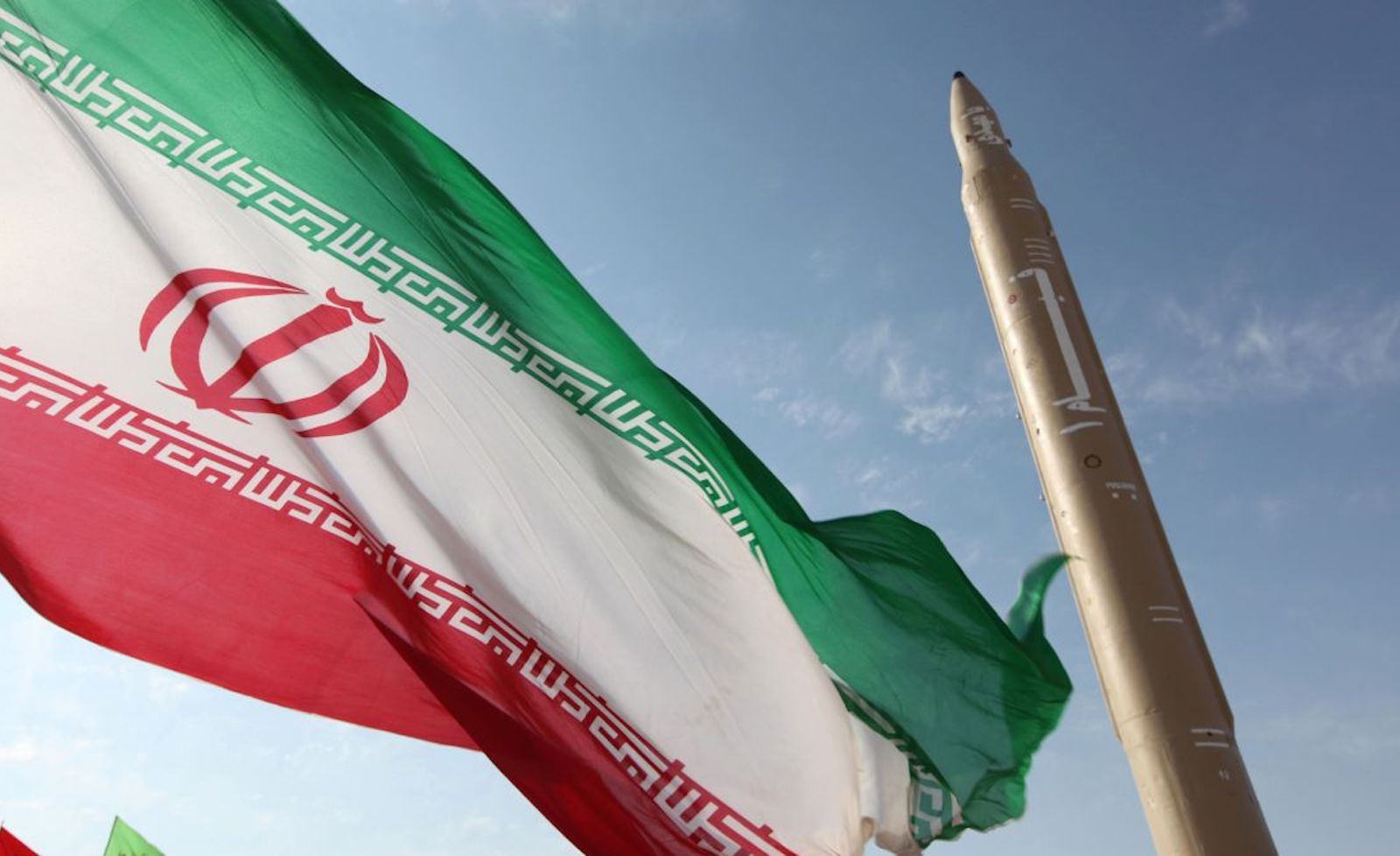
Just one day after formalizing a ceasefire memorandum of understanding with Iran to end the unprovoked war launched jointly with Israel in February, U.S. President Donald Trump has dramatically softened his long-stated top priority for the conflict: seizing Iran’s stockpiles of highly enriched uranium. Speaking Tuesday on the sidelines of the Group of Seven summit in France, Trump asserted there was “no rush” to recover the nuclear material from sites targeted by U.S. airstrikes in June 2025.
In comments that contradicted months of public messaging from Trump and his senior national security team, the president downplayed both the urgency and the value of the uranium he had once framed as an existential threat requiring immediate military action. “Taking the highly enriched uranium is something the U.S. wants psychologically, but not enough to prioritize extracting it right away,” Trump said, even suggesting that a case could be made that the effort to seize the material was not worth the logistical challenge at all.
Noting that only the United States and China possess the specialized heavy equipment required to extract the uranium, Trump added: “Frankly, to go get it—we’re going to go get it—but to go get it is a big deal. You could make the case, ‘Why do you even bother?’ because it’s not very valuable, you know. It’s probably half a million dollars worth, it’s not very valuable stuff.”
Trump’s shift comes 24 hours after he and Iranian officials announced the MOU that halted hostilities, a conflict during which Iran effectively closed the Strait of Hormuz, disrupting global energy supplies and sending oil prices soaring across international markets. The president told The New York Times that the agreement caps Iran’s uranium enrichment at levels that can never be repurposed for military use. However, anonymous White House officials speaking to The Washington Post clarified that full details of Iran’s nuclear program oversight remain unresolved, with formal negotiations set to unfold over the next two months. The question of whether nuclear talks would proceed separately from ceasefire negotiations had been a major sticking point for U.S. negotiators in the lead-up to the MOU.
When pressed on criticism that the new agreement fails to secure any new nuclear concessions that were not already enshrined in the 2015 Joint Comprehensive Plan of Action (JCPOA)—the Obama-era deal that Trump abandoned during his first term, which traded sanctions relief for nuclear limits—the president pushed back. He reiterated that the new deal permanently restricts Iran’s uranium enrichment to nonmilitary purposes only.
Supporters of the administration, including former National Security Council chief of staff Alex Gray, have defended the agreement as a historic breakthrough, claiming it marks the first time the U.S. has permanently blocked Iran’s path to a nuclear weapon. Iran has consistently maintained, even before the February invasion, that its entire nuclear program is intended exclusively for peaceful civilian energy purposes.
But foreign policy analysts say Trump’s Tuesday comments expose inconsistencies in the administration’s justifications for the war. Foreign policy analyst Logan McMillen argued that the president’s downplaying of the uranium is an implicit admission that the material was always a false pretext for the conflict. “The real purpose was to punish Iran for the crime of being an independent economic power that refused to participate in America’s petro economy,” McMillen said.
CNN’s Aaron Blake points out that this latest shift is far from the first time Trump has sent contradictory messages about Iran’s nuclear program. Just weeks ago, Trump wrote on social media that Iran’s uranium would be unearthed by U.S. experts—working with Iran and the International Atomic Energy Agency—and destroyed. But as far back as April, he told Reuters that U.S. strikes had left Iran’s uranium buried deep enough that he “didn’t care” about its location. Two weeks after that April comment, he insisted the U.S. “had to take that nuclear dust,” then told Fox News later that destroying the stockpile was “not necessary except from a public relations standpoint.”