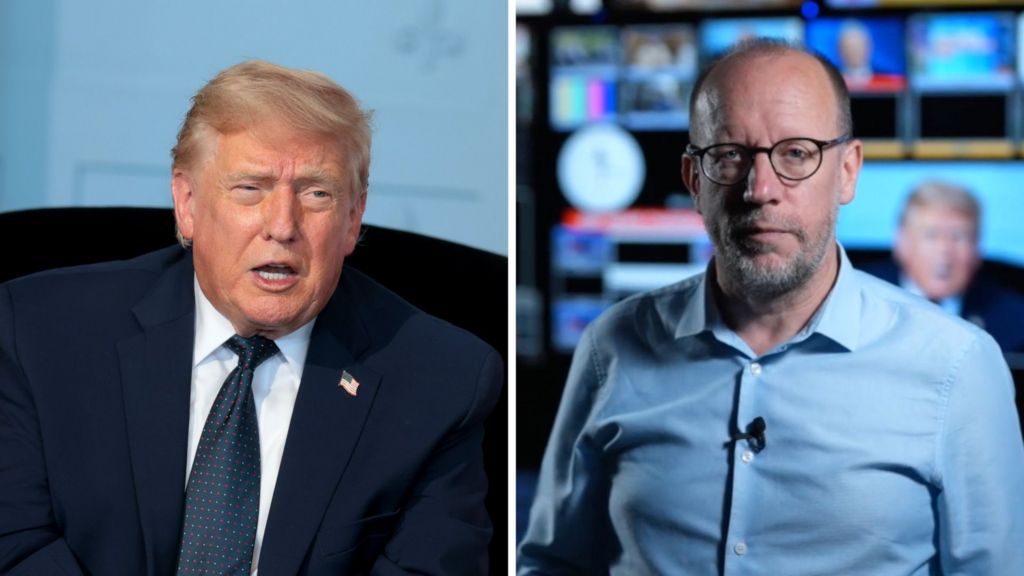
A new public rift has emerged between former U.S. President Donald Trump and Israeli Prime Minister Benjamin Netanyahu, centering on a recent wave of airstrikes carried out by Israeli forces in Lebanon that has left Trump openly furious. In public comments, Trump has labeled the strikes as “vicious”, drawing sharp attention to the unexpected fracture in what has long been framed as a close political alliance between the two leaders. The BBC’s senior Middle East correspondent Tom Bateman has unpacked the context behind the U.S. politician’s sharp reaction, digging into the strategic and political calculations that may be driving Trump’s unusual public rebuke of the Israeli leadership. Regional observers note that the escalation of hostilities between Israel and Hezbollah along the Lebanese border has sparked growing international concern, with major global powers pushing for de-escalation to prevent a full-scale regional conflict. For Trump, who positioned his presidency around brokering historic Middle East deals and avoiding new foreign conflicts, the current escalation runs counter to the foreign policy legacy he has sought to build. This public criticism also comes amid shifting dynamics in U.S. domestic politics, where Trump is navigating competing viewpoints within his base on Middle East policy, making his reaction as much a domestic political calculation as a response to the military actions themselves. Bateman’s reporting breaks down the overlapping layers of geopolitics and domestic politics that have led to this rare public show of anger from Trump toward one of his most prominent international allies, highlighting how the ongoing instability in the Middle East continues to roil politics both in the region and beyond.