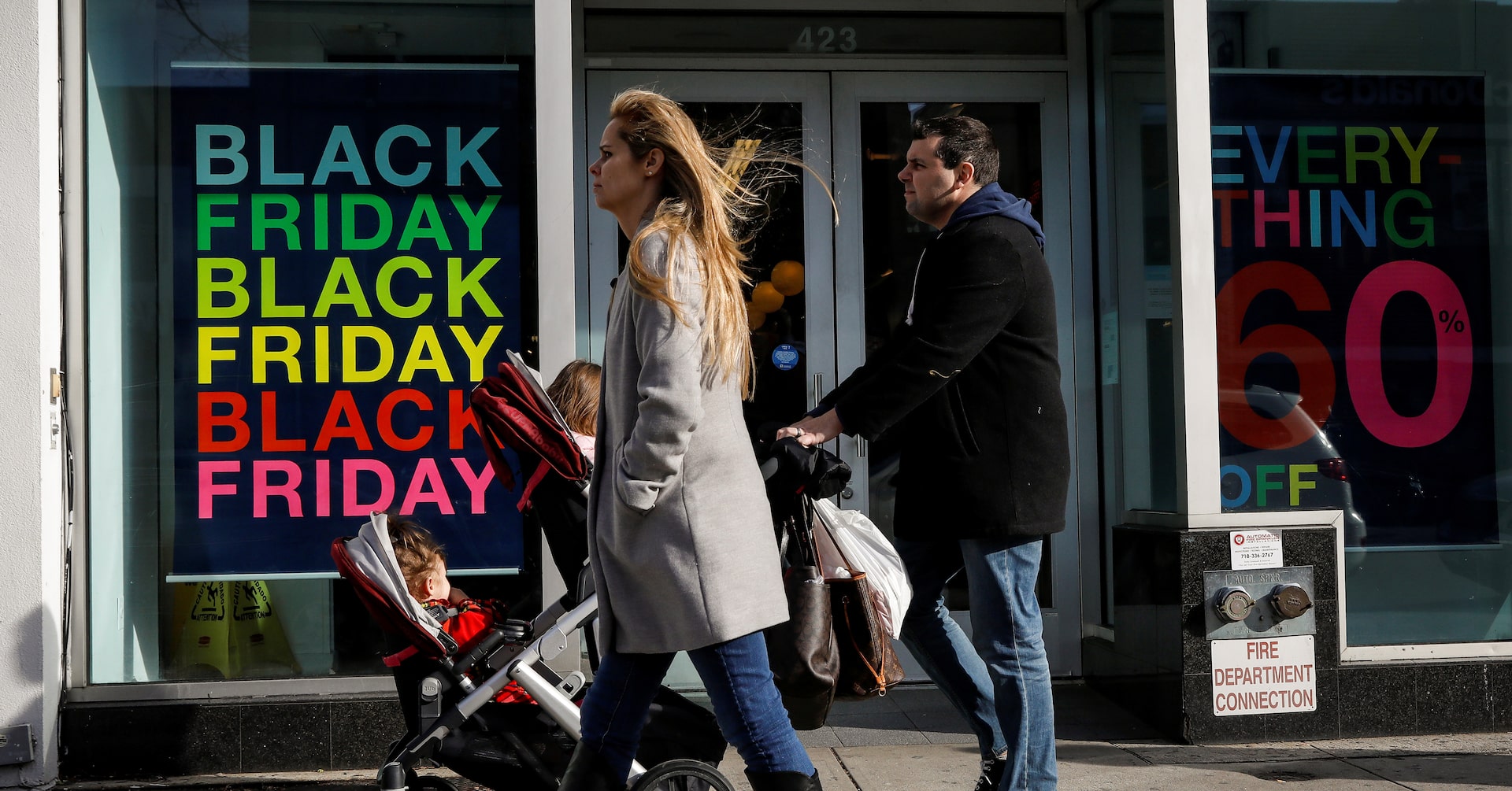
The U.S. holiday shopping season is anticipated to experience a moderated growth in sales this year, according to a recent forecast by Mastercard. The Mastercard Economics Institute projects a 3.6% increase in retail sales from November 1 to December 24, a decline from the 4.1% growth recorded during the same period last year. This slowdown is attributed to consumers prioritizing discounts and promotions in response to persistent inflation and broader macroeconomic uncertainties. The report highlights that the Trump administration’s fluctuating trade policies have escalated the costs of goods, further dampening consumer demand. Additionally, the shortened interval between Thanksgiving and Christmas this year, coupled with the early rollout of promotions, is expected to bolster online sales at the onset of December. Michelle Meyer, Chief Economist at Mastercard Economics Institute, emphasized that while the total spending may not differ significantly from last year, the composition of spending will shift, with pricing becoming a more critical factor due to the impact of tariffs. Online sales are forecasted to rise by 7.9%, a slight decrease from the 8.6% growth observed last year, while in-store sales are projected to grow by 2.3%, down from 2.8% in the 2024 holiday season. Mastercard’s forecast, derived from SpendingPulse insights, which track in-store and online retail sales across all payment methods excluding automotive sales, aligns with recent subdued projections from Salesforce and mixed forecasts from major retailers. Target and Best Buy have maintained their annual forecasts, whereas Walmart and Macy’s have raised theirs. Conversely, toymaker Mattel has reduced its forecast. As retailers navigate these challenges, the holiday shopping season remains a pivotal driver of annual sales, albeit under more constrained economic conditions.