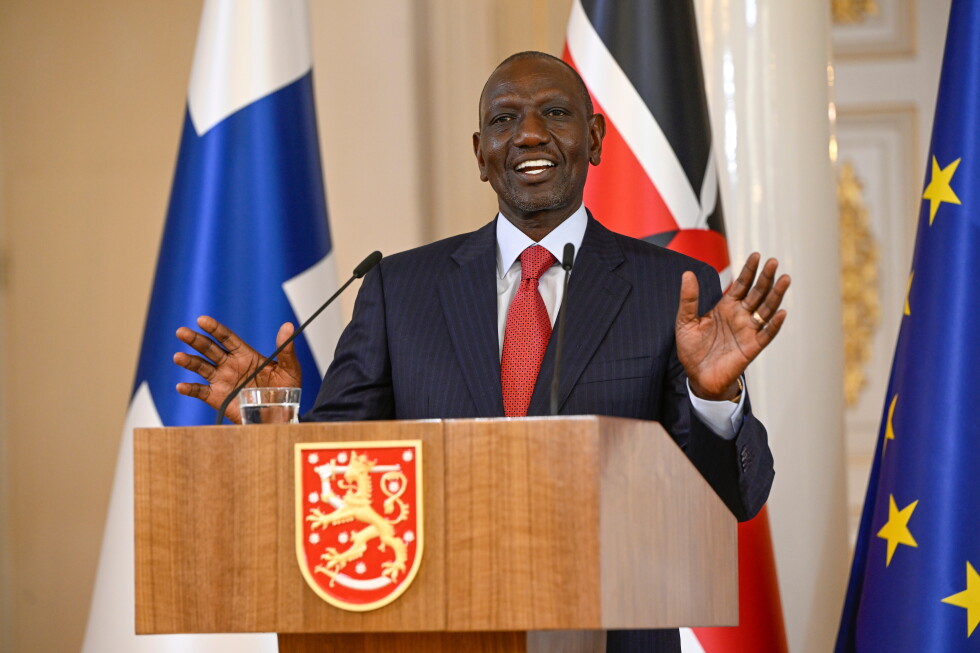
In a groundbreaking move that marks one of the few nationwide extra-judicial reparation initiatives in modern African history, Kenyan President William Ruto announced Monday that the East African nation will distribute $15 million in compensation to nearly 2,000 people harmed by human rights violations connected to widespread recent protests.
Kenya has faced repeated waves of civil unrest in recent years, leaving a devastating legacy of loss across the country. Violent demonstrations have killed and injured hundreds of civilians, destroyed countless livelihoods and left widespread property damage in their wake. The most high-profile recent incident saw three people killed and dozens wounded during two separate protests opposing a new Ebola quarantine facility built for American travelers. The deadliest unrest, however, unfolded in back-to-back years in June 2024 and June 2025, when annual anti-government demonstrations over tax hikes left dozens dead, hundreds injured, and millions of dollars in destroyed property. Kenyan officials have long claimed these protests were infiltrated by rogue criminal elements that incited the widespread violence.
Following a rigorous vetting process conducted by Kenya’s state-funded National Commission on Human Rights, the first compensation payments are scheduled to begin disbursing to eligible victims as early as next week. Speaking at the official launch of the national Reparations Framework Report, President Ruto emphasized that the program carries a clear symbolic meaning beyond its financial value: it represents an official state acknowledgment that harm was done to innocent people, though he stressed it is not a formal legal admission of government guilt.
Ruto further clarified that the compensation program was never intended to put a monetary value on the irreplaceable loss of life, personal suffering, or property destroyed by the unrest. He also pushed back against critics who argue the initiative rewards unrest, noting that in a country where violent political protest has become common, reparations are a necessary step toward national healing. “A nation heals by tending to its wounds rather than pretending they do not exist,” Ruto told attendees at the launch event.
Claris Ogangah, the chair of Kenya’s National Commission on Human Rights, echoed the president’s framing of the program as a critical step toward unifying the country. She noted that the report underlying the reparations effort centers the human experiences behind the official casualty statistics, bringing long-unseen suffering from individual victims, their families and affected communities into public view. “By giving voice to these experiences, the report contributes to a national process of healing founded on truth, recognition, and remembrance,” Ogangah said, adding that the compensation payments will be a tangible contribution to mending the deep divisions left by years of protest-related violence.