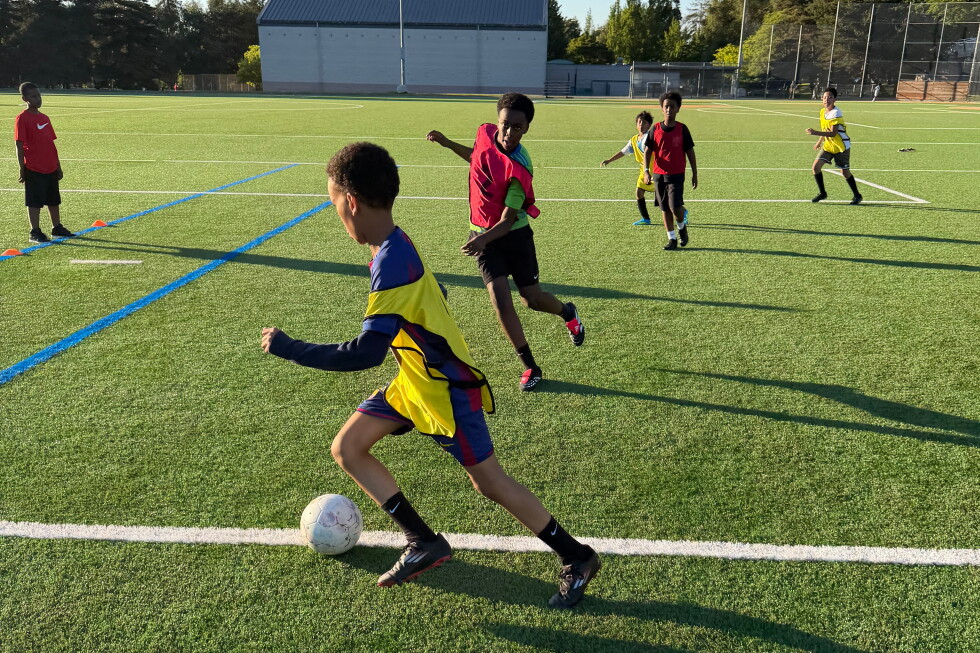
SEATTLE – For Ali Abdulla, the news that his youth soccer nonprofit would secure 20 complimentary tickets to a 2026 FIFA World Cup round of 16 match in Seattle felt like a once-in-a-lifetime gift. Most of the young athletes in his African Youth Sports Academy (AYSA) come from low-income immigrant households, with average tickets for the high-stakes match fetching close to $1,000 apiece – a price far out of reach for nearly all of the families the organization serves. Abdulla, a former semi-professional soccer player and Somali refugee, called the windfall the best news he had received in years.
The tickets were part of a 1,400-ticket community access program run by Seattle Mayor Katie Wilson’s office and the local FIFA World Cup organizing committee. Abdulla had even helped promote the initiative, appearing in a social media campaign alongside a group of his academy’s young players, and the organization had already planned an intra-academy tournament to select 13 to 16-year-old players and their parent chaperones to attend the match. Everything seemed to be falling into place for a historic experience the kids would never forget.
That changed abruptly when the U.S. government barred Omar Artan from entering the country. Artan, who had already traveled to Miami for the tournament, was set to become the first Somali referee in history to officiate a FIFA World Cup match – a landmark milestone not just for Somalia, but for Somali communities across the globe. After the entry ban, FIFA removed Artan from its roster of tournament officials.
The news hit Seattle’s Somali community hard. Abdulla, who had been tapped to serve as a volunteer FIFA fan ambassador for the tournament, initially planned to resign from his ambassador role in solidarity. But when he shared his idea with AYSA’s parents and volunteer coaches, they proposed a bolder, more meaningful act of protest: give up the World Cup tickets entirely.
“They all sent a message saying, ‘We feel heartbroken, we feel betrayed,’” Abdulla told The Associated Press in an interview on June 12. “We don’t feel right to go celebrate while the only person in the history of our country (selected to referee the World Cup) is feeling pain and disappointed.”
Abdulla said he was deeply moved by the collective call to stand with Artan. “I felt so emotional when the parents said that, because to return a one-time opportunity for solidarity with our boy — that made me very proud to lead this organization,” he added. Even the young athletes who were in line to attend the match understood the importance of the decision. “The kids are very sad, man, very heartbroken,” Abdulla said. “We have to teach them to stand up for the right thing.”
City officials confirmed the tickets have been reallocated to another local community organization, declining further comment on AYSA’s decision. Hana Tadesse, a spokesperson for the local World Cup organizing committee, said the tickets were transferred to the Somali Health Board, another Seattle group that runs youth soccer programming. The Somali Health Board did not respond to requests for comment on Friday. The Seattle Times was first to report AYSA’s decision.
Abdulla, who works full-time as a transit security officer for Seattle’s light rail system and retired from semi-pro play with the Seattle Somali Stars in 2017, has stepped away from all of his World Cup-related volunteer roles. He says he will not even watch the tournament matches on television, and is instead turning his focus to another major community sporting event: the 28th annual Somali Week tournament, which he organizes after years of playing and coaching in the event. This August, Somali Week will bring teams from Canada, the United Kingdom, Minneapolis and other North American and European cities to Kent, a suburb of Seattle.
For Abdulla, the annual tournament embodies the unifying power of soccer that FIFA’s World Cup has failed to deliver for his community this year. The event draws hundreds of players of African heritage and beyond, he said, standing as a testament to what soccer can be when it lifts up marginalized communities rather than leaving them behind.