NAIROBI, KENYA – The ongoing conflict in Iran has triggered a sharp upward swing in global jet fuel prices, amplifying existing supply chain pressures across African aviation and pushing regional carriers to re-evaluate their route networks. The crisis has laid bare a dangerous overreliance on imported refined jet fuel that leaves the continent’s airlines exposed to sudden global market shocks, according to the African Airlines Association (AFRAA).
Long before the outbreak of the Iran war, African carriers already faced a steep cost disadvantage: AFRAA data shows they paid roughly 17% more for jet fuel than the global average. This new wave of price hikes has squeezed already razor-thin profit margins across the entire sector, putting significant strain on carrier balance sheets.
“The impact is dire, a major shock for all our members,” AFRAA Secretary-General Abderahmane Berthe told the Associated Press in an interview. “Fuel makes up between 30% and 40% of an airline’s total operating costs. Any price increase hits their bottom line immediately.”
The entire global aviation industry has turned its attention to the Strait of Hormuz, the critical global energy chokepoint that carried roughly one-fifth of the world’s total oil and refined fuel shipments before Iran effectively closed the waterway to commercial shipping when the war began in February. For African airlines, the fallout from this closure is far more severe than for carriers in other regions, due to longstanding structural weaknesses: higher baseline procurement costs and far smaller financial buffers to absorb unexpected market shocks.
Berthe explained that while some airlines have introduced limited fuel surcharges to offset costs, most cannot pass the full brunt of price increases on to passengers for fear of crashing travel demand. Instead, they are forced to absorb the extra costs directly, eating into already limited profits.
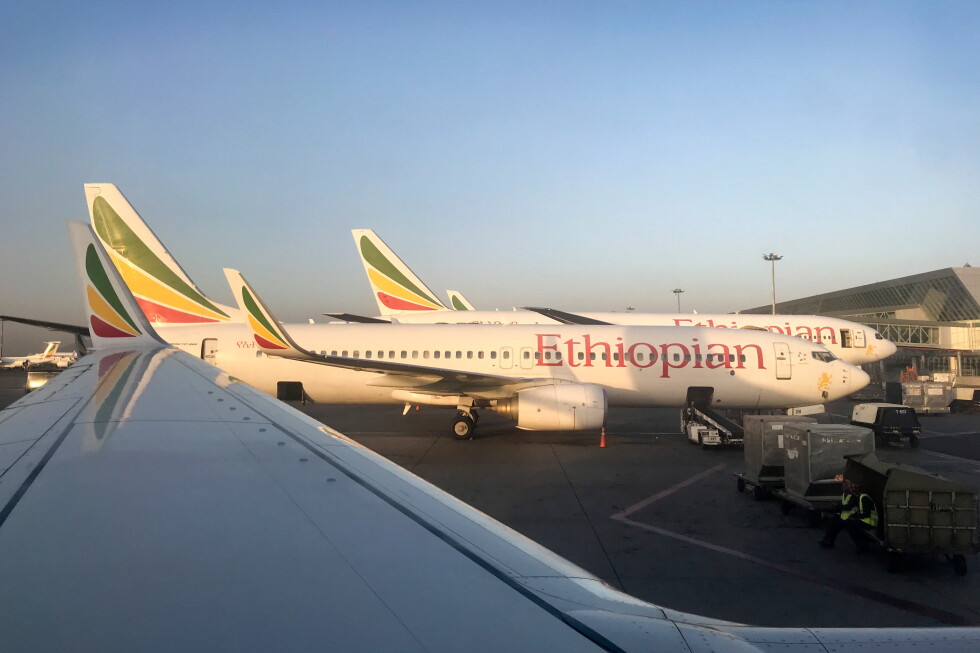
Supply disruptions have also sparked urgent concern at key African aviation hubs, including Nairobi in Kenya and Addis Ababa in Ethiopia, where consistent, reliable jet fuel access is non-negotiable for both regional and long-haul international operations. To adapt, a number of carriers have already begun restructuring their route networks: cutting flight frequencies, pausing service on low-demand routes, and reworking their entire schedules to mitigate rising costs and fuel supply uncertainty.
The ongoing crisis has reignited longstanding calls for African nations to invest in expanding domestic petroleum refining capacity, to cut the continent’s heavy dependence on imported refined jet fuel. “We need African solutions to African problems,” Berthe emphasized. “Many African countries are major crude oil producers, yet we still rely entirely on non-African suppliers for the refined jet fuel our aviation sector needs to operate.”
Attention is increasingly shifting to large-scale regional projects already in operation that could ease this dependency, most notably Nigeria’s giant Dangote Refinery. The facility is projected to become a major supplier of refined fuel across the continent, including to key aviation hubs in Kenya, Ethiopia, and South Africa. Already, major hubs like Addis Ababa have begun sourcing fuel from Dangote to stabilize supplies, a shift that Berthe says is already helping ease pressure on regional fuel supply chains amid the current crisis.
Even amid these mounting pressures, demand for air travel across Africa remains robust. AFRAA projects annual passenger growth of roughly 6% for African carriers in coming years, a growth rate that outpaces many mature global aviation markets. Still, Berthe warned that prolonged market shocks from the Iran war could cause lasting damage to both airline profitability and cross-continental connectivity.
“If this crisis drags on, the impact on African airlines will be very severe,” he said. “If Africa wants a truly resilient, sustainable aviation sector, it must secure its own fuel future.”