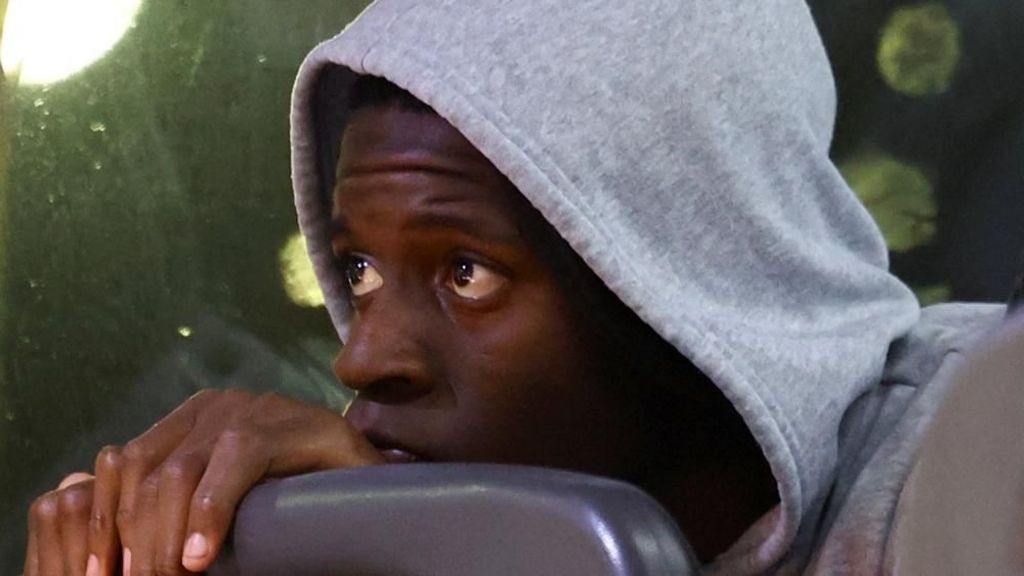
A wave of mounting anti-migrant hostility across South Africa has pushed multiple African nations to organize emergency repatriations of their citizens, leaving thousands of migrant households living in constant fear of xenophobic attacks.
Nigeria is the most recent country to launch this evacuation effort. The first charter flight carrying 268 Nigerian nationals departed Johannesburg’s OR Tambo International Airport early Thursday and touched down safely in Lagos, Nigeria’s commercial hub. This flight is the first of planned operations to bring home roughly 1,000 Nigerians who have registered with the Nigerian consulate in South Africa to request repatriation. Neighboring states including Ghana, Zimbabwe and Malawi have already completed similar evacuation flights ahead of a controversial 30 June deadline set by anti-migrant campaigners for all undocumented migrants to leave the country.
The roots of the current crisis stretch back to 1994, when the end of apartheid-era white-minority rule opened South Africa’s borders to thousands of economic migrants from across the continent, who arrived seeking greater economic opportunity and a higher quality of life. But decades of stagnant growth have left South Africa grappling with an official unemployment rate that exceeds 32%, creating fertile ground for resentment toward foreign-born workers. In recent months, anti-migrant protests have swept through major urban centers, and targeted xenophobic assaults have left multiple migrants dead, forcing many to flee their homes and communities.
One Nigerian repatriate, Justin, who had lived in South Africa for 26 years after moving there in 1998, described the constant fear that drove his decision to leave. “I’m leaving because of the conditions they’ve given us here. They say we must leave on or before 30th June. And because of the way they are killing people, killing our brothers, so I’m not safe,” he told reporters at Johannesburg’s main airport. Justin shared that he had already survived one attack, escaping a violent assault on a public taxi by fleeing without his phone or personal belongings. “They call us names and say you must leave this country. When we tried to beg them, they started insulting us,” he added.
Authorities have yet to release an official death toll for recent xenophobic violence. South African police have confirmed that two Mozambican men were killed in the Western Cape province earlier this month, but have not publicly linked the killings to xenophobic motives. Mozambican officials, however, have pushed back on this account, asserting that the number of fatalities among their citizens is far higher, and that all deaths are directly tied to anti-migrant hostility.
Anti-migrant protesters have centered their rhetoric on the claim that migrants are responsible for South Africa’s crippling unemployment and strained public services, from public schools to public hospitals. But Nigeria’s Consul General in South Africa, Ninikanwa Okey-Uche, rejected this narrative, arguing that migrants are being unfairly scapegoated for systemic government failures. “Migrants made up less than 10% of South Africa’s population, and could not be blamed for broken systems in education, health care, policing, unemployment,” she told the BBC. “They are not and cannot be the problem. So, migrants are basically being scapegoated.”
Okey-Uche also noted that while all of the repatriated Nigerians were classified as undocumented by South African authorities, delays and backlogs in South Africa’s immigration application process have left many migrants without legal status through no fault of their own. She added that South African officials have failed to take meaningful action to crack down on organizers of xenophobic violence, even though many of these leaders are well known to law enforcement. “There are a lot of top South African politicians who have spoken up against what’s happening, saying it’s absolutely wrong. But down on the street, we need to see arrests. We know the people in charge, they’re not hiding. They’ve caused mayhem in people’s lives, but they’re walking free, some of them are running for election,” Okey-Uche said.
The rising tensions come as South Africa prepares for nationwide local government elections in November, and many political analysts have observed that opportunistic politicians have elevated migration to a divisive wedge issue to mobilize voters. Last week, South African President Cyril Ramaphosa addressed the unrest in a national televised speech, announcing a new package of policy measures targeting undocumented migration. The new rules include criminal penalties for employers that hire undocumented workers, the creation of special dedicated courts to speed up deportation proceedings, and the development of a national biometric identity database intended to reduce identity theft. Even as he cracked down on unauthorized migration, Ramaphosa warned South Africans against vigilante violence, urging citizens not to take the law into their own hands by targeting people suspected of being in the country illegally.
As the 30 June campaign deadline approaches, more African countries are expected to organize additional repatriation flights to extract their vulnerable citizens from the escalating violence, while the South African government faces growing international pressure to rein in xenophobic attacks and protect migrant communities within its borders.