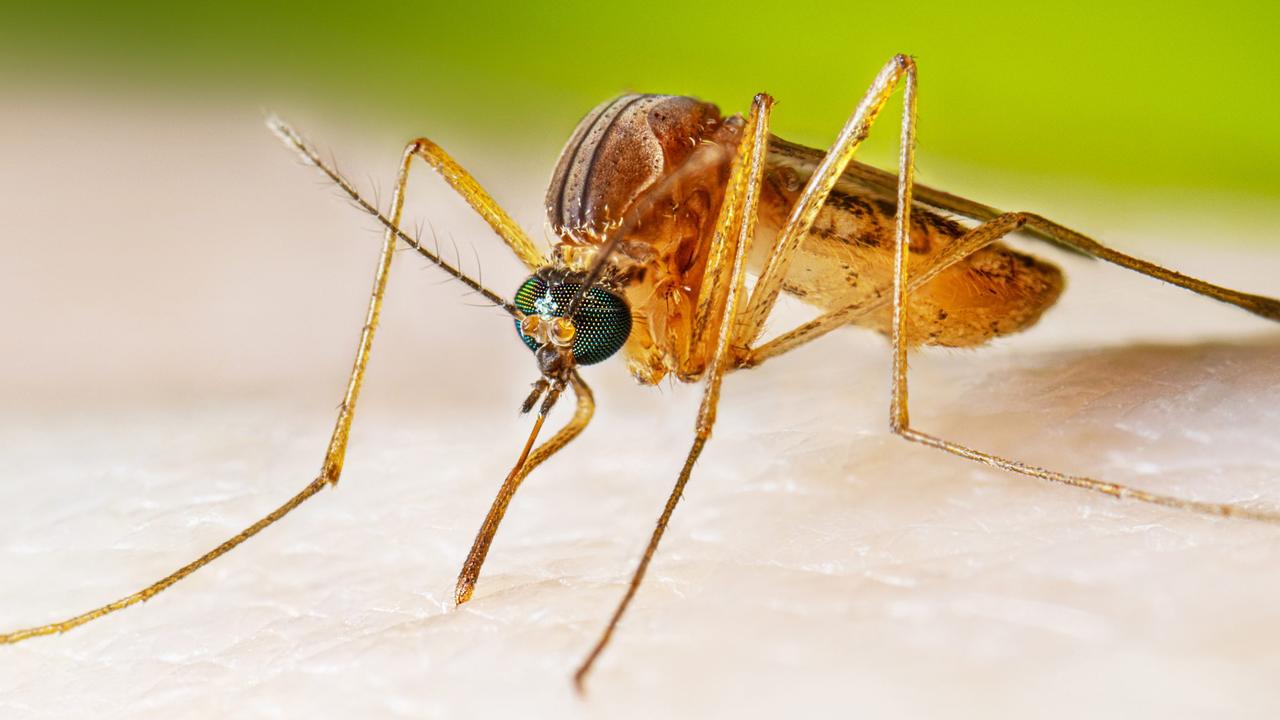
A fatal case of Murray Valley encephalitis (MVE), a dangerous mosquito-borne virus with no available vaccine or targeted cure, has prompted state and national health authorities in Australia to issue an urgent public alert for the Kimberley and Pilbara regions of Western Australia. The victim, identified as an out-of-region traveller, is believed to have contracted the virus from an infected mosquito while visiting the West Kimberley area, according to confirmation from WA Health.
Through ongoing routine surveillance monitoring, public health teams have detected active MVE virus circulation across both the Kimberley and Pilbara regions. Managed by the Australian Centre for Disease Control, the virus is classified as a rare but aggressive infection that targets the brain and spinal cord, with mortality rates as high as one in three among patients who develop symptomatic encephalitis. For those who survive the initial infection, nearly half face permanent long-term neurological damage that impacts quality of life permanently.
“There is no vaccine to prevent MVE, and there is no specific treatment available to address the infection once it takes hold,” the Australian Centre for Disease Control noted in its public guidance, adding that while outbreaks of the disease are rare, every recorded event carries severe public health risk.
Andrew Jardine, managing scientist for the WA Department of Health, emphasized that the current seasonal window puts local communities and visitors at elevated risk. “The wet season in northern Western Australia, and the period immediately following it, brings the highest level of mosquito-borne virus activity, and this elevated risk can extend all the way into July,” Jardine explained. He added that the only effective protective measure against infection is to avoid bites from infected mosquitoes, urging anyone in the high-risk regions to take consistent precautions.
Health officials have outlined clear early symptoms of MVE to help residents and visitors seek care quickly, including severe headache, slurred or confused speech, fever, drowsiness, stiff neck, nausea, and dizziness. In more advanced cases, the infection can trigger seizures, coma, permanent brain damage, and death. For young children, fever may be the only visible early sign of infection, so parents and caregivers are advised to monitor closely for any unexplained high temperature after potential mosquito exposure. Anyone experiencing matching symptoms is urged to contact a medical provider immediately for assessment.
To reduce bite risk, authorities recommend a multi-layered approach: using registered insect repellent consistently, wearing long, loose-fitting, light-colored clothing that covers arms and legs, fitting mosquito netting over infant prams, maintaining short grass and vegetation around residential properties to reduce mosquito breeding and resting spots, and emptying or removing any outdoor containers that hold standing water, which are common breeding grounds for mosquitoes.