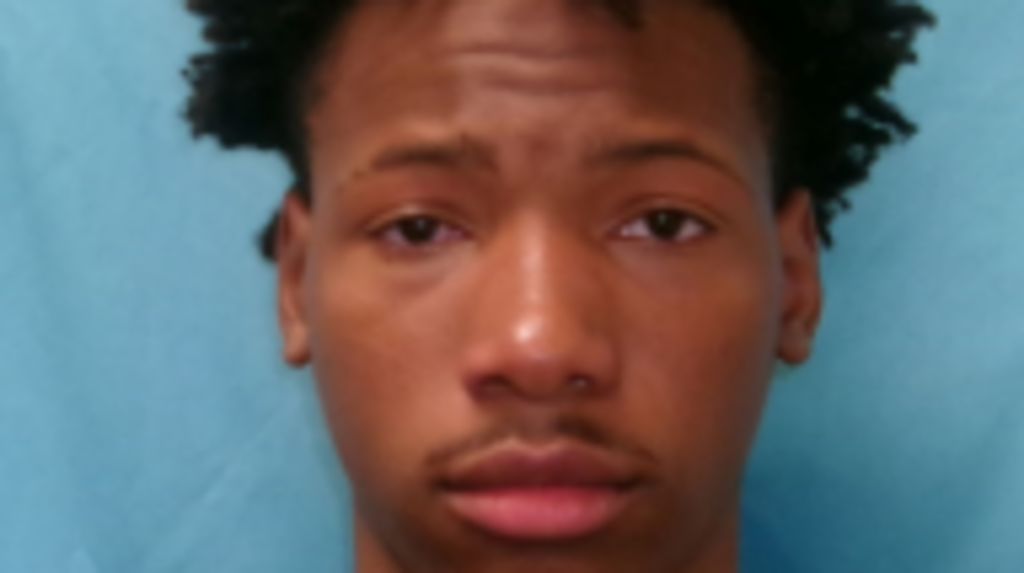
A teenage defendant from North Texas has been found guilty of murder following a racially charged trial that gripped national attention over questions of school safety and self-defense. Nineteen-year-old Karmelo Anthony was convicted by a Collin County jury on Tuesday for the 2025 fatal stabbing of 17-year-old Austin Metcalf at a Frisco high school athletics event, when both teenagers were 17 years old. He was ultimately sentenced to 35 years behind bars.
Under Texas state law, minors as young as 17 can be charged and tried as adults for felony homicide offenses, a statute that allowed the case to proceed in adult criminal court. Prosecutors built their case over the course of the trial with testimony from nearly 24 witnesses, relying heavily on firsthand accounts from student witnesses who were present at the scene. The most harrowing testimony came from Collin County Chief Medical Examiner Dr. Elizabeth Ventura, who detailed the fatal injury: a large, deep chest wound that penetrated Metcalf’s heart, causing immediate death. Multiple student witnesses for the prosecution uniformly identified Anthony as the initial aggressor in the confrontation that led to the killing.
In contrast, the defense team mounted a self-defense argument, painting Anthony as a high-achieving student with no prior violent history who acted only to protect himself during the altercation. Defense witnesses highlighted Anthony’s academic standing — he held a perfect 4.0 GPA — and his standing in the school’s track and field program, where he had been nominated for team captain by his coach, Adam Linwood.
After less than three hours of deliberation, the jury returned a guilty verdict, rejecting the option of a lesser manslaughter conviction that would have carried a maximum 20-year prison sentence, an alternative that had been explicitly offered to jurors by Judge Roach. The case has drawn ongoing controversy over racial dynamics in the Texas criminal justice system: the civil rights group Next Generation Action Network, which organized advocacy on behalf of Anthony, pointed out that not a single member of the trial jury was Black, raising questions about impartiality in the verdict. The killing, which occurred on a public high school campus during a school-sponsored event, has also reignited national conversations about youth violence and gaps in safety protocols at U.S. secondary schools.