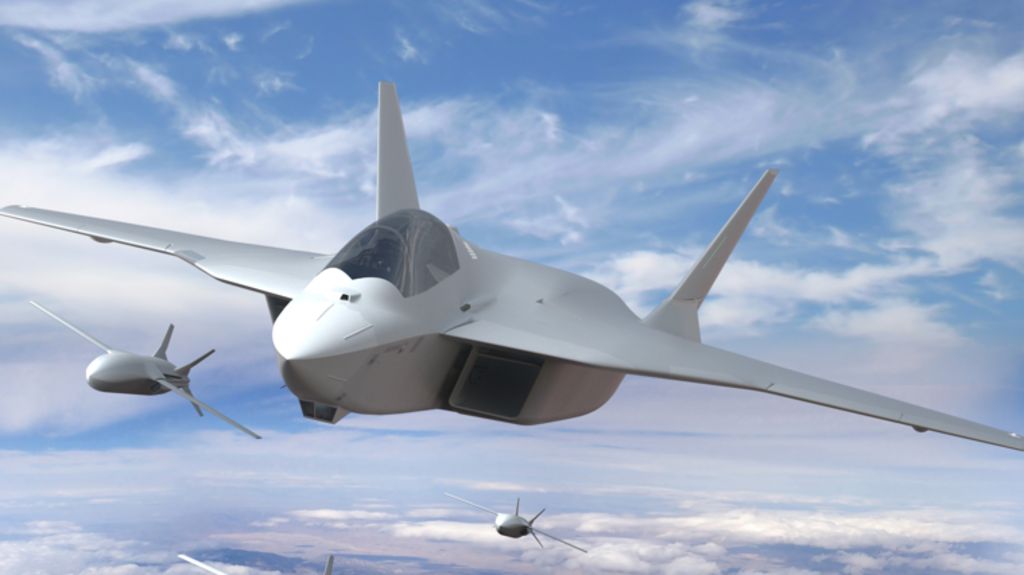
Europe’s high-profile ambition to build a homegrown next-generation fighter jet as a cornerstone of independent collective defence has collapsed after Germany formally pulled out of the flagship joint programme with France, throwing into doubt the future of European military cooperation at a moment of heightened geopolitical tension.
Once hailed as a landmark demonstration of Europe’s ability to pursue unified strategic action and reduce dependence on uncertain outside allies, the next-generation fighter component of the wider Future Combat Air System (FCAS) initiative has instead become a stark symbol of intractable Franco-German discord. The termination of the project comes as transatlantic relations remain strained, and Russia continues its full-scale military aggression against Ukraine, creating a geopolitical context that makes the breakdown of the partnership particularly consequential for European security.
First conceived in 2017 during the joint leadership of former German Chancellor Angela Merkel and newly elected French President Emmanuel Macron, the FCAS programme was designed from its inception to reset Franco-German relations, pool limited European defence budgets, and advance the goal of a sovereign European defence posture. At the programme’s launch, Macron framed the effort as a peaceful, carefully planned revolution for European security, a vision aligned with his longstanding push for European strategic autonomy to reduce reliance on potentially unreliable international partners.
The broader FCAS initiative includes multiple interconnected components, from advanced jet engines and next-generation sensor systems to a shared digital “combat cloud” intelligence network, but the manned next-generation fighter jet always remained the programme’s centrepiece. Spain joined the partnership after its founding, with Germany’s defence interests represented by aerospace giant Airbus, while France’s defence sector was led by iconic aircraft manufacturer Dassault Aviation.
According to German officials, core non-fighter elements of the FCAS programme will continue forward, though details of what that ongoing collaboration will look like remain unclear. What is well-documented, however, is the steady escalation of disagreements that ultimately sank the fighter jet project: rifts emerged over leadership of the programme, the distribution of development work, and fundamental differing design requirements between the two nations.
Prominent German defence analyst Nico Lange has pinned the primary responsibility for the collapse on Dassault Aviation, noting that the French firm pushed aggressively for a leading role that German industry was unwilling to cede. “FCAS is not synonymous with European defence… there will be many other good projects,” Lange noted in a post on social media platform X. Dassault Aviation has not yet issued a public comment on the termination.
Beyond industrial disputes, there were deep mismatches in what each country needed from the new jet. Royal United Services Institute (Rusi) air power analyst Christoph Bergs explained that France sought a small, lightweight aircraft capable of operating from the country’s Charles de Gaulle aircraft carrier, while Germany prioritized a larger jet built to establish dominant air superiority.
Shifts in Germany’s defence policy also changed the negotiating dynamic significantly. Following Russia’s 2022 full-scale invasion of Ukraine and years of pressure from former U.S. President Donald Trump for European nations to increase their own defence spending, Germany made a dramatic U-turn from its decades-long posture of relatively restrained defence investment, approving a massive 100 billion euro special defence fund. This increase in domestic resources left German industry far less willing to make concessions that it viewed as misaligned with its national interests, Bergs explained.
By early 2025, the head of Germany’s ruling Christian Democratic Union, Chancellor Friedrich Merz, had become an open critic of the programme, publicly questioning whether a costly manned fighter jet would even be necessary 20 years from now amid rapid advances in uncrewed aerial technology. A summit meeting between Merz and Macron last week proved to be the final turning point: Merz proposed ending work on the fighter jet component, and the two leaders reached a shared conclusion that the involved industrial partners could not bridge their differences.
Germany publicly announced the decision on Monday, while the Élysée Palace’s subsequent statement conveyed clear disappointment. “The leaders expressed regret that the industries involved hadn’t been able to make it work,” the statement read. The French presidency added that Paris remains committed to Franco-German defence and security cooperation, framing it as essential for both nations and their European partners.
While Bergs described the timing of the collapse as deeply inopportune against the backdrop of ongoing war in Europe and tense transatlantic relations, he also noted that the termination creates an opening for participating nations to reassess their defence priorities in light of rapid technological advances that have reshaped air power since the programme was first launched in 2017.