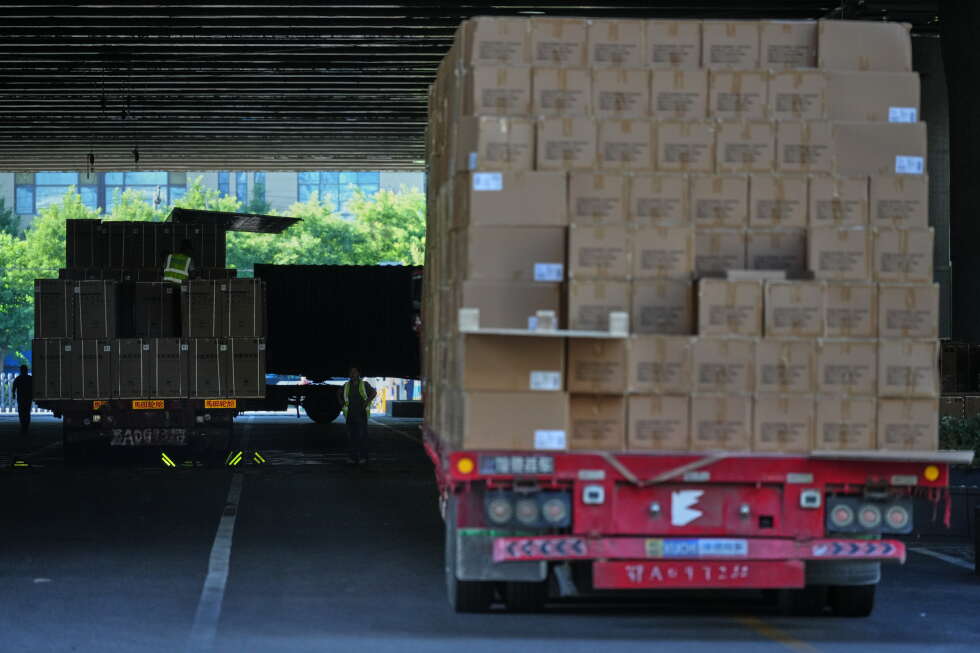
HONG KONG – New data released Tuesday by China’s General Administration of Customs reveals that the country’s export growth accelerated notably in May, defying widespread market expectations that were weighed down by ongoing geopolitical disruptions linked to the Iran conflict. The latest figures put year-on-year export expansion at 19.4%, a solid jump from the 14.1% growth recorded in April, marking a third consecutive month of improving export momentum.
Analysts point to several key drivers behind the stronger-than-forecast performance. Even amid global supply chain jitters and heightened Middle Eastern tensions, demand for China’s high-value goods has held firm. Passenger vehicle exports have surged in recent months, fueled by growing international demand for Chinese-made electric vehicles, while technology and AI-related products—most notably advanced semiconductors and semiconductor manufacturing equipment—have emerged as consistent top contributors to outbound shipments, propping up overall export volumes.
Import growth also picked up speed last month, climbing 27.4% year-on-year, up from April’s 25.3% expansion. The acceleration in inbound goods points to steady recovery in domestic Chinese demand, as manufacturers increase imports of raw materials and intermediate components to meet strong export orders, and consumer demand for imported goods continues to gradually rebound following earlier economic slowdowns.
Against this overall positive trade performance, one key downward trend persists: bilateral trade between China and the United States has continued to contract, extending a slump that began shortly after U.S. President Donald Trump returned to office last year. Immediately upon taking office, Trump implemented steep, broad-based tariffs on Chinese imports and applied similar trade measures to other major U.S. trading partners, upending long-standing bilateral trade flows.
Cumulative data for the first five months of 2025 underscores the contraction: Chinese exports to the U.S. fell 2.7% compared with the same period a year earlier, while Chinese imports of U.S.-origin goods dropped by an even sharper 5.5%. Trade experts note that the ongoing tariff regime continues to create persistent uncertainty for cross-border businesses, leading many importers and exporters on both sides to diversify their supply chains and shift orders to alternative markets, a restructuring that is likely to keep bilateral trade volumes depressed in the coming quarters.
Overall, the May trade data paints a mixed picture for China’s external sector: the country’s export base has proven more resilient than many analysts predicted, even amid global geopolitical instability, but long-term trade headwinds from U.S. trade policy remain a major downside risk for the remainder of the year.