The global airline industry is facing unprecedented financial pressure in 2026, with the International Air Transport Association (IATA) issuing a stark warning that per-passenger profits for Asia-Pacific carriers could plummet by as much as 35.9% this year, driven by skyrocketing jet fuel prices and depreciating regional currencies against the U.S. dollar.
In its latest analysis released overnight Australian time from IATA’s annual general meeting held in Rio de Janeiro, Brazil, the industry trade group projects that average profit per passenger across the Asia-Pacific region will fall from US$5.30 recorded in 2025 to just US$3.40 in 2026. The net profit margin for regional carriers is also expected to slump by 40% year-over-year. Globally, the downturn is equally severe: IATA forecasts total industry profits will halve from US$45 billion in 2025 to US$23 billion in 2026, with overall margins shrinking from 4.2% to 2%.
“It is a tough year for all airlines, but especially for those whose balance sheets have not yet recovered from Covid-19,” IATA Director General Willie Walsh told attendees on Sunday local time. Walsh emphasized that even the reduced projected profit figure demonstrates a degree of industry resilience, but warned the slim margin leaves almost no room for unexpected cost increases. “It won’t even buy you a hot dog at most of the FIFA World Cup venues, and it does not leave much of a buffer, should other costs or taxes start rising,” he said.
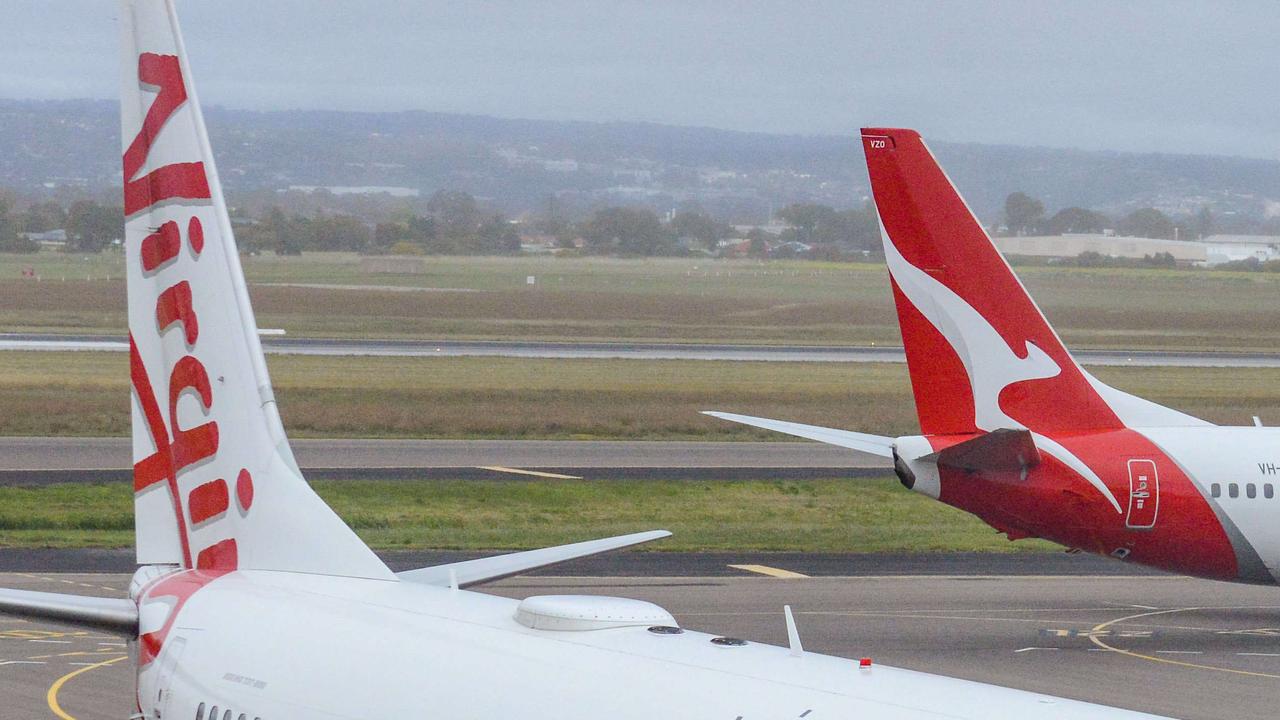
The root of the current crisis traces back to escalating conflict-related disruptions in the Middle East, which have pushed global jet fuel prices up 70% year-to-date. By mid-April 2026, regional jet fuel prices had climbed to 125% above pre-conflict levels, prompting major Australian carriers Qantas and Virgin Australia to take immediate defensive action: both have raised ticket prices and cut flight capacity to offset rising energy costs.
Australia’s flag carrier Qantas confirmed to the Australian Securities Exchange (ASX) in mid-April that it had restructured its route network, cutting domestic flight capacity by 5% and reallocating aircraft from U.S. and domestic services to meet strong demand for travel to Europe. The shift comes as both airlines and passengers avoid travel through the volatile Middle East. So far in 2026, Qantas’ share price has fallen 11.5%, though it has staged an 8.6% rebound over the past 30 days.
Virgin Australia similarly announced mid-April that it had implemented fare hikes and capacity cuts after jet fuel costs doubled between March and April 2026. The carrier noted that its fuel suppliers have guaranteed near-term supply to support operations through to May 2026. Virgin’s share price has dropped 25.4% year-to-date, matching Qantas’ recent rebound trend with a 14.5% gain over the past month. Both major Australian airlines declined to provide additional comment beyond their existing public disclosures when contacted by NewsWire.
IATA notes that the Asia-Pacific region faces amplified pressure compared to other global markets, due to its heavy reliance on crude oil imports from the Persian Gulf, which has strained regional refinery operations. Further cost increases have been driven by the depreciation of multiple Asian currencies against the U.S. dollar, since jet fuel and other major aviation expenses are dollar-denominated, pushing up local currency costs for carriers. Walsh did acknowledge one small bright spot for some regional operators: “Some Asia-Pacific carriers are benefiting from shifting traffic flows linked to the Middle East conflict, particularly on Europe-Asia routes.”
To mitigate near-term supply risks for Australian airlines, the Australian government secured a 100 million-litre jet fuel shipment from China last month that is scheduled to arrive in early June.